A City Shaken — But Not Broken
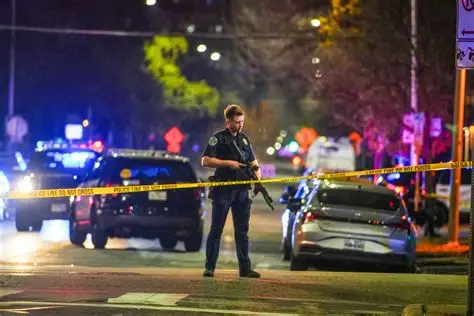
Moments of tragedy can arrive suddenly, disrupting ordinary life and leaving communities searching for understanding, healing, and strength. The Austin shooting has deeply impacted residents, families, and neighbors across Austin, reminding everyone how fragile everyday safety can feel in an instant.
But even in the shadow of fear, something powerful emerges — unity.
Communities do not simply endure tragedy. They respond. They connect. They rebuild. And in the face of pain, they often reveal extraordinary resilience.
This is the story not just of shock and loss — but of strength, compassion, and the human capacity to stand together when it matters most.
The Emotional Impact of Sudden Violence
When violence disrupts a peaceful community, the emotional ripple spreads far beyond the immediate scene. Fear, grief, confusion, and concern touch people who may never have met one another — yet suddenly feel connected through shared experience.
Residents across neighborhoods pause, reflect, and look inward. Parents hold their children closer. Friends check in with one another. Communities gather, seeking comfort in togetherness.
This emotional response is not weakness. It is humanity.
Shared grief creates shared awareness — and awareness creates the possibility for collective healing.
Community Response: Compassion in Action
In the aftermath of the Austin shooting, one of the most powerful responses has been the outpouring of support among residents. When crisis strikes, communities often reveal their deepest strengths — empathy, generosity, and unity.
People step forward in countless ways:
- Offering emotional support
- Organizing vigils and remembrance gatherings
- Providing assistance to affected families
- Supporting local safety initiatives
- Strengthening neighborhood connections
These acts may seem small individually, but together they form a powerful network of care — a living reminder that no one faces hardship alone.
Compassion becomes action.
And action becomes healing.
The Power of Collective Resilience
Resilience is not simply the ability to survive tragedy — it is the determination to grow stronger because of it.
Communities that face violence often respond with renewed commitment to safety, connection, and mutual support. Shared experience transforms awareness into motivation.
Residents begin to ask deeper questions:
- How can we protect one another?
- How can we strengthen our community bonds?
- How can we prevent future harm?
These questions lead to meaningful change.
History shows that many communities emerge from tragedy with stronger relationships, improved safety awareness, and deeper commitment to collective well-being.
Resilience is not passive recovery.
It is active transformation.
A City Known for Strength and Spirit
Austin has long been recognized as a vibrant, creative, and deeply connected city within Texas. Known for its cultural energy and community pride, the city’s identity is rooted in openness, creativity, and togetherness.
Moments of crisis test these values — but they also reveal them more clearly than ever.
In difficult times, communities rediscover what defines them. For Austin, that identity includes:
- Strong civic engagement
- Supportive neighborhoods
- Deep cultural connection
- Shared responsibility for community well-being
These qualities do not disappear during tragedy. They intensify.
Healing as a Collective Process
Healing does not happen instantly. It unfolds gradually, through conversation, support, and shared experience.
Communities heal when people come together — not only to mourn, but to rebuild trust, restore safety, and reaffirm connection.
Healing often includes:
- Public remembrance events
- Counseling and emotional support services
- Community dialogue
- Education and awareness initiatives
- Renewed focus on prevention
These steps do more than address immediate pain. They create lasting pathways toward recovery and growth.
The Role of Awareness and Prevention
One of the most meaningful outcomes of tragedy can be heightened awareness. Difficult events often inspire renewed focus on prevention, safety, and proactive community care.
Communities may respond by:
- Strengthening public safety programs
- Expanding mental health support
- Promoting conflict prevention strategies
- Enhancing emergency preparedness
- Encouraging responsible community engagement
Awareness empowers individuals and communities to take meaningful steps toward reducing risk and increasing protection.
Tragedy sparks awareness.
Awareness inspires action.
Action builds safer futures.
The Importance of Social Connection
One of the strongest protective forces any community possesses is connection. Social bonds create trust, communication, and shared responsibility.
After the Austin shooting, many residents rediscovered the importance of checking on neighbors, supporting local initiatives, and staying engaged in community life.
Connection creates resilience because people who feel supported are more likely to support others.
Communities become safer when individuals feel seen, heard, and valued.
National Reflection and Shared Concern
Events like the Austin shooting resonate beyond local borders. Across the United States, communities reflect on shared challenges related to safety, prevention, and social well-being.
National attention often leads to broader conversations about:
- Public safety strategies
- Community engagement
- Social responsibility
- Long-term prevention efforts
These conversations matter. They shape policy, awareness, and collective action.
Local tragedy can inspire national reflection — and national reflection can inspire meaningful change.
The Strength Found in Unity
Perhaps the most powerful outcome of community crisis is unity. When people come together in support, compassion replaces fear and connection replaces isolation.
Unity does not erase pain — but it transforms it.
Shared strength helps communities move forward with purpose, determination, and hope.
Unity reminds people that even in moments of darkness, collective care remains stronger than fear.
Looking Forward: Building a Safer Tomorrow
Every community that experiences tragedy faces a defining question:
How do we move forward?
The answer is rarely simple — but it often includes renewed commitment to safety, awareness, and compassion.
Moving forward may involve:
- Strengthening communication between residents and institutions
- Expanding community support systems
- Encouraging active civic engagement
- Promoting long-term safety planning
Forward movement does not mean forgetting.
It means learning, adapting, and growing.
Hope in the Midst of Difficulty
Hope is not the absence of hardship. It is the determination to believe in a better future despite hardship.
The response to the Austin shooting demonstrates something deeply powerful — that communities possess the ability to support one another, adapt to challenges, and rebuild with renewed purpose.
Hope appears in:
- People standing together
- Communities supporting victims
- Leaders working toward prevention
- Residents committing to collective care
Hope is not abstract.
It is visible in action.
A Community Moving Forward Together
The story of the Austin shooting is not defined solely by tragedy. It is also defined by response — by compassion, resilience, and unity.
Communities reveal their true character not when life is easy, but when life is difficult.
Austin’s response reflects strength, empathy, and determination to move forward together.
And that shared commitment creates something powerful:
A future shaped not by fear — but by connection, awareness, and hope.
Final Reflection: Strength Beyond the Moment
Tragedy changes communities. But it does not define them.
What defines a community is how it responds — how it supports, heals, and grows.
Austin continues to stand as an example of resilience — a city that faces difficulty with unity, compassion, and courage.
Moments of crisis remind us of life’s fragility.
But they also reveal humanity’s strength.