Hannah Montana 20th Anniversary: Cultural Phenomenon Returns
Twenty years ago, a blonde wig transformed television history. On March 24, 2026, the “Hannah Montana 20th Anniversary Special” premiered on Disney+, bringing Miley Cyrus back to the role that launched a generation-defining cultural phenomenon. This isn’t just nostalgia—it’s recognition of a show that predicted social media culture, launched a global superstar, and taught millions of young people about identity, authenticity, and the complexity of living multiple lives.
The upside of Hannah Montana’s legacy extends far beyond entertainment. It created a template for modern influencer culture. It launched the career of one of music’s most versatile artists. It provided a vocabulary for discussing identity and authenticity that remains relevant in today’s social media age. The “Hannahversary” celebrates not just a show, but a cultural shift that continues shaping how we think about fame, identity, and self-expression.
The Premiere That Reunited a Generation
The 20th anniversary special, hosted by “Call Her Daddy” podcaster Alex Cooper, delivered everything fans hoped for and more. Miley Cyrus performed “This Is the Life,” “The Climb,” and “The Best of Both Worlds” in front of a live studio audience, wearing a sparkling black dress and styling her hair in Hannah’s iconic blond bangs—no wig required . The special featured never-before-seen archival footage, recreations of the legendary Hannah Montana closet and Stewart family living room, and surprise appearances including Selena Gomez, who broke the news of her participation to Variety .
The emotional core came from family. Billy Ray Cyrus reunited with his daughter in a replica of the Stewart living room, recounting audition stories and healing recent estrangement . Tish Cyrus joined Miley for a heart-to-heart in Hannah’s futuristic bedroom closet, pulling out decades of saved outfits, fan letters, and scrapbooks . The special acknowledged both the joy and complexity of the experience, with Cyrus describing the show as “a shared experience that shaped my life and the lives of so many fans” .
For viewers, the special provided validation of their childhood attachment. The “Hannah Montana” catalog has amassed more than half a billion hours streamed globally on Disney+ . The 20th anniversary wasn’t just celebration—it was confirmation that this show mattered, that its impact was real, and that its lessons continue resonating with audiences who grew up with Miley Stewart’s double life.
The Influencer Culture Prophet
Hannah Montana premiered in 2006, before Instagram, before TikTok, before “influencer” entered common vocabulary. Yet the show’s central premise—maintaining a public persona while preserving private authenticity—perfectly predicted the challenges of modern social media culture. Miley Stewart’s struggle to balance her ordinary life with her superstar alter ego became a blueprint for how Generation Z would navigate their own online identities .
The upside of this prescience is cultural literacy. Hannah Montana taught young viewers about the performative nature of public life before they needed to manage their own digital personas. It explored identity curation, the pressure of maintaining multiple selves, and the search for authenticity within performance. These themes, handled with humor and heart, prepared a generation for the complexities of social media existence .
Critics have noted that the show “paved the way for the influencer culture that now dominates platforms like Instagram and TikTok” . The skills Miley Stewart developed—managing brand partnerships, maintaining fan relationships, transitioning between public and private modes—mirror those required of modern content creators. Hannah Montana wasn’t just entertainment; it was vocational training for the social media age.
The Miley Cyrus Launchpad
Perhaps no aspect of Hannah Montana’s legacy is more significant than its role in launching Miley Cyrus’s career. What began as a Disney Channel role transformed into global superstardom that has spanned nearly two decades. From Hannah Montana’s pop anthems to Bangerz’s provocative reinvention to Endless Summer Vacation’s mature artistry, Cyrus has demonstrated evolution that began with the foundation built on this show .
The upside is artistic longevity. Cyrus’s ability to transform while maintaining core authenticity reflects lessons learned from Hannah Montana’s double life. She learned to perform different versions of herself while preserving essential identity. She developed the work ethic required of entertainment professionals. She built the fan relationships that sustain careers across decades.
The anniversary special showcased this growth while honoring origins. Cyrus’s performances of Hannah Montana songs carried the weight of 20 years of artistic development. Her voice, matured and strengthened, brought new depth to familiar lyrics. This wasn’t mere recreation—it was artistic evolution visible through comparison with archival footage.
The Music That Defined a Generation
Hannah Montana’s soundtrack became inseparable from its cultural impact. “The Best of Both Worlds,” “Nobody’s Perfect,” “He Could Be the One,” and “The Climb” weren’t just catchy—they were anthems that articulated adolescent experiences with sophistication rare in children’s programming . The franchise sold millions of albums, spawned blockbuster concert films, and created a musical legacy that continues streaming today.
The upside is emotional vocabulary. These songs provided language for expressing feelings that young viewers couldn’t otherwise articulate. “Nobody’s Perfect” normalized imperfection and self-acceptance. “The Climb” framed struggle as journey rather than failure. “The Best of Both Worlds” celebrated the possibility of having multiple identities without contradiction. This musical education shaped how a generation understood themselves.
The 2007-2008 “Best of Both Worlds Concert Tour” demonstrated the franchise’s commercial power. Tickets sold out in minutes, creating demand that established Cyrus as a genuine music star rather than merely a television personality. The concert film became a box office success, proving that the Hannah Montana phenomenon could transcend its medium .
The Fashion and Identity Revolution
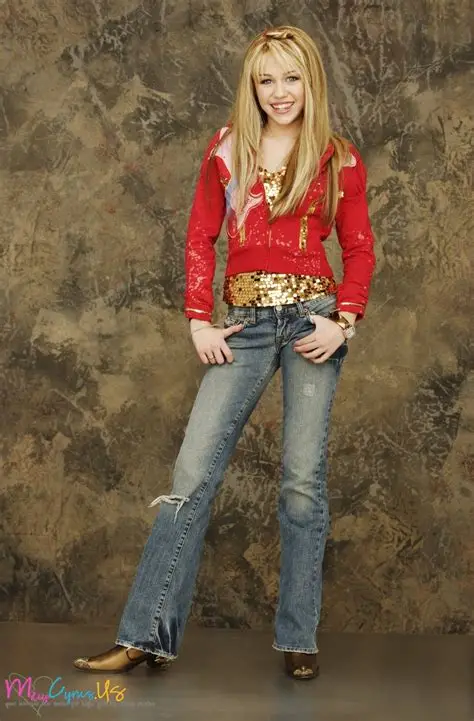
Hannah Montana’s visual aesthetic—sequins, animal prints, layered outfits, and that iconic blonde wig—defined mid-2000s fashion for young viewers . But beyond surface style, the show explored deeper questions of identity and self-expression. Miley Stewart’s transformation into Hannah Montana, achieved through wig and wardrobe, provided a metaphor for the performative nature of identity that resonated with viewers exploring their own self-presentation.
The upside is self-expression empowerment. The show encouraged viewers to experiment with style, to use appearance as creative expression, and to understand that identity could be fluid rather than fixed. For young people, particularly those experiencing queerness or other forms of difference, Hannah Montana’s double life offered validation that multiple identities could coexist .
The wig itself became cultural symbol—representing transformation, power, and the possibility of becoming someone else while remaining fundamentally yourself. This metaphor continues resonating in an age where avatars, filters, and curated profiles allow everyone to maintain multiple digital identities.
The Family and Values Foundation
Despite its focus on fame, Hannah Montana consistently emphasized family, friendship, and moral integrity. Miley Stewart’s relationships with her father Robby Ray (played by Billy Ray Cyrus), her brother Jackson, and her friends Lilly and Oliver provided grounding that counterbalanced the show’s celebrity elements. This emphasis on staying connected to roots while pursuing dreams offered a healthy model for ambition .
The upside is values transmission. The show taught that success without integrity is hollow, that friendship requires honesty, and that family provides foundation regardless of external achievement. These lessons, delivered through entertaining storylines rather than heavy-handed messaging, shaped viewer values in ways that persist into adulthood.
The recent family reunion in the anniversary special—despite the Cyrus family’s well-documented struggles—demonstrated these values in action. The healing between Miley and Billy Ray, the presence of Tish and sister Brandi, showed that the family bonds portrayed on screen had real-world parallels, however complicated .
The Legacy That Continues
Hannah Montana’s influence extends beyond nostalgia. It established templates for children’s programming that subsequent Disney Channel shows followed. It demonstrated that young performers could carry major franchises. It proved that children’s entertainment could address complex themes without condescension.
The upside is continued relevance. As Generation Z and younger millennials enter adulthood, Hannah Montana’s lessons about identity, authenticity, and balancing public and private selves become more applicable, not less. The show predicted challenges that social media would amplify, providing preparation that viewers didn’t know they needed.
The 20th anniversary special, with its blend of nostalgia and reflection, demonstrates this ongoing relevance. It doesn’t just look back—it validates that the experiences viewers had with the show were meaningful, that their attachment was justified, and that the lessons learned continue applying to adult life.
Conclusion: The Upside of Both Worlds
Hannah Montana’s 20th anniversary celebrates more than a television show. It recognizes a cultural touchstone that launched careers, predicted social media culture, and taught a generation about identity and authenticity. The “best of both worlds” wasn’t just a catchy hook—it was a philosophy that acknowledged complexity, embraced duality, and celebrated the possibility of being multiple things simultaneously.
The upside of Hannah Montana’s legacy is preparation. It prepared viewers for the influencer culture they would inhabit. It prepared Miley Cyrus for the career she would build. It prepared the entertainment industry for the recognition that children’s programming could be culturally significant. It prepared a generation to think critically about identity, fame, and authenticity.
Twenty years later, the show’s impact is undeniable. Its star has evolved into one of music’s most enduring artists. Its themes have become central to cultural discourse. Its fans have grown into adults who carry its lessons forward. The Hannahversary isn’t just celebration—it’s confirmation that some television transcends entertainment to become genuine cultural foundation.