Senate Republican Conference: Leadership, Purpose, and Influence in American Politics
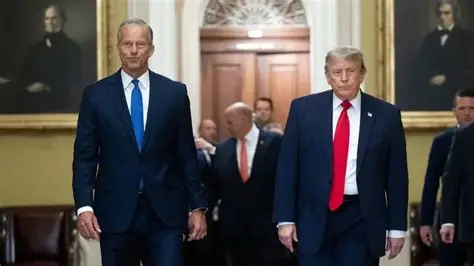
The Senate Republican Conference is one of the most influential organizations within the United States Senate. Representing Republican senators from across the country, the conference serves as the central body for coordinating legislative priorities, electing party leadership, discussing national policy, and developing strategies that shape the direction of Congress.
As one of the two major party conferences in the Senate, the Senate Republican Conference plays a critical role in advancing legislation, responding to national challenges, and helping members work together despite representing states with diverse economies, populations, and policy concerns. Whether debating tax reform, national security, healthcare, energy, or infrastructure, the conference provides Republican senators with a structured forum for collaboration and decision-making.
Beyond politics, the conference reflects the broader democratic process in which elected officials debate ideas, negotiate legislation, and represent the interests of millions of Americans. Understanding how the Senate Republican Conference functions offers valuable insight into how federal laws are developed and how party leadership influences the legislative process.
This comprehensive guide explores the conference’s history, structure, leadership, responsibilities, policy priorities, and continuing importance in American government.
What Is the Senate Republican Conference?
The Senate Republican Conference is the official organization composed of Republican members of the United States Senate.
It provides a forum where Republican senators can:
- Discuss pending legislation
- Coordinate legislative strategy
- Exchange policy ideas
- Elect party leadership
- Prepare for Senate debates
- Communicate party priorities
Although every senator independently represents their state’s voters, the conference helps members work together on issues of national importance.
A Brief History of the Senate Republican Conference
The Senate Republican Conference has existed for well over a century, evolving alongside the modern United States Senate.
As the Republican Party expanded its influence in national politics, senators recognized the need for an organized leadership structure capable of coordinating legislative activities and communicating unified policy positions.
Over time, the conference has become one of the Senate’s most important political organizations, helping Republican lawmakers navigate changing political environments while responding to the nation’s evolving priorities.
Throughout American history, the conference has participated in debates involving economic policy, national security, healthcare, education, judicial appointments, infrastructure, foreign affairs, and government reform.
Purpose of the Conference
The conference serves several important functions within the Senate.
Its primary objectives include:
- Coordinating legislative priorities
- Supporting Republican senators
- Facilitating policy discussions
- Organizing leadership elections
- Preparing members for Senate votes
- Strengthening communication among senators
Rather than replacing individual decision-making, the conference encourages collaboration while allowing members to represent the unique interests of their constituents.
Leadership Structure
The Senate Republican Conference operates through a leadership team elected by Republican senators.
These leaders help organize legislative strategy, communicate party priorities, and manage conference operations.
Senate Republican Leader
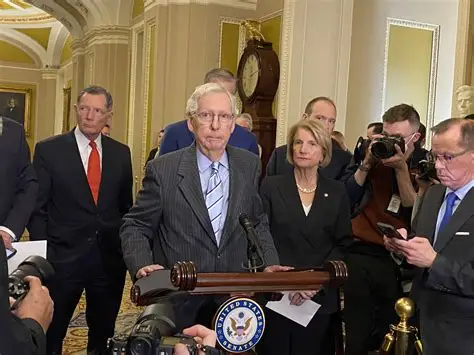
The Senate Republican Leader serves as the chief spokesperson and legislative strategist for the conference.
Responsibilities include:
- Managing Senate floor strategy
- Negotiating with other congressional leaders
- Coordinating committee priorities
- Representing the conference publicly
- Working with the President and House leadership
The leader plays a vital role in advancing legislation and building support among members.
Conference Chair
The Conference Chair oversees internal communication and conference meetings.
Key responsibilities include:
- Organizing policy discussions
- Managing member communication
- Coordinating conference activities
- Supporting leadership initiatives
The chair helps ensure that senators remain informed about legislative developments.
Republican Whip
The Whip assists leadership by:
- Counting votes
- Communicating legislative priorities
- Gathering member feedback
- Coordinating floor action
This role is essential for maintaining communication between leadership and conference members.
Policy Committee
The Policy Committee provides research, legislative analysis, and policy recommendations.
Members receive information regarding:
- Proposed legislation
- Economic trends
- National security issues
- Budget proposals
- Regulatory developments
This research supports informed legislative decision-making.
How the Conference Operates
The conference meets regularly throughout each congressional session.
Meetings provide opportunities to discuss:
- Upcoming Senate votes
- Legislative priorities
- Committee reports
- National issues
- Political strategy
- Public communication
Although many discussions remain private, these meetings help senators prepare for important legislative decisions.
Legislative Priorities
While priorities change over time, several policy areas consistently receive attention.
Economic Growth
Economic policy remains central to Republican legislative efforts.
Common priorities include:
- Encouraging business investment
- Supporting entrepreneurship
- Creating jobs
- Promoting innovation
- Maintaining fiscal responsibility
Strong economic performance benefits businesses, workers, and communities nationwide.
Tax Policy
Tax legislation significantly influences individuals and businesses.
Conference discussions often involve:
- Tax reform
- Small business incentives
- Investment policies
- Economic competitiveness
These proposals seek to encourage long-term economic growth.
National Security
Protecting national security remains a major legislative responsibility.
The conference frequently addresses:
- Defense funding
- Military readiness
- Cybersecurity
- Border security
- Intelligence operations
National security policies require ongoing congressional oversight and funding decisions.
Energy Policy
Energy continues influencing both the economy and national security.
Topics often include:
- Domestic energy production
- Infrastructure investment
- Energy reliability
- Technological innovation
- Environmental stewardship
Balanced energy policies aim to strengthen economic resilience while supporting future development.
Healthcare
Healthcare legislation remains one of Congress’s most debated subjects.
The conference regularly discusses:
- Healthcare affordability
- Rural healthcare access
- Medical innovation
- Insurance markets
- Public health preparedness
Policy proposals seek to improve healthcare outcomes while addressing cost concerns.
Education
Preparing future generations remains an important policy objective.
Republican senators frequently discuss:
- Workforce development
- Career education
- School choice
- Higher education
- Skills training
Education policies help strengthen America’s long-term economic competitiveness.
Committee Responsibilities
Much of the Senate’s legislative work occurs in committees.
Republican senators serve on committees covering areas such as:
- Judiciary
- Finance
- Armed Services
- Homeland Security
- Commerce
- Agriculture
- Energy
- Foreign Relations
Committees conduct hearings, examine legislation, and oversee federal agencies before bills reach the Senate floor.
Relationship with the White House
Communication between Senate leadership and the President remains an important part of the legislative process.
Leaders regularly discuss:
- Budget negotiations
- Major legislation
- Judicial nominations
- National emergencies
- Foreign policy
- Economic priorities
This coordination helps both branches of government pursue shared policy goals while respecting constitutional responsibilities.
Working Across Party Lines
Although the conference promotes Republican priorities, bipartisan cooperation remains an important part of Senate operations.
Many significant laws require negotiation between Republicans and Democrats.
Areas where bipartisan cooperation often occurs include:
- Veterans’ services
- Infrastructure
- Disaster response
- Scientific research
- National security
Successful legislation frequently depends on compromise and collaboration.
Challenges Facing the Conference
Modern governance presents several ongoing challenges.
Political Polarization
Increasing political divisions can complicate legislative negotiations.
Budget Pressures
Balancing government spending with fiscal responsibility requires difficult decisions.
Emerging Technologies
Congress increasingly addresses issues involving:
- Artificial intelligence
- Cybersecurity
- Data privacy
- Digital infrastructure
Rapid technological change creates new legislative responsibilities.
Public Expectations
Citizens expect Congress to respond efficiently to national challenges while maintaining accountability and transparency.
Meeting these expectations requires effective leadership and communication.
Why the Senate Republican Conference Matters
The Senate Republican Conference influences nearly every stage of the legislative process.
Its work helps:
- Coordinate Senate strategy
- Develop policy proposals
- Elect party leadership
- Prepare members for debate
- Communicate legislative priorities
The conference contributes significantly to the functioning of the United States Senate and the broader federal government.
Looking Toward the Future
As America continues facing economic, technological, and global challenges, the Senate Republican Conference will remain an important institution within Congress.
Future priorities are expected to include:
- Artificial intelligence regulation
- Energy innovation
- Workforce development
- National security
- Healthcare modernization
- Fiscal sustainability
Strong leadership and thoughtful policymaking will remain essential as these issues continue evolving.
Conclusion
The Senate Republican Conference serves as a cornerstone of Republican leadership in the United States Senate, bringing together senators to coordinate legislative strategy, develop policy priorities, and represent their constituents on issues of national importance. Through its leadership structure, committee work, and policy discussions, the conference helps shape debates on economic growth, healthcare, energy, education, national security, and many other areas that influence the lives of Americans.
Beyond advancing party priorities, the conference plays a broader role in the democratic process by fostering collaboration, encouraging informed debate, and supporting the legislative responsibilities of the Senate. While political challenges and evolving national issues continue to test lawmakers, the conference remains an important institution for organizing policy, communicating ideas, and guiding legislative action.