John Thune and Donald Trump Communication: Understanding Their Political Relationship
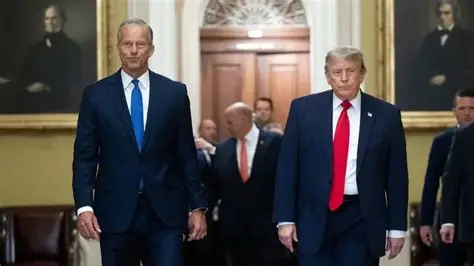
Communication between political leaders often shapes the direction of legislation, party strategy, and national policy. Within the Republican Party, one relationship that continues to attract public attention is the communication between Senate Majority Leader John Thune and President Donald Trump. As two influential figures with different roles in American government, their discussions can affect legislative priorities, Republican messaging, and cooperation between the White House and Congress.
Although their relationship has experienced periods of agreement and disagreement over the years, both leaders have emphasized the importance of advancing Republican priorities while addressing the nation’s economic, security, and governmental challenges. Their communication reflects the practical realities of governing, where cooperation, negotiation, and strategic planning are often essential.
Political observers closely monitor interactions between Thune and Trump because they influence debates on major legislation, budget negotiations, judicial confirmations, national security, taxation, immigration, and other significant policy areas. Understanding how these two leaders communicate provides valuable insight into the modern Republican Party and the legislative process.
This comprehensive guide examines the political relationship between John Thune and Donald Trump, the importance of leadership communication, key policy areas, challenges, and the broader implications for American politics.
Who Is John Thune?
John Thune is a longtime Republican senator from South Dakota who has served in several senior leadership positions in the United States Senate.
Throughout his congressional career, he has built a reputation for:
- Legislative experience
- Policy expertise
- Conservative leadership
- Bipartisan negotiations
- Senate institutional knowledge
As Senate Majority Leader, Thune plays a central role in organizing Senate business, coordinating Republican legislative priorities, and working with the executive branch.
Donald Trump’s Leadership Role
President Donald Trump remains one of the most influential figures in American politics.
His administration has focused on policy priorities including:
- Economic growth
- Border security
- Energy production
- National defense
- Tax policy
- Government efficiency
As president, Trump works closely with congressional leaders to advance legislation and implement executive priorities.
Why Communication Between Leaders Matters
In the American constitutional system, the executive and legislative branches must often work together to achieve policy goals.
Communication between congressional leaders and the president helps:
- Coordinate legislative strategy
- Schedule votes
- Negotiate policy details
- Build political support
- Resolve disagreements
- Respond to national events
Strong communication can improve the efficiency of the legislative process while helping both branches pursue shared objectives.
The Evolution of Their Relationship
The political relationship between John Thune and Donald Trump has evolved over time.
Like many leaders within a major political party, they have occasionally expressed different opinions on certain issues while also working together on shared legislative priorities.
This reflects a common reality in democratic governance: political allies may disagree on specific policies while cooperating on broader goals.
Over time, both leaders have emphasized the importance of advancing Republican priorities and maintaining effective communication.
Key Areas of Cooperation
Communication between Senate leadership and the White House often centers on major legislative issues.
Several policy areas have been especially important.
Economic Policy
Economic legislation frequently requires close coordination.
Discussions may include:
- Tax legislation
- Business investment
- Job creation
- Federal spending
- Inflation
- Workforce development
Economic policy remains one of the most significant responsibilities shared by Congress and the executive branch.
Budget Negotiations
Congress controls federal appropriations while the president proposes budget priorities.
Communication helps leaders:
- Negotiate funding levels
- Establish legislative timelines
- Address fiscal concerns
- Prevent government disruptions
Successful budget agreements often require extensive consultation between congressional leaders and the administration.
National Security
Protecting national security remains a bipartisan responsibility.
Topics often discussed include:
- Defense funding
- Military readiness
- Intelligence
- Cybersecurity
- Border security
- International alliances
Regular communication supports coordinated decision-making.
Judicial Confirmations
The Senate has constitutional responsibility for confirming federal judges nominated by the president.
Senate leadership works closely with the White House throughout the confirmation process.
This coordination influences appointments to:
- Federal district courts
- Courts of appeals
- The Supreme Court when vacancies occur
How Leadership Communication Works
Political communication occurs through multiple channels.
These include:
Private Meetings
Leaders meet to discuss legislative priorities and scheduling.
Telephone Conversations
Direct communication allows rapid coordination during important legislative periods.
White House Meetings
Congressional leaders regularly visit the White House to discuss pending legislation.
Staff Coordination
Professional staff members communicate daily regarding legislative planning.
Public Statements
Press conferences and interviews help explain policy positions to the public.
Together, these communication methods support ongoing cooperation.
The Importance of Senate Leadership
The Senate Majority Leader plays a unique role in determining legislative priorities.
Responsibilities include:
- Scheduling floor votes
- Managing Senate debate
- Coordinating committee activity
- Negotiating bipartisan agreements
- Working with the president
These responsibilities make communication with the executive branch especially important.
Challenges in Political Communication
Even leaders within the same political party sometimes face disagreements.
Challenges may include:
Different Priorities
The White House and Congress occasionally emphasize different legislative objectives.
Timing
Legislative schedules and political events may influence negotiations.
Public Expectations
Citizens often expect rapid action on complex policy issues.
Diverse Perspectives
Republican senators represent different states with varying priorities.
Leadership requires balancing these viewpoints while maintaining party unity.
The Role of Negotiation
Effective governance depends on negotiation.
Communication helps leaders:
- Clarify policy details
- Resolve misunderstandings
- Build consensus
- Improve legislation
- Coordinate public messaging
Successful negotiations often occur through continuous dialogue rather than single meetings.
Impact on Republican Strategy
Communication between John Thune and Donald Trump influences broader Republican planning.
Areas affected may include:
- Legislative priorities
- Election strategy
- Public messaging
- Committee agendas
- Policy development
Unified communication often helps explain Republican policy goals to voters.
Public Interest in Their Relationship
Political observers closely follow interactions between senior Republican leaders because they may influence:
- Major legislation
- Government funding
- Executive initiatives
- Congressional negotiations
- National policy debates
News coverage frequently focuses on official meetings, public statements, and legislative developments involving both leaders.
Leadership Lessons
The relationship between John Thune and Donald Trump demonstrates several broader leadership principles.
Communication Matters
Regular dialogue helps organizations operate more effectively.
Cooperation Supports Progress
Shared goals often require collaboration among different leaders.
Respectful Disagreement Is Part of Democracy
Political systems allow differing viewpoints while encouraging continued dialogue.
Long-Term Planning Is Essential
Major legislation often requires months of preparation and negotiation.
These lessons extend beyond politics into business, education, and community leadership.
Looking Ahead
As Congress and the White House continue addressing national issues, communication between Senate leadership and the president will remain important.
Future discussions are likely to focus on:
- Economic competitiveness
- Artificial intelligence
- National security
- Energy policy
- Healthcare
- Infrastructure
- Government modernization
Ongoing cooperation will influence how these priorities move through the legislative process.
Why This Relationship Matters
Communication between John Thune and Donald Trump illustrates how democratic institutions function through coordination between separate branches of government.
While policy differences may occasionally arise, continued dialogue helps maintain effective governance and legislative progress.
Understanding these interactions provides valuable insight into how national decisions are debated, negotiated, and implemented within the American political system.
Conclusion
The communication between John Thune and Donald Trump reflects the essential relationship between congressional leadership and the presidency. Through regular discussions, policy coordination, and legislative planning, both leaders play significant roles in shaping Republican priorities and addressing national issues ranging from economic policy and national security to judicial appointments and government funding.
Although political leaders may not agree on every issue, effective communication remains a cornerstone of successful governance. Their interactions demonstrate how negotiation, cooperation, and strategic planning contribute to the legislative process while balancing the responsibilities of the executive and legislative branches.