Financial difficulties can affect anyone.
Unexpected expenses, business challenges, job loss, medical costs, economic changes, or overwhelming debt can gradually turn financial stability into financial stress. When debt becomes impossible to manage, people may feel that their financial future has disappeared.
Bankruptcy is often associated with failure, but its legal purpose can be very different.
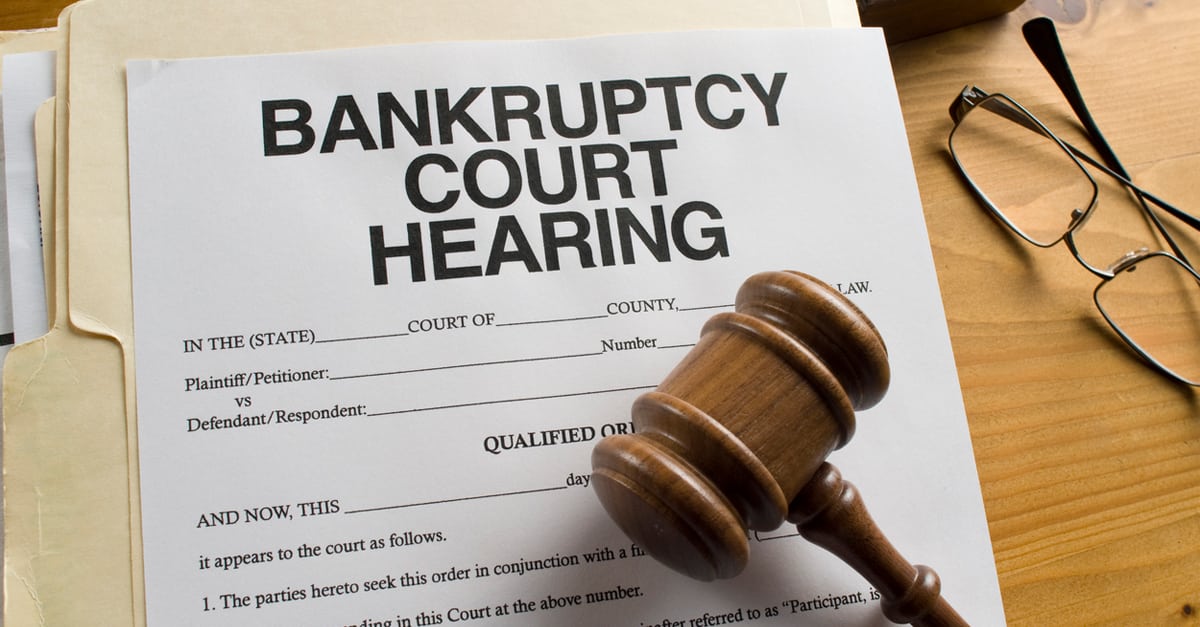
In the United States, bankruptcy is a legal process designed to help individuals and businesses dealing with debts they cannot reasonably pay. Depending on the type of case, it can provide debt relief, create a structured repayment plan, or allow a business to reorganize its finances. The U.S. Courts describe one fundamental purpose of bankruptcy as giving an honest debtor a financial “fresh start.”
That idea is important.
Bankruptcy does not have to represent the end of a financial journey. For eligible people and businesses, it can become the beginning of a more organized and sustainable future.
What Is Bankruptcy?
Bankruptcy is a legal process governed in the United States primarily by the federal Bankruptcy Code.
It provides a formal framework for dealing with overwhelming debt. Depending on the circumstances, the process may involve selling certain nonexempt assets, creating a repayment plan, reorganizing a business, or obtaining a discharge of eligible debts.
A bankruptcy case generally begins when a debtor files a petition with a bankruptcy court.
The debtor provides financial information, including assets, income, liabilities, and creditor information. The court-supervised process then determines how the debtor’s financial obligations will be handled under the applicable bankruptcy chapter.
The process is structured because bankruptcy affects both debtors and creditors.
For the person or business struggling with debt, it can create an opportunity to regain financial stability.
For creditors, it creates an orderly legal system for determining how claims are handled.
Bankruptcy Is Not Simply About Losing Everything
One of the biggest misconceptions about bankruptcy is that filing automatically means losing everything.
That is not how every bankruptcy case works.
For example, Chapter 7 involves liquidation of nonexempt property, but bankruptcy law also allows certain property to be protected through exemptions. The U.S. Courts note that many individual Chapter 7 cases are “no-asset” cases in which there is no nonexempt property available for liquidation.
Other bankruptcy chapters focus more heavily on repayment and reorganization.
This means the outcome depends on the person’s financial situation, the type of bankruptcy filed, applicable exemptions, income, assets, debts, and other legal factors.
Bankruptcy should therefore be understood as a legal framework rather than a single financial outcome.
The Fresh Start Principle
The most positive idea connected with bankruptcy is the concept of a fresh start.
When qualifying debts are discharged, the debtor is released from personal liability for those debts. A discharge generally prevents creditors from continuing collection efforts on debts covered by the discharge.
This can create something extremely valuable: financial breathing room.
Instead of spending every month trying to survive an impossible debt burden, an individual may eventually be able to redirect attention toward essential living costs, savings, employment, education, family responsibilities, and long-term planning.
A fresh start does not erase every financial challenge.
It creates an opportunity to approach those challenges from a more manageable position.
Chapter 7 Bankruptcy
Chapter 7 is commonly known as liquidation bankruptcy.
Under Chapter 7, a trustee generally gathers and administers the debtor’s nonexempt assets and distributes available proceeds according to bankruptcy law. Certain property can be protected through applicable exemptions.
For qualifying individuals, Chapter 7 can result in a discharge of many debts.
The U.S. Courts explain that an individual Chapter 7 debtor generally receives a discharge relatively early in the case when the legal requirements are satisfied and no successful objection prevents it.
Chapter 7 can therefore provide a significant reset for eligible debtors.
However, it is not designed for every financial situation. Eligibility requirements, the means test, exemptions, secured debts, and nondischargeable obligations can all affect the outcome.
Professional legal advice is particularly important before making such a decision.
Chapter 13 Bankruptcy
Chapter 13 takes a different approach.
It is designed for individuals with regular income who need an opportunity to repay debts over time while retaining property.
Under Chapter 13, a debtor generally proposes a repayment plan lasting three to five years. Payments are made according to the court-approved plan, and creditors are generally prohibited from continuing collection efforts while the plan is in effect.
This structure can provide an important advantage.
Instead of facing every debt at once, the debtor works through a court-supervised plan.
For people with regular income and the ability to make payments, structured repayment can provide a path toward greater financial stability.
The process also demonstrates an important principle of bankruptcy: financial recovery does not always mean eliminating every obligation immediately. Sometimes it means creating a realistic system for handling those obligations over time.
Chapter 11 and Business Recovery
Businesses facing serious financial pressure may use Chapter 11 to reorganize.
Chapter 11 generally allows a business to continue operating while working toward a court-approved restructuring plan. The process can involve restructuring debts, adjusting operations, addressing contracts and leases, and developing a plan for future financial stability.
This can be especially important because a financially troubled business may still have valuable employees, customers, products, intellectual property, equipment, or long-term potential.
Reorganization can provide an opportunity to preserve those productive elements rather than immediately shutting everything down.
The goal can therefore extend beyond debt management.
It can involve rebuilding the business itself.
Bankruptcy Can Protect Against Collection Pressure
Financial distress often becomes emotionally exhausting when creditors are contacting a person repeatedly.
Depending on the circumstances, filing bankruptcy can trigger an automatic stay.
The automatic stay generally stops many collection actions, including certain lawsuits, garnishments, foreclosures, and collection activities.
This can create immediate breathing room.
That breathing room can be extremely valuable because financial decisions are often harder to make when someone is constantly reacting to collection calls, lawsuits, or threats of enforcement.
A structured legal process can replace some of that uncertainty with defined procedures.
However, the automatic stay has exceptions and limitations, so it should not be treated as protection against every possible financial or legal action.
Not Every Debt Disappears
Bankruptcy can provide substantial relief, but it does not automatically eliminate every debt.
Certain obligations may remain after bankruptcy depending on the type of debt and the applicable law.
A bankruptcy discharge releases a debtor from personal liability for specified debts, but valid liens can survive even when personal liability for the underlying debt has been discharged.
This distinction is important.
Someone considering bankruptcy needs to understand exactly which obligations may be discharged and which may continue.
The details can vary depending on the bankruptcy chapter and the circumstances of the case.
The Importance of Financial Honesty
Bankruptcy is a formal legal process, so accurate financial information matters.
Debtors are generally required to disclose assets, income, liabilities, and other financial information.
Trying to hide assets, provide false information, or improperly transfer property can create serious legal consequences. The U.S. Courts identify fraudulent concealment or transfer of property and other misconduct among circumstances that can affect a debtor’s discharge.
The positive path through bankruptcy is therefore based on honesty and transparency.
Accurate records make it easier for the legal system to understand the financial situation and administer the case properly.
Bankruptcy Is Not a Personal Identity
Debt can become deeply emotional.
People may feel embarrassed because of financial problems. They may compare themselves with friends or relatives who appear financially successful. They may feel that needing bankruptcy means they have failed.
Financial hardship should not automatically be treated as a measure of someone’s character.
Businesses fail.
Jobs disappear.
Markets change.
Families face unexpected expenses.
Circumstances can develop beyond a person’s original plans.
Bankruptcy is a legal financial mechanism, not a definition of someone’s worth.
The more constructive approach is to treat financial difficulty as a problem that requires information, planning, and appropriate action.
The Road to Financial Recovery
Bankruptcy itself is only one stage of financial recovery.
The real opportunity begins with what happens afterward.
A fresh financial chapter can involve creating a realistic monthly budget, rebuilding savings, reducing unnecessary expenses, establishing responsible financial habits, and developing a sustainable approach to future borrowing.
The goal should not simply be to escape today’s financial pressure.
It should be to build a stronger foundation for tomorrow.
Small improvements can have significant long-term effects.
A modest emergency fund can prevent one unexpected expense from becoming a new financial crisis.
A written budget can make spending patterns visible.
Regular saving can create greater independence.
Careful borrowing can reduce future financial pressure.
Rebuilding Confidence After Financial Hardship
Financial recovery is also emotional.
After experiencing serious debt, people may become afraid of making financial decisions.
That fear can be understandable.
But financial confidence can be rebuilt gradually.
Learning how credit works, understanding income and expenses, tracking spending, setting realistic financial goals, and seeking professional guidance can help restore a sense of control.
The important thing is progress.
Financial recovery rarely happens overnight.
It develops through consistent decisions.
Every bill handled responsibly, every unnecessary expense avoided, and every amount saved can represent movement toward greater stability.
Bankruptcy and Businesses: Turning Crisis Into Reorganization
For businesses, bankruptcy can sometimes become a period of transformation.
A company facing unsustainable debt may need to reconsider its operating model, expenses, contracts, financing structure, or business strategy.
Chapter 11 can provide a legal framework for reorganization while the business continues operating under court supervision and applicable rules.
That can preserve productive parts of a company while giving it time to address financial problems.
A business that emerges from restructuring may operate with a different cost structure, debt burden, or strategy.
The experience can also encourage stronger financial controls and more careful planning.
The Importance of Professional Guidance
Bankruptcy laws are complex.
The correct approach depends on the person’s or business’s circumstances, location, assets, income, debts, and applicable legal rules.
The U.S. Courts specifically recommend seeking advice from a qualified lawyer because bankruptcy can have long-term financial and legal consequences.
Financial professionals can also be useful for understanding budgets, cash flow, debt management, and long-term planning.
Free or low-cost legal services may be available to people who qualify.
Getting reliable information early can prevent expensive mistakes later.
Bankruptcy and a More Responsible Financial Future
One of the most valuable outcomes of a difficult financial period can be greater financial awareness.
Someone who has experienced overwhelming debt may become more conscious of interest rates, repayment schedules, emergency savings, insurance, budgeting, and financial risk.
Those lessons can become part of a stronger future.
The objective is not to live in fear of debt.
It is to understand debt well enough to use it carefully.
Credit can be useful when managed responsibly.
Loans can support education, housing, or business growth.
But financial commitments need to fit realistically within income and long-term circumstances.
A Fresh Start Is Built Step by Step
A fresh start is not a single event.
It is a process.
It can begin with acknowledging the problem.
It can continue with professional advice and a realistic plan.
It can grow through responsible spending and saving.
And it can eventually lead to greater financial independence.
Bankruptcy may provide legal relief, but long-term recovery comes from the financial habits developed afterward.
This is where the most positive part of the journey begins.
Looking Beyond Financial Failure
The word “bankruptcy” can sound frightening.
But the legal system does not exist only to punish financial distress.
U.S. bankruptcy courts describe their role as helping individuals and businesses that cannot pay their debts obtain a fresh start, while also providing an orderly process for creditors.
That balance matters.
A healthy financial system needs mechanisms for dealing with genuine financial failure.
Without such mechanisms, overwhelming debt could become permanently destructive for individuals and economically productive businesses.
Bankruptcy provides a structured path through situations that may otherwise feel impossible.
Conclusion: Bankruptcy Can Open the Door to a New Beginning
Bankruptcy is not a magic solution, and it is not the right option for every person or business.
It is a serious legal process with consequences that deserve careful consideration.
But bankruptcy can also represent something hopeful: the possibility of a fresh financial beginning.
For eligible individuals, debt discharge or structured repayment can create space to rebuild.
For businesses, reorganization can provide an opportunity to restructure operations and continue moving forward.
The most important lesson is that financial hardship does not have to define the rest of someone’s life.
A difficult financial chapter can become a turning point.
Bankruptcy is therefore not simply a story about debt.
It can be a story about recovery.
It can be about learning from the past, creating structure in the present, and building a stronger financial future.
The fresh start is not the end of the journey.
It is the opportunity to begin again with greater knowledge, greater discipline, and renewed hope.
Reference
For more finance, business, money-management, technology, and trending stories, visit Daily Talks Web.