Austin Shooting Shakes Community and Sparks Conversations
Recent shooting incidents in Austin created fear, heartbreak, and emotional concern across the city as residents struggled to process a series of violent events that disrupted daily life and raised urgent conversations about safety and community resilience.
Authorities reported multiple shootings across different areas of Austin over a short period, leaving several people injured and prompting large police responses, shelter-in-place warnings, and widespread public concern. Investigators later confirmed that several teenage suspects were taken into custody following the violent spree.
The frightening events shocked residents because many of the attacks appeared random, affecting ordinary people during routine moments of daily life. Communities across Austin responded with fear, concern, and emotional support for victims and families impacted by the violence.
Although the shootings caused significant distress, they also revealed the strength and unity that communities often show during moments of crisis.
People came together through:
- Emotional support
- Public safety cooperation
- Community awareness
- Compassion for victims
- Calls for healing and prevention
Difficult moments frequently remind communities how important solidarity and humanity truly are.
What Happened During the Austin Shooting Incidents
Austin authorities reported a series of shootings occurring over approximately two days in different parts of the city.
Police stated that:
- Multiple shootings occurred across South and East Austin
- Several vehicles and buildings were struck by gunfire
- At least four people suffered injuries
- One victim experienced critical injuries
- Multiple stolen vehicles were allegedly involved
Officials described many of the shootings as random, increasing public fear and uncertainty throughout the city.
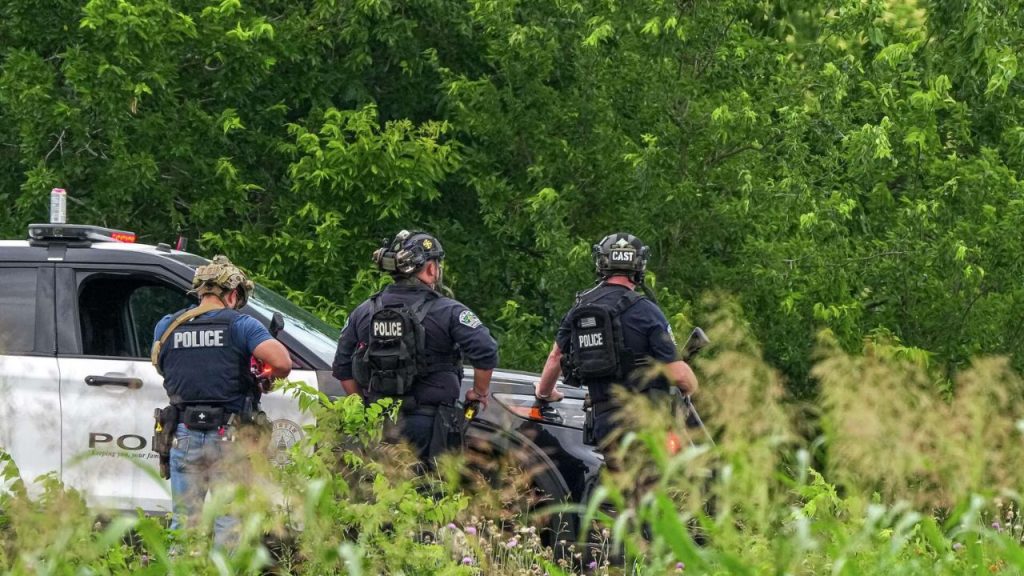
Austin police quickly launched an intensive investigation while warning residents to remain cautious and alert. Shelter-in-place orders were temporarily issued in some neighborhoods as authorities searched for suspects connected to the violence.
Investigators later confirmed that three teenage suspects had been taken into custody following the incidents.
Fear and Uncertainty Across Austin
Public violence often affects entire communities emotionally, even among people who were not directly harmed.
Residents across Austin described feelings of:
- Fear
- Anxiety
- Shock
- Emotional stress
- Concern for loved ones
The random nature of the shootings increased emotional tension because people could not easily predict where danger might appear.
When violence interrupts normal routines, communities often experience a deep sense of vulnerability.
Many Austin residents reported changing daily habits temporarily, avoiding certain areas, or staying indoors while authorities worked to restore safety.
Public shootings create emotional impact because they challenge people’s sense of security in ordinary environments.
Fast Police Response and Investigation
One important factor that helped reduce further danger was the rapid response from law enforcement agencies.
Austin police worked quickly to:
- Investigate connected shooting scenes
- Identify suspect vehicles
- Alert the public
- Coordinate regional searches
- Detain suspects connected to the violence
Officials stated that multiple stolen vehicles and stolen firearms were allegedly connected to the incidents. (Axios)
Police also emphasized the importance of community cooperation, encouraging residents to report suspicious activity and remain vigilant while investigations continued.
Fast emergency responses can:
- Save lives
- Reduce additional violence
- Increase public reassurance
- Improve community safety during crises
Although fear remained high, many residents appreciated the speed and coordination shown during the investigation.
The Emotional Impact on Victims and Witnesses
Witnessing or experiencing violence can leave lasting emotional effects on individuals and families.
People exposed to traumatic events often struggle afterward with:
- Anxiety
- Stress
- Fear in public places
- Difficulty sleeping
- Emotional shock
Even individuals who only followed the events through news coverage sometimes reported emotional distress because public violence naturally creates fear and uncertainty.
Communities frequently underestimate the emotional consequences of traumatic events.
Healing often requires:
- Emotional support
- Counseling resources
- Open conversations
- Compassion from others
- Time and patience
Trauma affects people differently, and emotional recovery can continue long after physical danger ends.
Why Public Violence Creates Such Strong Reactions
Incidents like the Austin shooting create strong emotional responses because people naturally imagine themselves or loved ones in similar situations.
Public violence disrupts:
- Everyday routines
- Feelings of safety
- Community trust
- Emotional stability
Ordinary moments suddenly feel fragile after traumatic events.
People seek reassurance, understanding, and hope during periods of uncertainty.
These emotional reactions are deeply human.
Communities affected by violence often experience collective grief and anxiety while trying to process what happened and why.
Community Unity During Difficult Moments
Despite fear and emotional pain, many Austin residents responded with compassion and solidarity.
Communities frequently grow stronger during hardship through:
- Supporting victims
- Helping neighbors
- Sharing safety information
- Encouraging emotional healing
- Standing together publicly
Acts of kindness become especially meaningful during crises.
Many residents praised emergency workers, healthcare professionals, and community leaders who worked tirelessly during the investigation and recovery process.
Moments of tragedy often reveal the importance of human connection and empathy.
Communities heal more effectively when people support one another emotionally rather than facing fear alone.
Conversations About Public Safety
The Austin shooting incidents also reignited larger national conversations about public safety and violence prevention.
Many residents and leaders discussed:
- Community safety improvements
- Youth intervention programs
- Mental health awareness
- Gun violence prevention
- Crisis response systems
Public shootings often lead communities to ask difficult but important questions about how violence can be prevented before tragedy occurs.
Although solutions remain complex, conversations around prevention and emotional support continue growing nationwide.
Many experts emphasize the importance of:
- Early intervention
- Community outreach
- Mental health resources
- Violence prevention programs
- Positive youth engagement
Long-term progress often requires cooperation between communities, schools, law enforcement, healthcare systems, and local leaders.
The Importance of Mental Health Awareness
Mental health discussions frequently become part of conversations after violent incidents because emotional distress can escalate dangerously without support or intervention.
Experts often stress the need for:
- Accessible counseling services
- Emotional support systems
- Crisis intervention programs
- Early warning awareness
- Community-based mental health resources
While no single solution prevents every tragedy, emotional support and early intervention remain critical parts of violence prevention efforts.
Communities increasingly recognize the importance of mental health care not only for recovery after trauma but also for reducing future risks.
Social Media and Public Reaction
Social media quickly amplified news about the Austin shootings as residents shared updates, warnings, emotional reactions, and public safety information.
Online conversations reflected:
- Fear and confusion
- Sympathy for victims
- Gratitude toward first responders
- Calls for stronger safety measures
- Emotional concern for the community
Digital communication now plays a major role during emergency situations, helping communities receive updates quickly while also spreading emotional reactions in real time.
During crises, responsible sharing of verified information becomes especially important.
Accurate updates help reduce panic and confusion.
The Strength of Austin’s Community Spirit
Although the shootings deeply affected the city emotionally, many residents emphasized that violence does not define Austin’s identity.
Austin remains known for:
- Strong community culture
- Creativity and diversity
- Supportive neighborhoods
- Resilience during hardship
Communities often demonstrate extraordinary emotional strength after difficult events.
Recovery happens gradually through:
- Healing conversations
- Emotional support
- Community cooperation
- Continued public awareness
Many residents expressed hope that Austin would emerge stronger and more united after processing the trauma caused by the shootings.
Why Stories of Resilience Matter
News about violence can feel emotionally overwhelming, but stories of resilience remain equally important.
Communities inspire hope when they:
- Protect one another
- Support victims
- Encourage healing
- Continue rebuilding trust and safety
Resilience does not erase pain or fear.
Instead, it reflects the courage to move forward together despite hardship.
Austin residents demonstrated resilience through compassion, unity, and determination to support one another during uncertain moments.
These responses help communities heal emotionally over time.
Looking Toward Healing and Prevention
As investigations continue, many people hope the Austin shooting incidents encourage stronger conversations around:
- Violence prevention
- Youth support systems
- Emotional wellness
- Public safety awareness
- Community cooperation
Healing after traumatic events takes time, but communities often grow stronger when they respond with empathy, support, and commitment to positive change.
Difficult moments can inspire renewed focus on protecting communities and strengthening emotional support systems for future generations.
Conclusion
The recent Austin shooting incidents created fear, heartbreak, and emotional shock across the city as residents faced a disturbing period of violence and uncertainty. Authorities confirmed multiple shootings, injuries, and arrests connected to the incidents while emphasizing ongoing investigations and public safety efforts. (The Guardian)
Although the violence deeply affected the community, Austin residents also demonstrated resilience, compassion, and unity during a difficult time.
Moments like these remind people of the importance of empathy, emotional support, and community solidarity in the face of fear and uncertainty.
As Austin continues healing, many residents hope the city moves forward with renewed focus on safety, mental health awareness, and protecting the strength and spirit that continue defining the community.