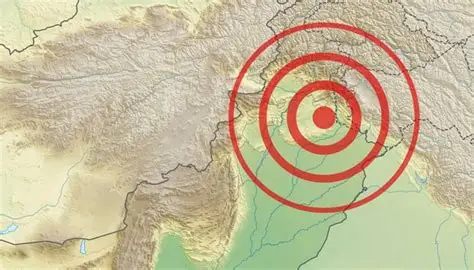
When the earth shakes, it does more than move buildings—it stirs hearts, awakens fear, and reminds people of how fragile life truly is. The recent earthquake in Rawalpindi sent waves of panic across homes, streets, and social media. In seconds, normal life paused. People rushed outside, whispered prayers, and held onto loved ones.
But amid the fear, something powerful also emerged: human resilience.
This article explores not only the devastation of earthquakes but also their upside—the strength they reveal, the unity they inspire, and the lessons they teach. In moments of crisis, Rawalpindi showed that courage can rise from chaos.
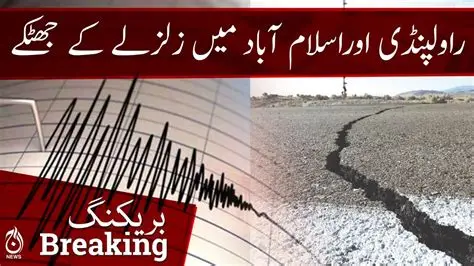
The Moment Everything Changed
For many residents, the earthquake came without warning. One moment, families were eating dinner. The next, walls trembled, lights flickered, and the ground seemed to breathe.
Children cried.
Parents panicked.
Elders prayed.
Time felt slower. Every second felt heavy.
Some people ran barefoot into the streets. Others stood frozen, unsure what to do. And in that moment, Rawalpindi shared a single heartbeat—fear mixed with hope.
The Emotional Impact of Earthquakes
Earthquakes do not only damage buildings; they damage peace of mind.
After the shaking stops, people often feel:
- Anxiety
- Sleeplessness
- Fear of aftershocks
- Emotional shock
- Vulnerability
Even those whose homes remain safe may feel unsafe inside their own walls.
The emotional scars can last longer than the physical ones.
Rawalpindi’s Response: A City That Refused to Fall
One of the most beautiful things about tragedy is how it reveals humanity’s true face.
After the quake, neighbors helped neighbors.
Strangers became family.
Phones rang nonstop with one question: Are you okay?
Shops opened to give free water.
Mosques welcomed those too scared to go home.
Volunteers rushed to check on the elderly.
Fear tried to divide—but compassion won.
The Hidden Upside of Natural Disasters
It may sound strange, but disasters often reveal powerful truths.
They show us:
- What truly matters
- Who truly cares
- How strong we really are
- How quickly we can unite
The earthquake reminded Rawalpindi that life is not guaranteed—but love, unity, and kindness can still be chosen.
Unity in the Face of Uncertainty
Social barriers disappear during crisis.
In those moments, it does not matter who you are or where you come from. Everyone is simply human—scared, hopeful, and alive.
This unity is the upside of disaster.
It teaches us that we were never meant to survive alone.
The Psychological Strength of Survivors
Surviving an earthquake changes people.
Some become more grateful.
it become more careful.
Some become more compassionate.
Pain can soften hearts.
Fear can sharpen awareness.
And loss can deepen love.
Children and Earthquakes: A Silent Struggle
Children often suffer the most emotionally.
They may not understand what happened, but they feel it deeply.
After earthquakes, children often show:
- Nightmares
- Fear of being alone
- Clinging behavior
- Sudden silence
But with support, they also show remarkable resilience.
A child who survives an earthquake learns early what bravery looks like.
Rawalpindi’s Strength Is Its People
Buildings can crack.
Roads can break.
Walls can fall.
But people—when united—become unbreakable.
Rawalpindi proved that its real strength is not in its infrastructure, but in its hearts.
The Role of Faith and Hope
In moments of danger, many people turned to prayer.
Faith became a shelter.
Hope became a blanket.
Belief became strength.
Even those who had lost everything held onto something greater: the will to continue.
Preparing for the Future: Lessons from the Earthquake
Every disaster teaches lessons.
Rawalpindi learned the importance of:
- Emergency preparedness
- Safe building practices
- Community drills
- Early warning systems
- Emotional support systems
Preparedness saves lives.
Awareness saves families.
The Power of Togetherness
After the quake, people didn’t ask:
“Who are you?”
They asked:
“Are you safe?”
That is the upside.
That is humanity.
Final Thoughts
The earthquake in Rawalpindi was more than a natural event—it was a deep emotional experience that reminded people of life’s fragility and the power of human connection. In moments of fear, the city discovered its true strength: unity, kindness, and resilience.
While earthquakes bring destruction, they also reveal courage, compassion, and the will to rebuild. Rawalpindi showed that even when the ground shakes, hope can remain steady. Through preparedness, awareness, and community support, the city can move forward stronger, wiser, and more united than ever before.