Hantavirus: Turning Awareness Into Protection
In today’s interconnected world, health awareness has never been more important. Among the lesser-known but serious viral infections is Hantavirus—a condition that, while rare, highlights the importance of knowledge, prevention, and timely action.
Rather than fear, the story of hantavirus is one of empowerment. With the right information, individuals and communities can significantly reduce risks and protect themselves.
What Is Hantavirus?
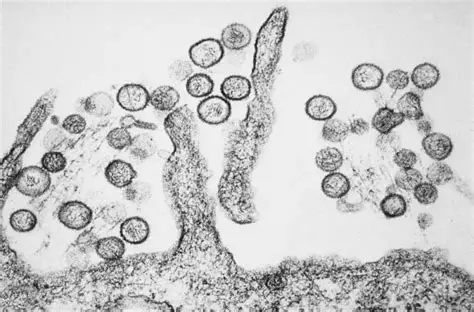
Hantavirus refers to a group of viruses primarily spread by rodents. Humans can become infected through contact with contaminated materials such as droppings, urine, or saliva.
In some regions, hantavirus can lead to severe respiratory illness, often referred to as Hantavirus Pulmonary Syndrome (HPS). While serious, it is important to note that cases are relatively rare—and preventable with proper precautions.
Understanding the virus is the first step toward staying safe.
How Transmission Occurs
Hantavirus does not spread like common colds or flu. Instead, it is typically transmitted when people inhale particles contaminated by infected rodents.
Common risk situations include:
- Cleaning enclosed spaces where rodents have been present
- Exposure to rodent nests or droppings
- Living or working in areas with high rodent activity
The key takeaway is clear: awareness of surroundings plays a major role in prevention.
Recognizing the Symptoms
Early symptoms of hantavirus infection can resemble common illnesses, which makes awareness even more important.
Initial signs may include:
- Fever and fatigue
- Muscle aches
- Headaches
- Nausea or dizziness
As the illness progresses, more severe symptoms can develop, particularly affecting the lungs.
Prompt medical attention is essential if symptoms appear after potential exposure.
The Power of Early Action
One of the most encouraging aspects of modern healthcare is the ability to respond quickly.
Early recognition and medical care can significantly improve outcomes. Healthcare systems today are better equipped than ever to diagnose and manage such conditions.
This underscores an important message: knowledge saves lives.
Prevention: The Strongest Defense
The good news is that hantavirus is largely preventable.
Simple, practical steps can make a significant difference:
Keep Living Spaces Clean
Regular cleaning and proper waste management reduce the likelihood of rodent presence.
Seal Entry Points
Closing gaps in walls, doors, and windows prevents rodents from entering homes.
Use Safe Cleaning Methods
When cleaning areas with possible rodent contamination, avoid sweeping or vacuuming dry materials. Instead, use disinfectants and protective gear.
Store Food Properly
Secure storage prevents attracting rodents.
These measures are not complicated—but they are powerful.
Community Awareness and Responsibility
Prevention is not just an individual effort—it is a community responsibility.
Public health campaigns, education programs, and local initiatives play a vital role in spreading awareness.
When communities work together, risks decrease significantly.
The Role of Public Health Systems
Organizations like World Health Organization and local health authorities monitor and respond to infectious diseases, including hantavirus.
Their work ensures:
- Early detection of outbreaks
- Public education
- Development of guidelines and safety measures
This coordinated effort strengthens global health security.
Advances in Research and Medicine
Medical science continues to advance, bringing hope and progress.
Researchers are working to better understand hantavirus, improve diagnostic tools, and explore potential treatments.
While there is no widely available specific cure, supportive medical care has improved outcomes significantly.
Innovation continues to move us forward.
Turning Fear Into Awareness
It is natural to feel concerned when hearing about serious illnesses.
However, fear alone does not protect us—knowledge does.
By understanding hantavirus, recognizing risks, and taking preventive steps, individuals can transform concern into confidence.
Lessons From Hantavirus Awareness
The story of hantavirus offers broader lessons for public health:
Awareness Is Empowerment
Understanding risks allows for informed decisions.
Prevention Is Powerful
Simple actions can prevent serious outcomes.
Community Matters
Collective efforts create safer environments.
Science Drives Progress
Ongoing research continues to improve health outcomes.
A Global Perspective
Hantavirus cases have been reported in various parts of the world, each with unique environmental factors.
This global presence highlights the importance of shared knowledge and international cooperation.
Health challenges may vary, but the solutions—awareness, prevention, and collaboration—remain universal.
Building a Safer Future
Looking ahead, the focus remains on strengthening awareness and prevention strategies.
Educational initiatives, improved sanitation, and continued research will play key roles in reducing risks.
Every step taken today contributes to a safer tomorrow.
Conclusion: Knowledge That Protects Lives
Hantavirus may be rare, but its impact reminds us of the importance of staying informed and prepared.
The real story is not just about the virus—it is about the power of awareness, the strength of communities, and the progress of modern medicine.
By embracing knowledge and taking simple preventive steps, we can protect ourselves and those around us.
And in that knowledge lies something truly powerful:
the ability to turn awareness into action—and action into safety.