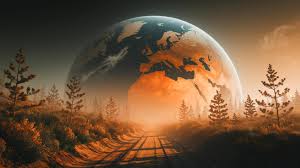
Introduction: A Breath of Trouble
Oxygen, one of the most essential elements for life on Earth, is quietly facing a serious crisis. While much attention is given to climate change and carbon dioxide levels, there is growing concern about the gradual decline in atmospheric oxygen levels worldwide. Though the decrease is not immediately life-threatening, its long-term impact could be devastating if not addressed.
This post will dive deep into the status of global oxygen, how it affects life, why we should be concerned, and what we can collectively do to protect our future generations.
The Role of Oxygen in Earth’s Atmosphere
Oxygen makes up about 21% of Earth’s atmosphere, and it is crucial for:
- Human and animal respiration
- Combustion processes
- Supporting plant life through cellular respiration
- Sustaining marine ecosystems
Unlike carbon dioxide, which is produced through combustion and industrial activity, oxygen is replenished mainly by photosynthesis, a process carried out by plants, trees, algae, and phytoplankton.
Why Are Oxygen Levels Declining?
According to recent scientific studies, oxygen levels in Earth’s atmosphere have been slowly but steadily declining for the past few decades. The key reasons include:
- Deforestation
Forests, particularly rainforests like the Amazon, are called the “lungs of the Earth.” Massive deforestation has reduced the number of trees contributing to oxygen production. - Ocean Deoxygenation
The world’s oceans produce more than 50% of the Earth’s oxygen through marine plants like phytoplankton. However, rising sea temperatures, ocean acidification, and pollution are damaging these organisms. - Industrial Pollution & Fossil Fuels
Excessive burning of fossil fuels not only increases CO₂ but also displaces oxygen in the atmosphere. This leads to a gradual imbalance in the air composition. - Climate Change and Global Warming
Changes in climate patterns disrupt natural ecosystems and reduce the efficiency of oxygen-producing mechanisms.
Impact on Life: Present and Future Risks
While current oxygen depletion levels are not immediately alarming for humans, future projections show serious concerns. Here’s how declining oxygen could affect us:
1. Human Health Risks
Low oxygen environments can lead to:
- Breathing difficulties
- Fatigue and decreased productivity
- Increased risk of respiratory and cardiovascular diseases
- Higher mortality rates in vulnerable groups (elderly, infants, people with asthma)
2. Marine Life Collapse
Ocean deoxygenation threatens marine biodiversity. Fish and other aquatic animals rely on dissolved oxygen to survive. Reduced oxygen levels lead to “dead zones” where no life can thrive.
3. Agricultural Decline
Plants also need oxygen for root respiration. Soil degradation and poor air quality affect plant growth and crop yields, potentially threatening global food supplies.
4. Ecosystem Imbalance
A disrupted oxygen cycle means many species will struggle to survive, leading to extinction and loss of biodiversity, key components of ecological balance.
How Will Life Become Dangerous in the Coming Days?
If current trends continue, here’s a snapshot of what the future might look like:
- Urban areas will experience increased smog and decreased air quality.
- Coastal communities may see a decline in fisheries, affecting local economies.
- More wildfires are due to increased temperatures and dry forests.
- Heatwaves and natural disasters will become more common, further damaging oxygen-producing ecosystems.
In short, the danger lies not just in a lack of oxygen, but in the cascade of ecological and health problems that accompany it.
What Can We Do to Protect Future Lives?
Although the issue seems overwhelming, there are powerful steps we can take to reverse the damage and secure a better future.
1. Reforestation and Afforestation
Support initiatives that plant trees and restore forests. Trees are natural oxygen factories and carbon sinks.
2. Sustainable Living
Reduce your carbon footprint:
- Use public transport or electric vehicles
- Cut down on meat consumption
- Recycle and reduce waste
- Use energy-efficient appliances
3. Protect Marine Ecosystems
Avoid single-use plastics, support ocean-cleanup initiatives, and be mindful of products that harm marine life.
4. Advocate for Policy Change
Support environmental laws and politicians committed to climate action and oxygen preservation.
5. Educate and Spread Awareness
Use platforms like social media and blogs to spread awareness about the importance of oxygen and how we can protect it.
A Call to Action
The decreasing levels of oxygen on Earth are a silent warning sign. While the effects may not be instantly catastrophic, ignoring them will result in irreversible damage to life as we know it. Our future generations depend on the actions we take today.
Let’s come together as a global community to protect the very air we breathe. Plant more trees, protect the oceans, and reduce pollution. The Earth has given us life, it’s time we give back.
Conclusion: Hope Through Action
Despite the grim statistics, there is still hope. Through collective awareness, sustainable practices, and environmental stewardship, we can reverse the trend of oxygen depletion. It’s not too late to save the Earth for ourselves and for the countless generations to come.