NCAA Tournament Bracket 2026: 68 Teams Battle for Glory
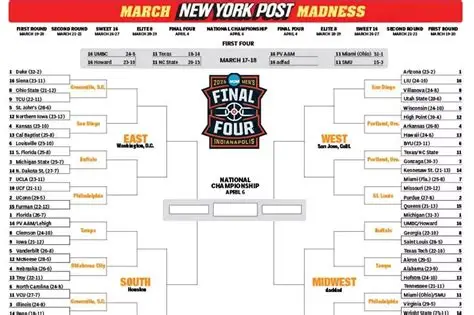
March Madness has arrived. The 2026 NCAA Tournament bracket is set, and 68 teams now hold the key to basketball immortality. This isn’t just a tournament—it’s a three-week journey where dreams are realized, legends are born, and the impossible becomes routine. The upside of March Madness isn’t merely entertainment. It’s the annual reminder that in sports, as in life, preparation meets opportunity in the most spectacular ways.
Duke enters as the No. 1 overall seed, but history teaches us that seeds are suggestions, not guarantees. The Blue Devils, Arizona, Michigan, and Florida occupy the top line, each carrying championship aspirations and the burden of expectation. Yet the beauty of this bracket lies in its uncertainty. Every year, Cinderellas emerge. Every year, giants fall. Every year, someone writes a story they will tell for generations.
The Power of the Bracket
The NCAA Tournament bracket is more than a scheduling tool. It’s a narrative architecture that transforms 68 teams into a single coherent drama. The First Four in Dayton opens the tournament on March 17-18, giving eight teams one final chance to dance. The first round follows on March 19-20, with 32 games across four days that redefine basketball consumption.
The upside of this structure is accessibility. Games air across CBS, TBS, TNT, and truTV, creating a smorgasbord of matchups from noon until midnight. The March Madness Live app streams every game, ensuring no moment is missed. Whether you’re a die-hard fan or casual observer, the bracket provides entry points, storylines, and stakes that transform March into the most compelling month in American sports.
The No. 1 Seeds: Favorites with Flaws
Duke claims the top overall seed behind a 32-2 record and the star power of Cooper Flagg. The Blue Devils represent the gold standard of college basketball, a program where excellence is expected and anything less is failure. Their path through the East Region includes potential matchups against Ohio State, Kansas, and UConn—a gauntlet that will test their championship credentials.
Arizona, the West Region’s top seed, brings a 32-2 record and the motivation of reaching their first Final Four since 2001. The Wildcats’ balance and depth make them formidable, but the West is loaded with threats including Purdue, Gonzaga, and BYU.
Michigan carries the Big Ten’s banner as the Midwest’s No. 1 seed, though their loss to Purdue in the conference championship game cost them the overall top spot. The Wolverines’ 31-3 record and +325 betting odds suggest they’re legitimate contenders, but the Midwest bracket features dangerous opponents like Iowa State, Alabama, and Kentucky.
Florida, the defending national champion, seeks to become only the second school to win back-to-back titles twice, joining John Wooden’s UCLA dynasty. Their 26-7 record and SEC tournament stumble raise questions, but championship experience provides intangible advantages that statistics cannot capture.
The Upset Potential: Where Magic Happens
The true upside of March Madness lies in its unpredictability. Every bracket contains matchups where seeds mean nothing and momentum means everything. The 2026 tournament offers several tantalizing upset possibilities.
No. 12 High Point enters with a 30-4 record against No. 5 Wisconsin. The Panthers’ dominance against lesser competition may not translate, but their confidence and cohesion create upset potential. No. 12 McNeese, with a 28-5 record, faces No. 5 Vanderbilt in a matchup of contrasting styles that could favor the underdog.
The First Four winners carry dangerous momentum. Texas and NC State battle for a No. 11 seed in the West, with the winner facing BYU. Miami (Ohio) and SMU compete for a Midwest No. 11 seed, with the victor challenging Tennessee. These play-in games are not mere preliminaries—they are opportunities for teams to establish rhythm and belief.
Cinderella Stories Waiting to Happen
Every March Madness produces unexpected heroes. The 2026 bracket offers several candidates for this year’s magical run.
Northern Iowa, the No. 12 seed in the East, faces No. 5 St. John’s in a matchup that could launch a memorable tournament journey. The Panthers’ tournament experience and defensive identity provide the foundation for bracket-busting potential.
South Florida, the No. 11 seed in the East, enters with a 25-8 record and AAC tournament championship. Their first tournament appearance since 2013 carries no burden of expectation, freeing them to play loose and aggressive against No. 6 Louisville.
Wright State, the No. 14 seed in the Midwest, faces No. 3 Virginia in a classic David-Goliath matchup. The Raiders’ 23-11 record and tournament pedigree suggest they won’t be intimidated by the Cavaliers’ pedigree.
The Strategic Upside: Bracketology as Art
Filling out a bracket is not gambling—it’s strategic forecasting with emotional investment. The upside of bracket pools lies in their democratization of expertise. Anyone can win. Statistical models, basketball intuition, and pure luck converge in a competition where the outcome remains uncertain until the final buzzer.
Successful bracket strategy requires balancing favorites with upsets. Picking all chalk guarantees mediocrity. Selecting too many upsets ensures early elimination. The sweet spot lies in identifying the right moments for boldness—usually in the 5-12 and 6-11 matchups where historical trends favor underdogs.
The 2026 bracket offers particular strategic complexity. The top four seeds all have legitimate championship cases, making Final Four selection challenging. The middle seeds feature experienced tournament teams with upset potential. The bottom seeds include high-major conference teams capable of surprising runs.
The Economic and Cultural Impact
March Madness generates billions in economic activity. Betting pools, advertising revenue, and tourism flow from the tournament’s gravitational pull. The upside extends beyond finance to cultural significance. The NCAA Tournament creates shared experiences that transcend team loyalties, uniting Americans in the collective drama of single-elimination basketball.
For participating schools, tournament success brings recruiting advantages, alumni engagement, and institutional prestige. A single upset can transform a program’s trajectory. A Final Four run can redefine a coach’s legacy. A championship changes everything.
The Journey to Indianapolis
The road to the Final Four at Lucas Oil Stadium on April 4-6 passes through regional sites that will host the drama of March. Houston and San Jose welcome the Sweet 16 and Elite Eight on March 26-29. Chicago and Washington D.C. host the other half of the bracket. These cities become temporary capitals of college basketball, hosting fans whose hopes ride on 18-22 year olds playing the biggest games of their lives.
The upside of this journey is narrative accumulation. Each round eliminates pretenders and validates contenders. Each victory adds pressure and expectation. Each defeat ends seasons and careers. By the time two teams meet for the national championship on April 6, they will have survived tests that forge champions.
Conclusion: The Upside of Madness
The 2026 NCAA Tournament bracket represents possibility. For Duke, Arizona, Michigan, and Florida, it offers validation of seasons spent pursuing perfection. For Cinderella candidates, it provides the stage for historic achievement. For fans, it delivers three weeks of unparalleled sporting drama.
The upside of March Madness is hope. Every team enters believing they can win six games. Every player dreams of hitting the shot that lives forever. Every fan fills out a bracket believing this is their year.