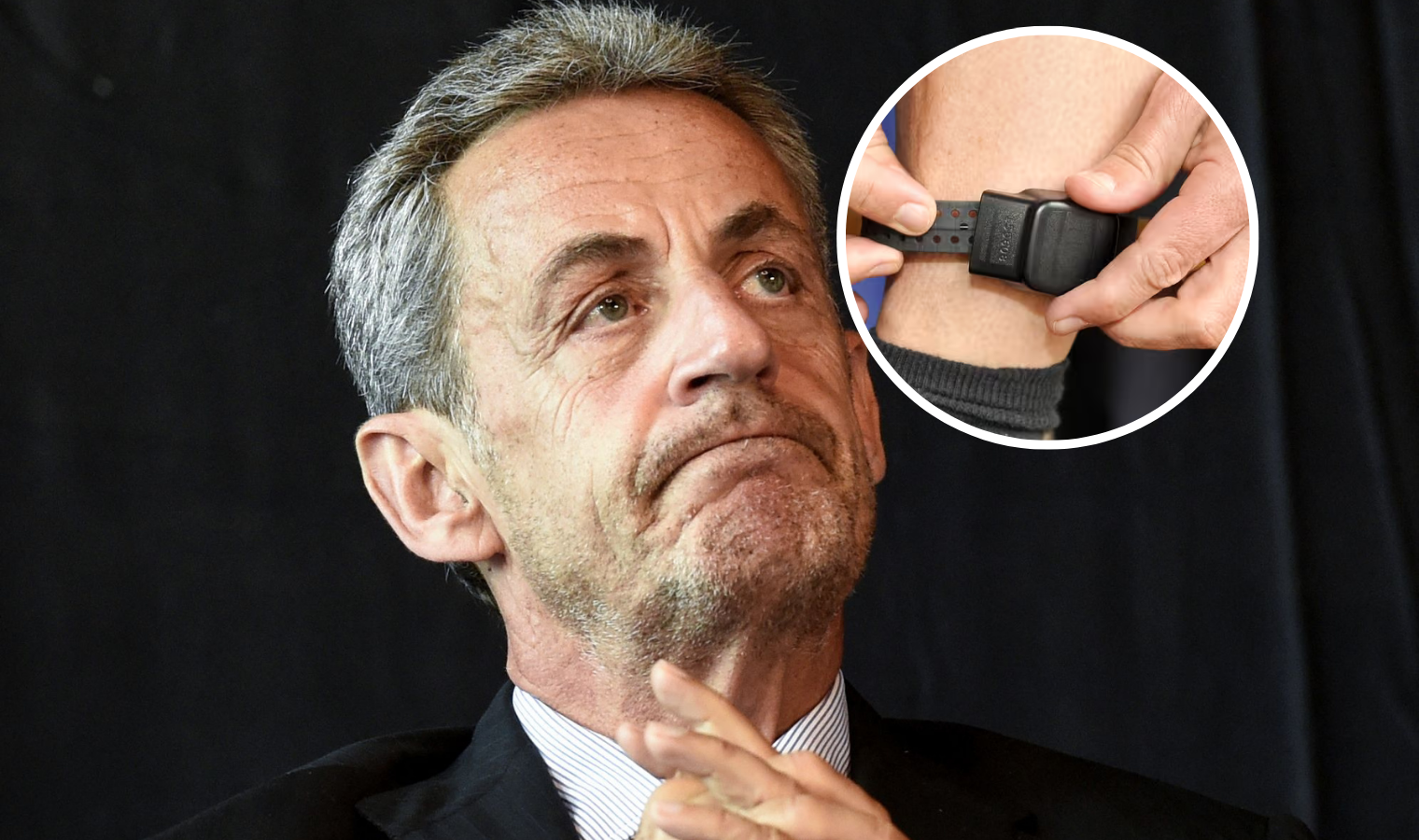
Paris, France, May 2025. Former French President Nicolas Sarkozy, once one of the most influential political figures in modern European history, has recently had his electronic monitoring bracelet (Nicolas Sarkozy bracelet électronique) removed after serving his sentence under house arrest. This development marks a significant chapter in the continuing legal saga of the first former president in French history to receive a custodial sentence.
In this comprehensive article, we explore the context, legal background, public reaction, and future implications surrounding the Nicolas Sarkozy bracelet and what it means for both French politics and the global view on political accountability.
Who Is Nicolas Sarkozy?
Nicolas Sarkozy served as the President of France from 2007 to 2012, representing the center-right Union for a Popular Movement (UMP), later renamed The Republicans. Known for his tough stance on immigration, economic reforms, and his close alignment with U.S. policies during his presidency, Sarkozy was both a popular and controversial figure.
Despite losing the 2012 re-election bid to François Hollande, Sarkozy remained active in political life, attempting a comeback in 2016, which ultimately failed. However, the shadows of multiple legal investigations continued to haunt him long after his political defeat.
The Legal Case Against Sarkozy
The “Wiretapping Case”
The “corruption and influence-peddling” charges against Sarkozy stemmed from a case that involved his attempts to obtain classified information from a senior magistrate through his lawyer. The court alleged that Sarkozy and his attorney sought insider information regarding another case in which Sarkozy was implicated, related to illegal campaign financing from L’Oréal heiress Liliane Bettencourt.
After years of investigation and legal procedures, Sarkozy was convicted in March 2021, receiving a three-year prison sentence, two of which were suspended. The remaining year was to be served under house arrest, facilitated through an electronic bracelet—a method increasingly used in France for non-violent offenders.
Electronic Monitoring: What Is It?
The bracelet électronique is a digital monitoring device worn around the ankle or wrist, connected to a central monitoring system that tracks the location of the convict. In Sarkozy’s case, the device ensured that he complied with restrictions, including curfews and spatial boundaries.
Electronic bracelets are widely seen as a humane alternative to prison, especially for white-collar and non-violent crimes. They allow individuals to serve their sentence from home while reducing prison overcrowding.
In Sarkozy’s situation, the use of an electronic bracelet rather than incarceration reflected the French judiciary’s balancing act between enforcing the rule of law and maintaining the dignity of a former head of state.
Bracelet Removed: Sentence Completed
In May 2025, French judicial authorities confirmed that Nicolas Sarkozy’s electronic bracelet had been officially removed, signaling the end of his sentence.
According to sources close to the former president, the removal happened without ceremony, and Sarkozy is now free to move without any legal constraints. However, while his bracelet électronique has been removed, the legal battles are far from over. Sarkozy is still involved in separate ongoing investigations, including those related to the Libyan financing of his 2007 presidential campaign.
Public Reaction to Sarkozy’s Bracelet and Sentence
Public opinion in France remains deeply divided over Sarkozy’s legal troubles. While some view the conviction as a victory for justice and an example of how no one is above the law, others believe the legal system has been excessively harsh on a former president who served the country.
The symbolism of a French president wearing a bracelet électronique was powerful and unprecedented. Media coverage ranged from sensationalism to serious debate on judicial ethics, political vendettas, and institutional accountability.
Social media was ablaze with commentary at the time of Sarkozy’s conviction, and now, again, with the news of the bracelet being removed, the topic has resurfaced with varying tones of relief, sarcasm, and even support.
Sarkozy’s Response and Future Plans
Throughout the legal proceedings, Nicolas Sarkozy has maintained his innocence. In public statements and interviews, he described the investigations as politically motivated and portrayed himself as a victim of judicial overreach.
Following the removal of his bracelet électronique, Sarkozy has expressed gratitude for his supporters and emphasized a desire to focus on his memoirs, family, and public speaking engagements.
Although there is little indication that he will return to frontline politics, Sarkozy remains an influential voice in conservative political circles in France and Europe. His experience with the legal system, both as a leader and as a convict, will likely become a key part of his legacy and future writings.
Legal and Political Implications
The Sarkozy case has broader implications beyond just one man. It underscores the independence of the French judiciary, which has shown a willingness to prosecute powerful figures regardless of their status.
Other French politicians—like former Prime Ministers François Fillon and Alain Juppé—have also faced legal scrutiny in recent years, signaling a shift toward increased transparency and legal accountability in French governance.
Internationally, the case has drawn comparisons to prosecutions of other leaders such as Silvio Berlusconi in Italy or the legal challenges facing Donald Trump in the United States. The common thread: the tension between political power and legal responsibility.
Will Sarkozy Regain Political Ground?
While the electronic bracelet has been removed, Sarkozy’s political career remains in limbo. He remains barred from holding public office for a period, and his party, the Republicans, has moved on with new leadership.
However, as someone who has bounced back before, Sarkozy may still wield influence behind the scenes, especially as France navigates future elections. His base of loyal supporters continues to see him as a strong, charismatic leader unfairly targeted by the system.
Conclusion
The removal of Nicolas Sarkozy’s electronic bracelet marks the end of a legal sentence but not his complex legacy. A former president serving a sentence through electronic monitoring is a rare sight in any country, and it speaks volumes about the maturation of French democratic institutions.
For observers of politics and justice, Sarkozy’s case will remain a landmark in how modern democracies deal with powerful individuals. Whether he returns to public life or retreats into private influence, Sarkozy’s name will forever be tied to one of the most dramatic political-legal stories in France’s recent history.