Introduction: When Breath Becomes a Turning Point
Pulmonary embolism is a condition that arrives suddenly, often without warning, and demands immediate attention. It can feel frightening, overwhelming, and life-altering. Yet within the seriousness of pulmonary embolism lies an important truth that deserves to be emphasized with clarity and hope: pulmonary embolism is treatable, survivable, and increasingly well-managed with modern medicine.
Today, greater awareness, faster diagnosis, and advanced treatments have transformed outcomes. Millions of people across the world not only survive pulmonary embolism, but go on to live full, strong, meaningful lives. This is a story not only about risk, but about resilience, recovery, and renewed appreciation for life.
Understanding Pulmonary Embolism Clearly and Simply
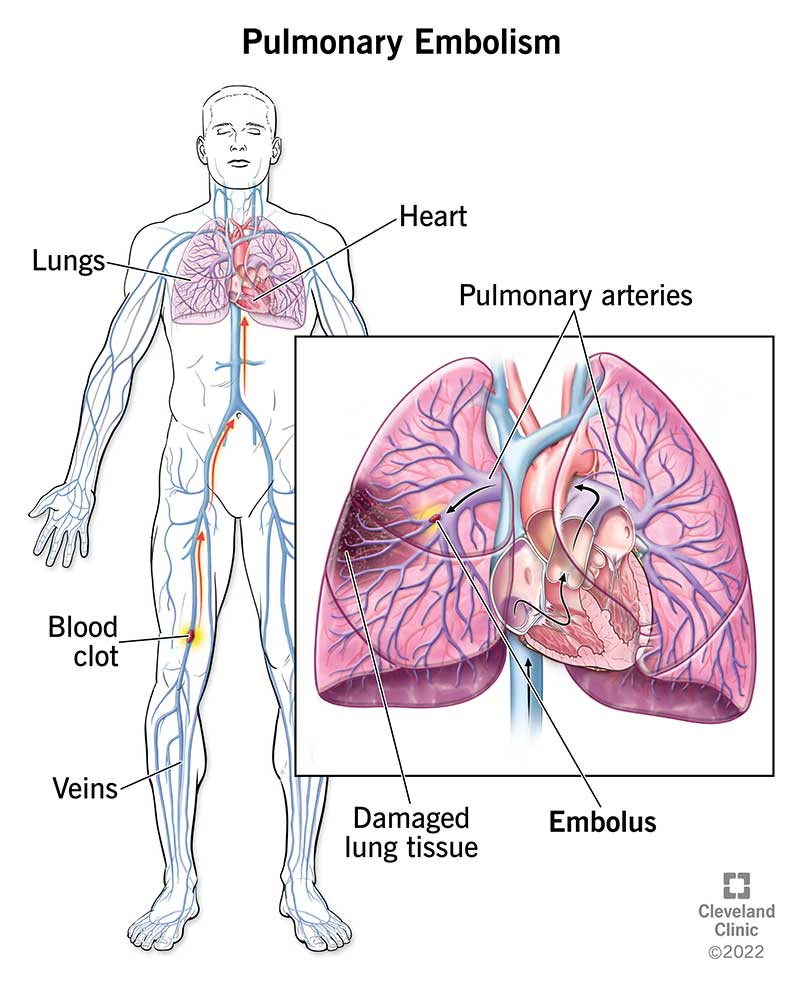
Pulmonary embolism occurs when a blood clot travels to the lungs and blocks blood flow in one or more pulmonary arteries. Most often, the clot originates in the legs and moves upward through the bloodstream. When it reaches the lungs, it can interfere with oxygen exchange and place strain on the heart.
Despite how serious this sounds, the body has remarkable capacity to heal when supported by timely medical care. With modern imaging, blood tests, and clinical awareness, pulmonary embolism is identified earlier than ever before. This early detection is a cornerstone of positive outcomes.
The Power of Early Recognition
One of the most hopeful aspects of pulmonary embolism today is how far awareness has come. Medical professionals are trained to recognize warning signs quickly, and public education has improved recognition among patients as well.
Early recognition leads to rapid intervention. Rapid intervention saves lives. This simple chain has transformed pulmonary embolism from a frequently fatal condition into one with high survival rates when treated promptly.
Every advance in education, emergency response, and hospital protocols has tilted the balance toward recovery and survival.
Modern Treatment Has Changed the Story
Treatment for pulmonary embolism has evolved dramatically. Today’s medical approaches are effective, precise, and tailored to each individual’s needs.
Blood-thinning medications help prevent clots from growing and allow the body to dissolve them naturally. In more severe cases, targeted therapies remove or break down clots directly, restoring blood flow and reducing strain on the heart and lungs.
These treatments are supported by careful monitoring and follow-up care, ensuring safety and long-term stability. What was once a crisis with limited options is now a condition managed with confidence and expertise.
Recovery Is Real and Achievable
Recovery after pulmonary embolism is not only possible, it is common. Many individuals return to work, family life, travel, exercise, and personal goals after treatment. Recovery may take time, but progress is steady and meaningful.
The lungs are resilient organs. With proper care, they adapt and regain strength. Energy returns. Breathing becomes easier. Confidence grows again.
For many survivors, recovery becomes a period of reflection and renewed purpose. It is often described as a turning point that inspires healthier habits, deeper self-care, and appreciation for life’s everyday moments.
Emotional Strength and Mental Healing
Pulmonary embolism affects more than the body. It can challenge emotional well-being, confidence, and sense of safety. Acknowledging this emotional journey is part of healing.
Support from healthcare providers, family, and community plays a powerful role in recovery. Reassurance, education, and gradual rebuilding of trust in one’s body help restore peace of mind.
Many survivors emerge stronger, more self-aware, and more connected to their health than ever before. This emotional resilience becomes a lasting strength long after physical recovery is complete.
Prevention and Long-Term Wellness
One of the most encouraging aspects of pulmonary embolism care is the emphasis on prevention and long-term wellness. After diagnosis and treatment, individuals often receive clear guidance on maintaining healthy circulation and reducing future risk.
Movement, hydration, medical follow-ups, and personalized care plans empower people to actively protect their health. Knowledge replaces fear. Awareness replaces uncertainty.
This proactive approach gives individuals control and confidence, transforming a past health crisis into a foundation for future well-being.
Advances in Medicine Offer Hope
Medical research continues to advance rapidly in the field of clot prevention and treatment. New medications, refined imaging techniques, and improved risk assessment tools are enhancing patient outcomes every year.
Hospitals now use coordinated care teams that specialize in clot management, ensuring fast and effective treatment decisions. These advancements mean that outcomes continue to improve, and survival rates continue to rise.
Pulmonary embolism is no longer a condition defined only by danger. It is increasingly defined by medical precision, patient support, and recovery success.
Living Fully After Pulmonary Embolism
Life after pulmonary embolism can be vibrant and fulfilling. Survivors often return to the activities they love, guided by medical advice and self-awareness. Exercise, travel, work, and family life remain possible and meaningful.
Many individuals describe a renewed sense of gratitude and purpose. Surviving a serious health event can sharpen priorities and deepen appreciation for health, relationships, and time.
Pulmonary embolism becomes part of a personal story — not the end of it.
Community, Awareness, and Shared Strength
Awareness saves lives. Conversations about pulmonary embolism help reduce fear, encourage early care, and empower people to recognize symptoms promptly.
Survivor communities, patient advocacy, and educational initiatives continue to spread knowledge and hope. Each shared story reinforces a powerful message: pulmonary embolism can be overcome.
This collective strength transforms individual survival into shared progress.
The Upside: Why Hope Is Justified
The upside of pulmonary embolism lies in what medicine, awareness, and human resilience have achieved together:
- Early diagnosis dramatically improves outcomes
- Modern treatments are highly effective
- Recovery is common and meaningful
- Long-term wellness is achievable
- Emotional strength grows alongside physical healing
Pulmonary embolism is serious, but it is not a life sentence. It is a medical challenge that modern healthcare is increasingly well-equipped to manage.
Conclusion: Strength in Survival
Pulmonary embolism represents one of life’s most unexpected challenges, yet it also reveals the extraordinary capacity of the human body and spirit to recover. Through awareness, medical innovation, and compassionate care, countless lives are saved every year.
This condition teaches the value of listening to the body, seeking care without delay, and trusting in the power of modern medicine. It reminds us that even when breath feels uncertain, hope remains strong.