The latest Strait of Hormuz news is being closely followed around the world because the narrow waterway remains one of the most important energy and shipping routes on Earth.
As of September 30, 2026, the situation remains connected to the wider conflict involving Iran and the United States, while diplomatic efforts and measures to restore commercial movement continue. Recent reporting indicates that crude flows through the strait have recovered substantially from their lowest levels, although shipping risks, insurance costs and geopolitical uncertainty remain significant.
The Strait of Hormuz connects the Persian Gulf with the Gulf of Oman and the wider Arabian Sea. Its location makes it essential to major oil and gas exporters, including several Gulf states.
Despite the continuing challenges, there are also constructive developments. Increased oil movement, coordinated maritime activity and continuing diplomatic efforts demonstrate that international trade routes can begin rebuilding even after severe disruption.
Strait of Hormuz News: The Latest Situation
Recent developments show a complicated but changing picture.
Oil flows through the Strait of Hormuz have recovered toward a substantial portion of their previous levels. Al Jazeera reported on September 30 that crude flows had recovered, while tanker insurance costs and geopolitical risks remained obstacles to a complete return to normal shipping.
Other reporting indicated that oil flows were around 77% of pre-war levels, suggesting that the waterway is carrying considerably more energy than during the most severe phase of the disruption.
This recovery matters because the Strait is deeply connected to international energy markets.
More ships moving through the waterway means more oil and other commodities can reach global consumers, provided that maritime safety conditions continue to improve.
The Strait Remains Vital to Global Energy
The importance of the Strait of Hormuz cannot be separated from its role in international energy transportation.
U.S. Energy Information Administration data show that the strait handled an average of 20.9 million barrels per day of oil flows in the first quarter of 2025, before the major disruptions of 2026. The EIA estimated that flows fell sharply during the second quarter of 2026 amid the conflict and uncertainty.
The same EIA data show that the waterway also carries substantial liquefied natural gas volumes.
This explains why developments in Hormuz can affect markets far beyond the Middle East.
Energy companies, shipping firms, governments, manufacturers and consumers all watch the waterway because changes in transportation can influence fuel costs, freight expenses and broader economic conditions.
Oil Flows Are Showing Signs of Recovery
One of the most encouraging developments in the latest Strait of Hormuz news is the return of a significant portion of energy flows.
Recent reports indicate that Gulf producers have continued moving large quantities of crude despite the security environment. Military escorts and alternative logistical arrangements have helped support some tanker movements.
The recovery is important because energy markets respond not only to actual shortages but also to expectations about future supply.
When traders see greater quantities moving through a major energy corridor, concerns about prolonged shortages can ease.
That can help reduce some of the pressure created by uncertainty.
The situation remains fluid, but the return of substantial flows represents an important sign of resilience.
Shipping Traffic Remains Below Normal
While oil flows have improved, commercial shipping traffic remains below the levels seen before the conflict.
Reuters reported on September 24 that only 10 commodity vessels transited the Strait on the previous day, compared with a 10-day average of around 17. The report also noted that traffic before the February 28 conflict was around 125 large commercial vessels per day, although the figures are not directly comparable because the latest data covered a narrower set of commodity vessels and tracking systems have become less reliable.
Earlier in September, Reuters also reported a major decline in vessel movements, with preliminary data showing only two commodity vessels crossing on September 21 compared with 10 the previous day.
These figures highlight an important distinction.
Energy flows can recover before normal commercial shipping fully returns.
The restoration of confidence among shipowners, insurers, crews and cargo operators can take longer than the physical reopening of a maritime route.
Maritime Safety Remains a Major Priority
Behind every tanker and cargo vessel is a crew whose safety depends on stable maritime conditions.
The International Maritime Organization has placed significant attention on the welfare of seafarers affected by the crisis.
The IMO reported in September that approximately 20,000 seafarers, port workers and offshore crews were affected by the situation in the region. It also recorded evacuations of stranded seafarers earlier in the year.
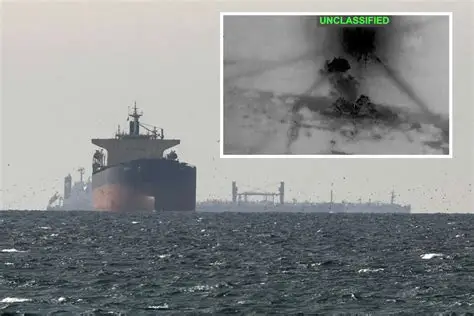
On September 16, the IMO said it had verified 80 attacks on merchant vessels in and around the Strait since the conflict began, resulting in at least 22 seafarer deaths. The organization called for an end to attacks against merchant ships and emphasized the protection of innocent seafarers.
These developments underline an important humanitarian dimension of the Strait of Hormuz story.
Restoring safe maritime commerce is not simply an economic objective. It is also about protecting the people who keep global trade moving.
International Coordination Is Supporting Recovery
The latest developments demonstrate the importance of international coordination.
Shipping companies, naval forces, port authorities, energy producers and international organizations all have different roles in maintaining safe movement.
Recent reporting indicates that U.S.-supported tanker movements have contributed to increased oil volumes leaving the Gulf.
Such measures do not eliminate the underlying risks, but they demonstrate how coordination can help sustain essential economic activity during periods of instability.
The gradual return of commercial movement also provides valuable information to governments and businesses planning their next steps.
Diplomacy Remains an Important Part of the Story
The Strait of Hormuz situation is also connected to diplomatic efforts involving Iran, the United States and regional intermediaries.
The Associated Press reported on September 28 that mediators were working to facilitate indirect negotiations aimed at resolving the conflict and reopening the waterway under more stable conditions. Oman and Qatar have been involved in diplomatic efforts.
The diplomatic track is important because long-term maritime stability depends on more than temporary shipping arrangements.
A sustainable return to normal trade requires confidence that commercial vessels can move without facing unacceptable risks.
Diplomacy can therefore play an important role alongside maritime and economic measures.
The Global Energy Market Is Watching Closely
The Strait of Hormuz is particularly important for energy markets because disruptions can influence crude oil prices and expectations.
During a major shipping disruption earlier in September, Reuters reported that Brent crude futures moved above $100 per barrel for the first time since July.
The relationship between shipping disruption and oil prices is complex.
Markets respond to physical supply, inventories, expected production, transportation costs, insurance, geopolitical risk and consumer demand.
As flows recover, some of the risk premium associated with prolonged disruption can also ease.
This makes the restoration of shipping capacity an important development for global energy stability.
Alternative Export Routes Provide Additional Resilience
The 2026 crisis has also highlighted the importance of alternative routes and infrastructure.
Oil producers in the Gulf have access to pipelines, ports and other logistical systems that can sometimes allow part of their exports to bypass the Strait.
However, alternative routes cannot necessarily replace the full capacity of Hormuz.
That is why diversification is becoming an increasingly important theme in global energy planning.
The ability to use multiple routes, maintain strategic inventories and improve infrastructure can help reduce vulnerability when a single chokepoint experiences disruption.
Strategic Energy Reserves Offer Another Layer of Protection
Strategic petroleum reserves are another important part of the global response to energy disruptions.
The EIA’s August 2026 data showed significant strategic oil inventories held by major economies, including China, the United States, Japan and several European countries.
These reserves exist partly to provide a buffer during major disruptions.
They do not eliminate the consequences of a shipping crisis, but they can provide governments with additional time to respond.
The existence of strategic reserves demonstrates how energy security is built through multiple layers rather than a single solution.
Technology Is Changing Maritime Monitoring
Modern shipping depends heavily on technology.
Automatic Identification System data, satellite monitoring and tanker-tracking platforms provide governments and commercial organizations with information about vessel movement.
However, the reliability of these systems can be affected when ships turn off or manipulate their AIS signals for security reasons.
The EIA has noted that AIS data for vessels transiting Hormuz became particularly unreliable after the beginning of the 2026 conflict, requiring additional analysis and frequent revisions to estimates.
This makes satellite technology, port information and independent tracking increasingly important.
Better data can help businesses make more informed decisions and improve situational awareness.
The Strait of Hormuz Is Also a Human Story
News coverage often focuses on oil prices, tankers and geopolitics.
But the Strait of Hormuz is also about people.
Seafarers spend extended periods away from their families. Port workers keep terminals functioning. Engineers maintain infrastructure. Pilots guide ships through demanding waterways. Logistics workers coordinate cargo across continents.
The IMO’s focus on the wellbeing of seafarers highlights the human cost of prolonged maritime uncertainty.
Protecting these workers is an essential part of restoring global trade.
A safer maritime environment benefits not only companies and governments but also thousands of workers whose livelihoods depend on international shipping.
Global Trade Continues to Adapt
The 2026 disruption has demonstrated the adaptability of the global trading system.
Companies have adjusted routes, reassessed inventories, monitored freight conditions and explored alternative transportation options.
Energy producers have searched for ways to maintain exports.
Governments have evaluated strategic reserves and alternative supply arrangements.
Shipping operators have assessed risks and adjusted their operations.
This adaptability is one of the strongest positive lessons from the current situation.
Global trade is vulnerable to major chokepoints, but it is also capable of adapting when circumstances change.
The Strait of Hormuz and Future Energy Security
The current crisis is likely to influence energy-security planning for years.
Governments and companies may place greater emphasis on:
- Diversifying energy supply
- Expanding alternative export routes
- Improving strategic reserves
- Strengthening maritime safety
- Developing better vessel-tracking systems
- Protecting critical infrastructure
- Supporting seafarer safety
- Improving international coordination
- Expanding renewable energy capacity
These measures can reduce vulnerability over time.
The transition does not happen overnight, but major disruptions often accelerate investment in resilience.
A Positive Sign for Global Stability
The most constructive element in the latest Strait of Hormuz news is the gradual return of meaningful energy flows.
The situation remains dangerous and uncertain, but increased movement demonstrates that commercial systems can recover when security arrangements, infrastructure and international coordination begin working together.
Recent reporting that crude flows have reached a substantial share of pre-war levels provides evidence of this recovery.
At the same time, continuing diplomatic engagement provides another potential pathway toward greater stability.
These developments do not mean that the crisis is resolved.
They do show that recovery is possible.
Final Thoughts
The latest Strait of Hormuz news presents a complex picture of disruption, resilience and gradual recovery.
Shipping traffic remains below pre-conflict levels, maritime risks continue to affect crews and operators, and geopolitical tensions remain significant. Yet oil flows have recovered considerably from their lowest levels, international organizations continue supporting seafarers, commercial operators are adapting, and diplomatic efforts remain active.
The Strait of Hormuz will remain an important indicator of global energy and trade conditions.
Its future stability matters far beyond the Gulf because energy markets, shipping networks and international economies are deeply connected.
The strongest lesson from the current situation is the importance of resilience.
The road back to normality may take time, but the recovery in energy movement demonstrates that even under extraordinary pressure, international commerce can adapt and rebuild.
Reference
Daily Talks Web: Daily Talks Web