Tiger Woods Crash: No Injuries, Wake-Up Call for Recovery
The crash happened in seconds. The impact could have lasted forever. On March 27, 2026, Tiger Woods’ Range Rover rolled over on Jupiter Island, Florida, after clipping a truck at high speed. The golf legend, already battling injuries that have derailed his comeback, emerged from the passenger side of his overturned vehicle alive and unhurt. No one else was injured. The road was clear of oncoming traffic. What could have been tragedy became intervention.
The upside of this terrifying incident is survival. It’s the absence of catastrophic injury. It’s the opportunity for mandatory assessment and potential treatment. It’s the wake-up call that years of pain management, surgeries, and prescription medications have created a dangerous pattern. For a man who has survived career-ending injuries, personal scandals, and a 2021 crash that nearly cost him his leg, this latest incident offers something previous crises didn’t: a chance to address the root causes before they destroy everything.
The Miracle of No Injuries
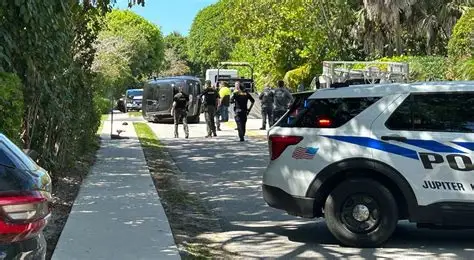
The facts are stark. Woods was driving at high speed on a two-lane road with a 30 mph speed limit. He attempted to pass a truck pulling a pressure cleaner trailer. He clipped the trailer. His vehicle rolled onto the driver’s side and slid “for a pretty decent space” before stopping . The SUV was totaled. The scene showed skid marks and debris.
Yet Woods climbed out through the passenger door. The truck driver was unharmed. No other vehicles were involved. Sheriff John Budensiek’s words carry weight: “Had there been somebody moving in the opposite direction, we would not be having a conversation saying there were no injuries. This could’ve been a lot worse” .
The upside is life preserved. At 50, with a body that has endured seven back surgeries, a ruptured Achilles, and the catastrophic 2021 leg injuries, Woods survived another crash. The physical resilience that made him the greatest golfer of his generation may have saved his life. The empty road, the timing, the angle of impact—all converged to prevent the tragedy that seemed inevitable.
The Legal Process as Intervention
Woods was arrested for DUI, property damage, and refusal to submit to a lawful test. He blew 0.00 on the breathalyzer—no alcohol—but showed signs of impairment that deputies attributed to “some type of medication or drug” . He refused a urinalysis. He was cooperative but careful not to incriminate himself .
The upside is accountability. The legal system, treating Woods like any other driver regardless of his fame, provides structure for addressing substance issues. The eight-hour mandatory hold, the court dates, the potential treatment requirements—these create intervention that friends and family may have been unable to provide.
This is Woods’ third vehicle-related incident: the 2009 crash that began his personal unraveling, the 2017 DUI arrest where he was found with five drugs in his system, and the 2021 crash that shattered his leg . The pattern is clear. The legal system now has opportunity to mandate change.
The History That Informs the Present
Woods’ relationship with prescription medication is documented. After his 2017 arrest, he pleaded guilty to reckless driving and received a year of probation. He entered a diversion program. He claimed “an unexpected reaction to prescribed medications” . The toxicology report told a different story: Vicodin, Dilaudid, Xanax, Ambien, and THC.
The 2021 crash in Los Angeles was even more severe. Woods’ SUV crossed a median, rolled multiple times, and left him trapped. He suffered “open fractures” to his lower right leg, required a rod in his tibia, screws and pins in his foot and ankle. Doctors considered amputation. Woods later said it was “50-50” whether he would keep his leg .
The upside of survival is perspective. Woods has said, “I’m lucky to be alive and also have a limb” . He has fought through pain that would have ended lesser athletes’ careers. He returned to professional golf, however briefly, in March 2026—playing in the TGL finals just three days before this latest crash . This resilience, misdirected toward athletic comeback rather than health management, now must turn toward genuine recovery.
The Opportunity for Genuine Recovery
Woods’ recent medical history is a cascade of interventions that didn’t address underlying issues. The ruptured Achilles in March 2025. The back surgery in October 2025. The prescription medications that manage pain but impair judgment. The attempt to return to competitive golf despite physical warnings.
The upside of this crash is forced pause. The Masters, which Woods had been targeting for his return, is now impossible. President Trump, a close friend, announced on Fox News before the crash that Woods would not play at Augusta . The legal process will require attention. The medical establishment will assess his fitness to drive, to compete, to manage his medications.
This pause creates space for treatment that previous crises didn’t. The 2017 arrest resulted in probation and diversion. The 2021 crash resulted in surgeries and rehabilitation. Neither addressed the dependency that appears to drive these incidents. This third event, with its legal consequences and public scrutiny, may finally provide the external pressure necessary for genuine intervention.
The Support System That Remains
Woods is not alone. His children—Sam and Charlie—provide motivation for recovery. His mother, Tida Woods, has been his foundation through every crisis. His agent, Mark Steinberg, has managed fallout from previous incidents. His friend network, including fellow athletes and celebrities, offers resources for treatment.
President Trump’s immediate response demonstrated personal concern: “I feel so badly. He’s got some difficulty. There was an accident and that’s all I know. Very close friend of mine. He’s an amazing person, amazing man. But some difficulty” . This support, offered before the DUI charges were public, suggests Woods has relationships that transcend his golfing achievements.
The upside is community. Woods has people who care about him beyond his championships. The legal and medical systems now involved have opportunity to coordinate care that addresses his physical pain, his medication management, and his psychological wellbeing. This comprehensive approach, mandated by circumstances, offers better outcomes than the fragmented responses to previous incidents.
The Legacy That Hangs in Balance
Woods’ golfing legacy is secure: 15 major championships, 82 PGA Tour wins, tied with Sam Snead for most all-time, 683 weeks as world number one, World Golf Hall of Fame induction . But his personal legacy—how he manages the aftermath of his playing career—remains unwritten.
The upside is narrative redemption. Woods has transformed his story before: from prodigy to dominant champion, from scandal-ridden fall to 2019 Masters resurrection, from crippled survivor to competitive golfer. Each chapter required confronting uncomfortable truths and making difficult changes.
This latest chapter, however dark its opening, offers similar opportunity. Woods can demonstrate that even the greatest athletes face health challenges requiring humility and help. He can model that prescription medication dependency is treatable, not shameful. He can show that third chances exist for those willing to do the work.
Conclusion: The Upside of Survival
Tiger Woods’ March 27, 2026 crash is not a tragedy. It is a warning that was heeded by fate, not by choice. The empty road, the survivable impact, the absence of other victims—these are gifts that create opportunity rather than close doors.
The upside is the chance to stop. To assess. To accept that the current path of pain management and competitive return is unsustainable. To address the medication issues that have now resulted in three vehicle incidents spanning 17 years. To prioritize health over legacy, longevity over tournaments, life over golf.
Woods has survived career-threatening injuries, personal scandals, and now a third major vehicle crash. His resilience is proven. What remains unproven is his willingness to apply that resilience to recovery rather than return. This crash, with its legal consequences and public exposure, may finally provide the external structure necessary for internal change.