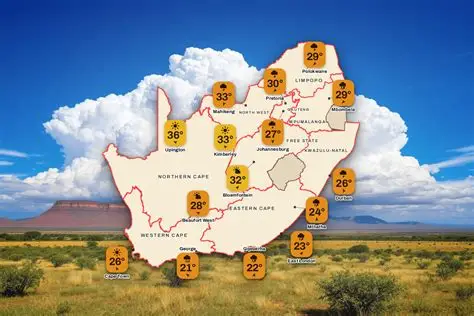
Weather is one of the most powerful parts of everyday life. From bright sunshine and refreshing rainfall to cold winter mornings and powerful storms, changing atmospheric conditions shape the world around us. Weather influences what people wear, how they travel, what farmers grow and how communities prepare for the days ahead.
Every sunrise brings a new atmosphere, and every change in temperature, wind or rainfall can create opportunities and challenges. A sunny day can encourage outdoor activities, while rainfall can refresh the land and support agriculture. Even cloudy skies play an important role in the natural balance of the planet.
Understanding weather is not simply about checking whether it will rain or shine. It is about learning how Earth’s atmosphere works, recognizing changing conditions and using reliable forecasts to make better decisions.
With modern technology, weather information has become more accessible than ever. Forecasts, satellites and advanced computer models help people prepare for changing conditions and protect their homes, businesses and communities.
What Is Weather
Weather refers to the short-term condition of the atmosphere at a particular place and time. It includes temperature, humidity, wind, air pressure, cloud cover and precipitation.
These atmospheric elements change throughout the day. A morning may begin with cool air and clear skies before temperatures rise in the afternoon. Clouds may gather later, bringing rain or thunderstorms to the area.
Weather is different from climate. Weather describes conditions over shorter periods, while climate represents the typical weather patterns of a region over many years.
For example, a city may experience heavy rainfall on a particular day, even if its overall climate is generally dry. Similarly, a cold winter morning does not change the long-term climate of a region.
The World Meteorological Organization explains that weather affects daily decisions, transportation, water management, tourism and many other important activities.
The Main Elements of Weather
Weather is created through the interaction of several atmospheric elements. Together, these factors determine the conditions people experience outdoors.
1. Temperature
Temperature measures how hot or cold the atmosphere is. It is one of the most familiar parts of a weather forecast.
High temperatures can create hot and uncomfortable conditions, while lower temperatures bring cooler weather. Temperature also influences evaporation, cloud formation and the movement of air.
People use temperature forecasts to choose suitable clothing, plan outdoor activities and protect themselves from heat or cold.
2. Rainfall and Precipitation
Precipitation includes water that falls from clouds in different forms, such as rain, snow, sleet and hail.
Rainfall is essential for agriculture, freshwater supplies and natural ecosystems. It replenishes rivers, lakes and reservoirs while helping plants and crops grow.
However, excessive rainfall can also cause flooding, landslides and damage to infrastructure. This makes accurate rainfall forecasting particularly important for communities and farmers.
3. Wind
Wind is the movement of air from one area to another. It develops because of differences in atmospheric pressure and temperature.
Wind influences temperatures, cloud movement and rainfall patterns. It also plays an important role in generating renewable energy through wind turbines.
Strong winds can sometimes damage buildings, trees and power lines, making weather warnings important during severe conditions.
4. Humidity
Humidity refers to the amount of water vapor present in the air.
High humidity can make warm temperatures feel more uncomfortable because sweat evaporates more slowly from the skin. Low humidity often makes the air feel drier.
Humidity also contributes to cloud formation, fog and rainfall. It is an important factor in understanding local weather conditions.
5. Atmospheric Pressure
Atmospheric pressure is the force exerted by the weight of air above a particular location.
Changes in pressure help meteorologists understand developing weather systems. Areas of low pressure are often associated with rising air, clouds and unsettled conditions, while high-pressure systems commonly bring more stable weather.
6. Cloud Cover
Clouds form when water vapor condenses into tiny water droplets or ice crystals in the atmosphere.
They influence how much sunlight reaches Earth’s surface and help regulate temperatures. Some clouds bring light rain, while others are associated with thunderstorms and heavy precipitation.
Together, these six elements help describe the weather at any given moment.
Different Types of Weather Around the World
The world experiences many different weather conditions because of variations in geography, altitude, oceans and atmospheric circulation.
Sunny Weather
Sunny weather occurs when skies are mostly clear and sunlight reaches the ground.
It is often associated with outdoor activities, tourism and pleasant conditions. Sunlight also supports plant growth and helps regulate natural processes.
During very hot periods, however, people should protect themselves from excessive heat and ultraviolet radiation.
Rainy Weather
Rainy weather occurs when water droplets in clouds become heavy enough to fall toward the ground.
Rain supports agriculture, replenishes water resources and maintains ecosystems. It is particularly important in regions that depend on seasonal rainfall.
Communities benefit from monitoring rainfall forecasts to prepare for heavy downpours and possible flooding.
Cloudy Weather
Cloudy conditions occur when clouds cover part or most of the sky.
Clouds can reduce direct sunlight and influence daytime and nighttime temperatures. They may also indicate changing atmospheric conditions.
Cloudy weather can bring a cooler atmosphere, especially after periods of intense sunshine.
Windy Weather
Windy conditions develop when air moves more strongly across an area.
Gentle winds can make warm weather feel more comfortable and support natural pollination. Strong winds, however, can create difficult conditions for road travel, aviation and outdoor work.
Snowy Weather
Snow forms when water vapor freezes into ice crystals and falls from clouds.
Snowfall is common in colder regions and mountainous areas. It supports winter tourism, contributes to water resources when it melts and creates important seasonal conditions for some ecosystems.
Stormy Weather
Stormy weather can include thunderstorms, lightning, heavy rainfall, hail and strong winds.
Some storms develop quickly and can become dangerous. Timely warnings and appropriate preparation help reduce the risk to people and property.
How Weather Forecasting Works
Weather forecasting is the process of predicting future atmospheric conditions using scientific observations and computer models.
Meteorologists collect information from weather stations, satellites, radar systems, aircraft, ocean buoys and other observation tools.
This information helps scientists understand the current state of the atmosphere. Advanced computer models then calculate how atmospheric conditions may change over time.
Modern forecasting combines several important technologies.
- Weather satellites observe clouds, storms and atmospheric conditions over large areas.
- Weather radar helps detect rainfall and monitor developing storms.
- Weather stations measure temperature, humidity, wind and air pressure.
- Computer models use scientific calculations to estimate future atmospheric conditions.
- Ocean observations help meteorologists understand the influence of sea temperatures and ocean conditions.
Forecasts are not perfect predictions. The atmosphere is extremely complex, and small changes can influence how weather systems develop.
Short-term forecasts are generally more reliable than forecasts covering much longer periods. This is why checking updated information is important when planning activities around changing conditions.
Why Weather Forecasts Matter in Everyday Life
Weather forecasts provide practical information that helps people make safer and smarter decisions.
Agriculture and Food Production
Farmers depend heavily on weather conditions. Rainfall, temperature, humidity and seasonal patterns influence planting, irrigation, harvesting and crop development.
Reliable forecasts can help farmers choose suitable planting periods and prepare for extreme conditions.
Better weather information can reduce agricultural losses and support food security.
Travel and Transportation
Weather affects road, air and sea transportation.
Heavy rainfall can reduce visibility, strong winds can affect aircraft operations, and fog can make driving more difficult.
Weather forecasts help travelers plan journeys and allow transportation services to prepare for potentially dangerous conditions.
Health and Personal Safety
Extreme temperatures can affect human health. Heatwaves increase the risk of heat-related illness, while very cold conditions can create additional health challenges.
Weather information helps people prepare appropriate clothing, stay hydrated and avoid unnecessary exposure during extreme conditions.
Business and Economic Activities
Many industries depend on weather conditions.
Construction, tourism, agriculture, logistics, energy and outdoor services all need reliable forecasts to plan their activities.
Better information can reduce disruption, improve efficiency and support stronger business decisions.
Education and Outdoor Activities
Weather influences school activities, sports events, university events and family plans.
Knowing the expected conditions helps organizers prepare suitable arrangements and keep participants comfortable and safe.
The Importance of Weather in Nature
Weather plays a vital role in maintaining the natural environment.
Rain provides water for plants, forests and wildlife. Sunlight supports photosynthesis, while wind helps distribute seeds and pollen across different areas.
Temperature influences the growth cycles of plants and the movement of animals. Seasonal changes also help regulate migration, reproduction and other natural processes.
The water cycle is another important connection between weather and nature. Water evaporates from oceans, rivers and lakes, rises into the atmosphere, condenses into clouds and eventually returns to Earth through precipitation.
This continuous movement of water supports ecosystems and freshwater resources.
Weather is therefore much more than a daily forecast. It is part of the natural system that makes life on Earth possible.
Extreme Weather and the Importance of Preparedness
Although many weather conditions are beneficial, extreme weather events can create serious challenges.
Heatwaves, floods, droughts, tropical cyclones, severe thunderstorms and blizzards can affect communities, infrastructure and natural environments.
Preparedness is one of the most effective ways to reduce the impact of weather-related hazards.
People can take several practical steps to stay informed and protected:
- Check official weather forecasts regularly.
- Follow warnings issued by national meteorological authorities.
- Keep drinking water and essential supplies available during extreme conditions.
- Avoid driving through flooded roads.
- Secure outdoor objects before strong winds arrive.
- Protect vulnerable family members during heatwaves and cold spells.
- Follow local emergency instructions during severe weather.
Preparedness does not remove every risk, but it gives individuals and communities more time to respond.
How Technology Is Improving Weather Forecasts
Technology is transforming the way scientists monitor and predict weather.
Modern satellites can observe large atmospheric systems and provide information about cloud development, temperature and moisture.
Artificial intelligence is also becoming an important part of weather research. AI-based systems can help process large amounts of atmospheric data, identify patterns and support forecasting activities.
High-performance computers allow meteorologists to run complex simulations that help explain how weather systems may develop.
Mobile applications have made forecasts more accessible. People can now receive local temperature updates, rainfall alerts and severe-weather warnings directly on their smartphones.
These developments create opportunities for better planning and stronger disaster preparedness.
However, technology works best when combined with reliable observations, scientific expertise and official weather information.
Weather and Climate Change
Weather and climate are closely connected, but they are not the same thing.
A single rainy day or cold week does not establish a long-term climate trend. Climate change refers to lasting shifts in average temperatures and other climate conditions over extended periods.
Scientific evidence shows that human activities, particularly greenhouse gas emissions, are contributing to long-term global warming.
A warming atmosphere can influence the intensity and frequency of certain extreme weather events. Warmer air can hold more moisture, which can contribute to heavier rainfall under suitable atmospheric conditions. Rising temperatures also increase the risk of extreme heat in many regions.
Understanding these connections helps communities prepare for future challenges.
Reducing pollution, protecting forests, improving energy efficiency and investing in climate-resilient infrastructure are important steps toward a more sustainable future.
The Positive Power of Understanding Weather
Weather awareness offers benefits that reach far beyond checking the temperature.
It helps farmers protect crops, families plan activities, businesses manage operations and emergency services prepare for difficult conditions.
A reliable forecast can provide valuable time to adjust travel plans, protect property or move people away from dangerous areas.
Better weather information also supports tourism, renewable energy development, water management and environmental protection.
As forecasting technology improves, communities have more opportunities to make informed decisions and build resilience.
Understanding weather encourages people to appreciate the natural systems around them while respecting the risks that changing conditions can bring.
Final Thoughts
From refreshing rainfall to warm sunshine, every atmospheric condition has a role in the world around us. Modern forecasting technology has made it easier to understand these changes and prepare for their effects.
Although extreme weather can create serious challenges, reliable information and early preparation can help protect lives, property and communities.
By following trusted forecasts, understanding weather patterns and respecting nature, people can make better decisions every day.
Weather will continue to change, but knowledge, technology and preparedness give humanity stronger tools to face those changes with confidence.
Reference: Daily Talks Web — https://dailytalksweb.com/