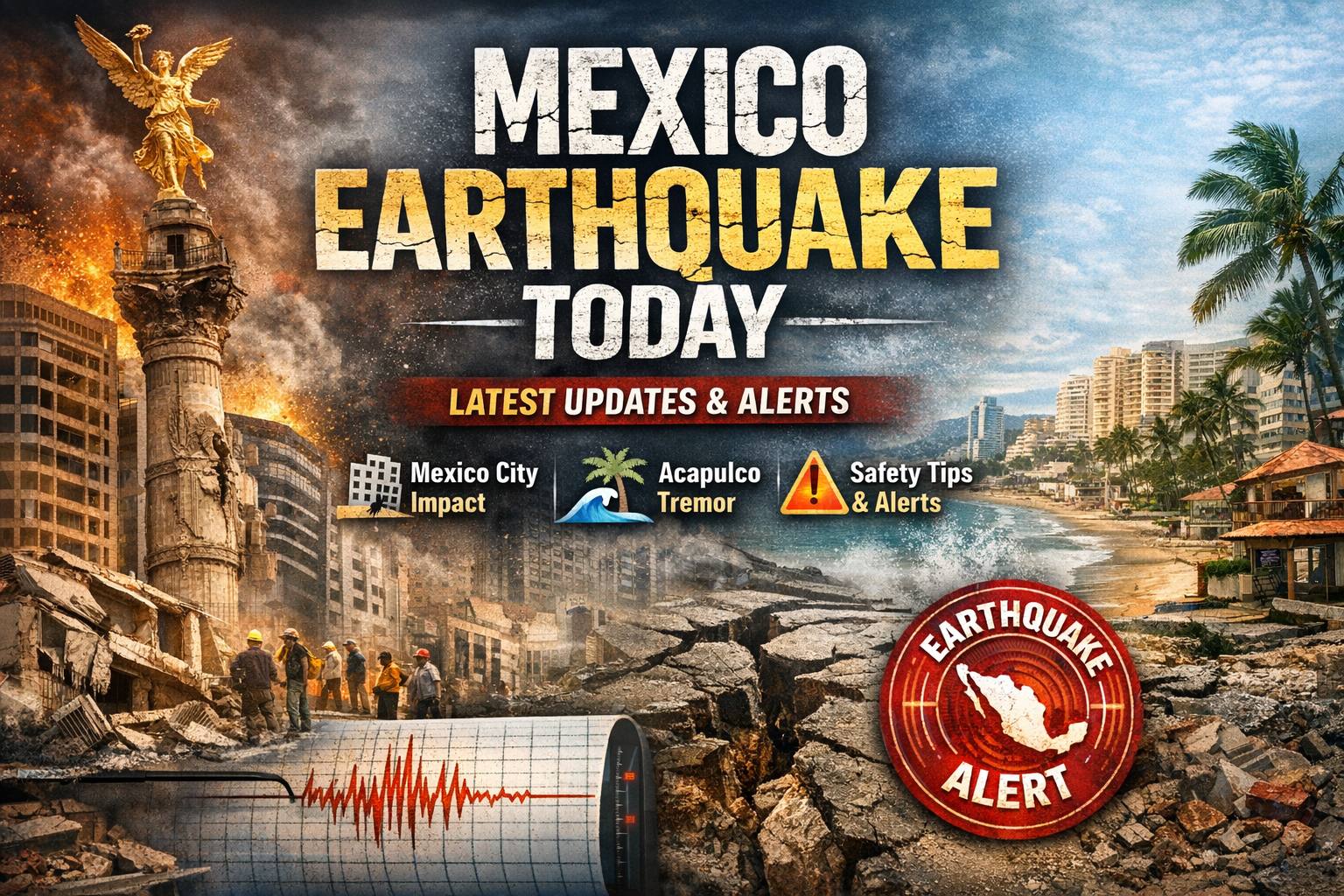
Mexico Earthquake Today: What We Know
hey are usually looking for fast, reliable information. Earthquakes in Mexico can range from minor tremors barely felt to powerful events that cause widespread damage. Mexico earthquake experiences hundreds of earthquakes every year, most of which are small and go unnoticed. However, stronger earthquakes often attract global attention, especially when they affect densely populated areas such as Mexico City or coastal regions like Acapulco.
It is important to rely on official sources such as national seismological agencies for real-time updates, as social media can spread misinformation during seismic events.
Why Are Mexico Earthquakes So Common?
Mexico’s high earthquake activity is due to its location at the intersection of several tectonic plates:
- The Cocos Plate
- The North American Plate
- The Pacific Plate
- The Rivera Plate
The most significant seismic activity occurs where the Cocos Plate subducts beneath the North American Plate along Mexico’s southern Pacific coast. This subduction zone is responsible for many powerful earthquakes felt across the country.
The Ring of Fire
Mexico is part of the Pacific Ring of Fire, a horseshoe-shaped zone known for intense seismic and volcanic activity. Countries located along this belt frequently experience earthquakes, making preparedness essential.
Mexico Earthquake: Why the Capital Is Vulnerable?
Mexico City is particularly vulnerable to earthquakes, even those that occur hundreds of kilometers away. The city is built on the ancient lakebed of Lake Texcoco, which consists of soft clay and sediment.
Why Earthquakes Feel Stronger in Mexico City
- Soft soil amplifies seismic waves
- Buildings can sway for longer periods
- Distant earthquakes can still cause strong shaking
Historic events have shown that even moderate earthquakes can cause significant damage in Mexico City due to these geological conditions.
Mexico Earthquake in Acapulco: Coastal Seismic Risks
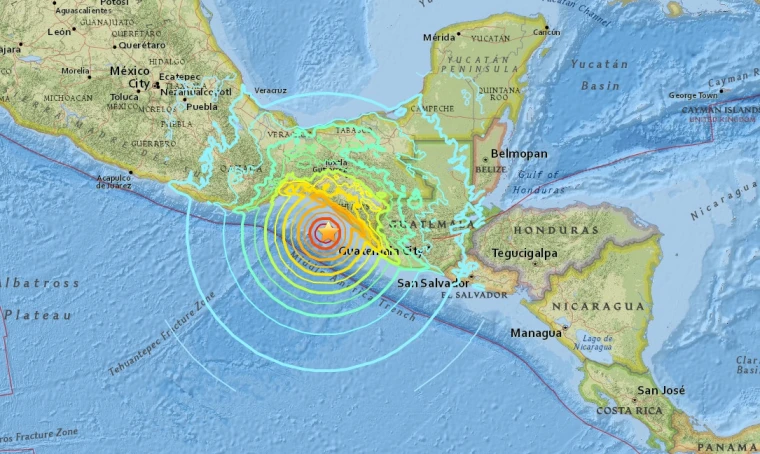
Searches for Acapulco earthquake often spike after strong offshore earthquakes. Acapulco lies close to the subduction zone along Mexico’s Pacific coast, making it one of the high-risk areas for seismic activity.
Risks in Coastal Regions
- Strong ground shaking
- Potential tsunamis after major offshore earthquakes
- Damage to tourism infrastructure
Acapulco’s location makes earthquake preparedness critical for both residents and visitors
Understanding the Term “Temblor”
In Mexico and other Spanish-speaking countries, earthquakes are commonly referred to as “temblor.” This term is widely used in news reports, emergency alerts, and everyday conversation.
When people search for temblor, they are often looking for the same information as earthquake Mexico today, including magnitude, location, and safety guidance.
Types of Mexico Earthquakes
1. Subduction Earthquakes
These are the most powerful and damaging earthquakes in Mexico, occurring along the Pacific coast.
2. Intraplate Earthquakes
These occur within tectonic plates and can affect central regions, including Mexico City.
3. Offshore Earthquakes
Many earthquakes occur offshore and may trigger tsunami warnings depending on their magnitude.
How Mexico Earthquake Impacts
Human Impact
- Injuries and loss of life in severe cases
- Psychological stress and trauma
- Displacement of families
Infrastructure Damage
- Collapsed buildings
- Damaged roads and bridges
- Power and communication outages
Economic Effects
- Disruption to businesses
- Tourism losses in cities like Acapulco
- High reconstruction costs
Earthquake Early Warning System in Mexico
Mexico has one of the most advanced earthquake early warning systems in the world, known as SASMEX.
How It Works
- Detects seismic waves near the coast
- Sends alerts to cities before strong shaking arrives
- Provides seconds to take protective action
Although warning time is short, it can save lives.
What To Do During an Earthquake in Mexico
During the Shaking
- Drop, Cover, and Hold On
- Stay away from windows
- Do not use elevators
If You Are Outdoors
- Move away from buildings
- Avoid power lines
- Find an open area
If You Are Near the Coast
- Move to higher ground if a tsunami warning is issued
After an Earthquake
- Check for injuries
- Inspect your surroundings for damage
- Avoid damaged buildings
- Follow official instructions
Aftershocks are common, so remain alert.
How Mexico Is Improving Earthquake Preparedness
- Strict building codes
- Regular emergency drills
- Public awareness campaigns
Schools, offices, and residential buildings frequently conduct earthquake drills to improve readiness.
Frequently Asked Questions About Mexico Earthquakes
Is Mexico City safe from earthquakes?
Mexico City experiences frequent earthquakes, but improved building standards have reduced risks.
Are earthquakes predictable?
No, earthquakes cannot be predicted, but monitoring systems help provide early warnings.
Why do earthquakes happen at night so often?
Earthquakes occur randomly; nighttime events just feel more noticeable.
Final Thoughts
Searches like mexico earthquake, earthquake in Mexico today, Mexico City earthquake, and temblor reflect global concern whenever seismic activity occurs. Earthquakes are a natural part of life in Mexico, but education, preparedness, and modern warning systems have greatly improved safety.
Staying informed, following official guidance, and knowing how to react can make a life-saving difference during an earthquake.