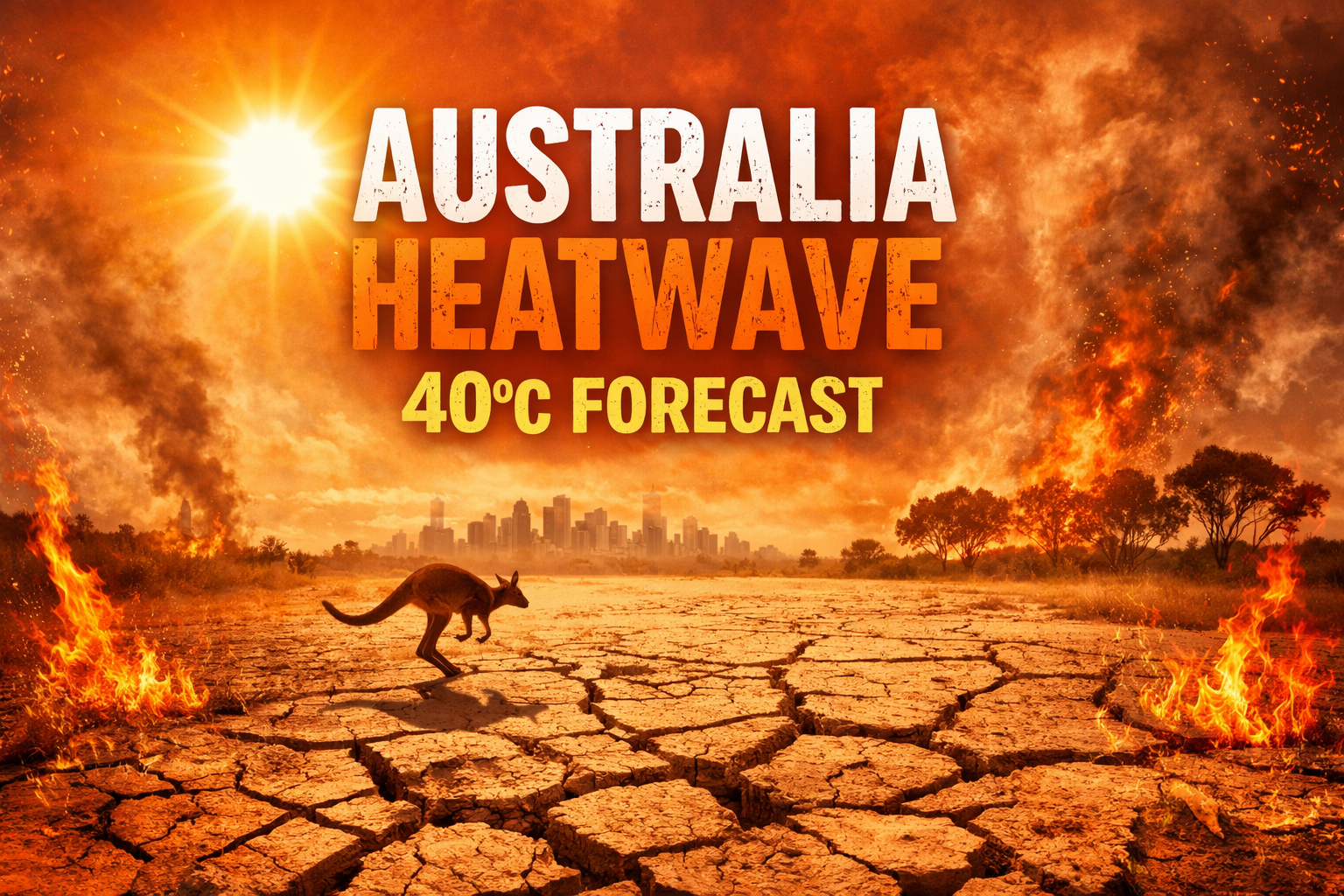
Australia Heatwave 40°C Forecast – What You Need to Know
Australia is once again experiencing an extreme heatwave, with temperatures forecast to reach 40°C and above in many regions. Heatwaves are not new to Australia, but their frequency, intensity, and duration are increasing, raising serious concerns for public health, infrastructure, wildlife, and the environment.
This article explains the 40°C heatwave forecast, its causes, impacts, upsides and downsides, and practical safety tips to help individuals, families, and communities stay safe.
What Is a Heatwave?
A heatwave is a prolonged period of excessively hot weather, usually lasting several days or longer, where temperatures remain well above the seasonal average. In Australia, heatwaves are considered one of the deadliest natural hazards, often more dangerous than floods or bushfires.
When temperatures reach 40°C, the human body struggles to regulate heat, increasing the risk of heat exhaustion and heatstroke.
Australia 40°C Heatwave Forecast – Overview
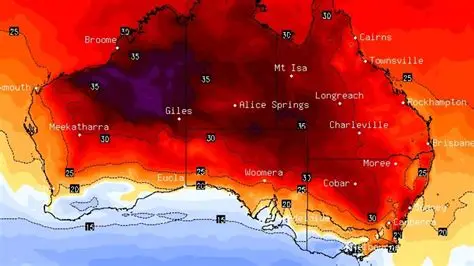
Meteorological forecasts indicate that large parts of Australia may experience temperatures around or above 40°C, particularly in:
- Inland regions
- Western and South Australia
- Parts of New South Wales and Queensland
In many areas, overnight temperatures remain high, providing little relief and increasing stress on vulnerable populations.
Causes of the Australia Heatwave
Climate Change
Climate change is the main driver behind more intense heatwaves. Rising global temperatures are increasing the likelihood of extreme heat events.
High-Pressure Systems
Strong high-pressure systems trap hot air, prevent cloud formation, and block cooler winds, allowing temperatures to rise rapidly.
Dry Soil and Drought Conditions
Dry land heats up faster than moist soil. Prolonged dry conditions contribute to higher daytime temperatures and more severe heatwaves.
Regions Most Affected by the Heatwave
Some regions face higher risk due to geography and climate patterns:
- Outback and inland areas – Extreme daytime heat
- Urban cities – Heat island effect due to concrete and buildings
- Coastal regions – High humidity combined with heat
Urban areas often feel hotter because buildings and roads absorb and trap heat.
Health Impacts of 40°C Heatwave
Heat Exhaustion
Symptoms include:
- Dizziness
- Nausea
- Heavy sweating
- Weakness
Heatstroke (Medical Emergency)
Signs include:
- Body temperature above 40°C
- Confusion or unconsciousness
- Rapid heartbeat
- No sweating
High-Risk Groups
- Elderly people
- Children
- Pregnant women
- Outdoor workers
- People with heart or respiratory conditions
Environmental Impacts
Bushfire Risk
Extreme heat significantly increases the risk of bushfires, especially when combined with strong winds and dry vegetation.
Wildlife Stress
Animals suffer from dehydration, habitat loss, and heat stress. Many native species struggle to survive prolonged extreme heat.
Water Shortages
Higher evaporation rates place stress on water supplies, especially in drought-prone regions.
Economic and Infrastructure Impacts
https://www.bing.com/images/search?q=Australia+Heatwave+40C+Forecast+give+me+picture&form=HDRSC3&first=1 Power Supply Pressure
Air conditioners increase electricity demand, raising the risk of:
- Power outages
- Grid failures
Transport Disruptions
Extreme heat can:
- Warp railway tracks
- Damage roads
- Cause flight delays
Work Productivity Loss
Outdoor and manual labor becomes unsafe, leading to reduced productivity and financial losses.
Upsides of Heatwaves in Australia
Although dangerous, heatwaves have a few limited upsides:
Renewable Energy Boost
Sunny conditions increase solar power generation, helping reduce reliance on fossil fuels.
Tourism in Coastal Areas
Some coastal and holiday destinations may see increased tourism as people seek beaches and cooler sea breezes.
Agricultural Benefits (Short-Term)
Certain crops may benefit temporarily from warmth, provided sufficient irrigation is available.
Note: These benefits are minor compared to the risks and damages caused by extreme heat.
Downsides of Extreme Heatwaves
Serious Health Risks
Heat-related illnesses and deaths rise sharply during extreme heat events.
Increased Bushfire Damage
Homes, forests, and wildlife are at severe risk.
Long-Term Environmental Damage
Repeated heatwaves weaken ecosystems and reduce biodiversity.
Economic Losses
Healthcare costs, infrastructure repairs, and productivity losses place strain on the economy.
How to Stay Safe During a 40°C Heatwave
Personal Safety Tips
- Drink water frequently, even if not thirsty
- Avoid outdoor activities during peak heat hours
- Wear light-colored, loose clothing
- Use sunscreen and hats
Home Safety Measures
- Keep curtains and blinds closed
- Use fans or air conditioning safely
- Avoid using heat-generating appliances during the day
Community Care
- Check on elderly neighbors
- Look after pets and animals
- Follow official weather warnings
Heatwave Safety for Pets and Animals
- Provide constant access to fresh water
- Never leave pets in parked cars
- Ensure shade and ventilation
- Walk pets during early morning or late evening
Animals are extremely vulnerable to heat stress and dehydration.
Government and Emergency Response
Australian authorities often respond by:
- Issuing extreme heat warnings
- Opening cooling centers
- Advising reduced outdoor work
- Preparing emergency medical services
Following official guidance can save lives.
Long-Term Solutions to Reduce Heatwave Risks
Urban Cooling
- More trees and green spaces
- Heat-reflective building materials
Climate Action
- Reducing greenhouse gas emissions
- Investing in renewable energy
Public Awareness
- Education on heatwave preparedness
- Early warning systems
Final Thoughts
The Australia 40°C heatwave forecast is a serious reminder of the growing impact of extreme weather. While heatwaves may offer minor upsides like increased solar energy, their health, environmental, and economic risks far outweigh the benefits.
Staying informed, prepared, and proactive is essential to protect lives and reduce damage during extreme heat events.