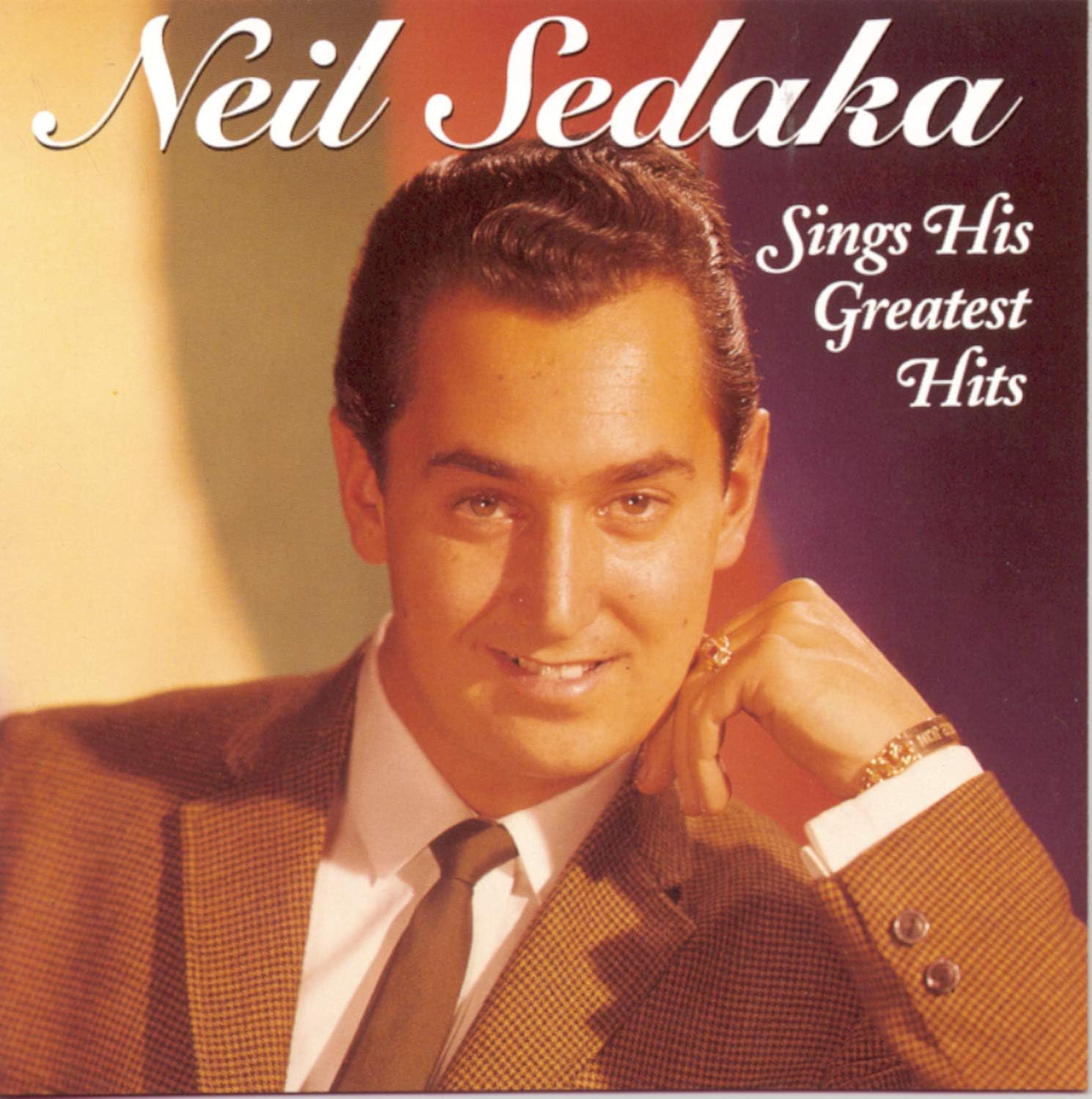
Neil Sedaka’s Timeless Music, Legacy and Inspiring Comeback
Some artists create songs that climb charts. Others create music that lives forever. Neil Sedaka belongs to the rare second category—a songwriter and performer whose melodies have crossed generations, continents, and cultures. His music captures joy, heartbreak, hope, and renewal with remarkable clarity, transforming everyday emotions into unforgettable sound.
His story is more than a tale of musical success. It is a story of resilience, reinvention, and the extraordinary power of creativity. From early fame to professional setbacks and a triumphant comeback, his journey reflects the enduring truth that genuine talent never fades—it evolves.
The legacy he built continues to resonate today, reminding listeners everywhere that music has the power to heal, inspire, and unite.
A Musical Beginning Shaped by Passion
Born in Brooklyn, Sedaka grew up surrounded by culture, rhythm, and artistic energy. Music was not simply an interest—it was a calling. From an early age, he demonstrated remarkable musical ability, especially in piano performance and composition.
His dedication led him to study at the prestigious Juilliard School, where he developed the technical foundation that would later define his songwriting brilliance. Classical training gave him a deep understanding of melody, harmony, and structure—elements that would shape his signature pop sound.
Unlike many artists who rely on trends, Sedaka built his music on strong musical architecture. His songs were carefully crafted, emotionally precise, and irresistibly melodic.
Rising from the Heart of American Pop Music
Sedaka’s career blossomed during a transformative era in popular music. Working out of the legendary Brill Building, he collaborated with fellow songwriters to produce hits that defined a generation.
This environment was known for creativity, collaboration, and commercial brilliance. It was where pop music was refined into an art form—where catchy melodies met emotional storytelling.
His early success came quickly. Songs like Oh! Carol captured youthful romance with irresistible charm. Soon after, Calendar Girl brought playful storytelling to life, celebrating the joy of love throughout the year.
But perhaps one of his most iconic achievements was Breaking Up Is Hard to Do, a song that became one of the defining breakup anthems in music history. Its emotional honesty and unforgettable melody turned personal heartbreak into a universal experience.
These songs did more than entertain—they connected deeply with listeners, giving voice to emotions many struggled to express.
A Unique Gift for Songwriting
Sedaka possessed a rare ability to transform simple feelings into profound musical experiences. His songwriting balanced structure and spontaneity, blending classical influence with pop accessibility.
He understood that great music speaks directly to human emotion. Whether expressing love, longing, nostalgia, or joy, his melodies carried warmth and sincerity.
This gift extended beyond his own performances. His songwriting reached other artists and audiences around the world. One of the most famous examples is Love Will Keep Us Together, later recorded by The Carpenters, becoming a major international success.
His compositions demonstrated versatility—romantic ballads, upbeat pop, reflective storytelling—all united by melodic excellence.
Facing Change and Reinvention
The music industry evolves constantly. Styles shift, trends emerge, and audiences change. During the late 1960s and early 1970s, the musical landscape transformed dramatically, presenting challenges for many artists from earlier pop eras.
Sedaka’s chart success slowed. For some, this moment might have marked the end of their creative journey. For him, it became a turning point.
He chose reinvention rather than retreat. He refined his style, deepened his songwriting, and embraced new musical directions. This period revealed not just talent, but resilience—an unwavering belief in creative renewal.
A Remarkable Comeback
Few comeback stories in music history are as powerful as Sedaka’s return to prominence in the 1970s. With renewed artistic vision, he produced songs that reflected maturity, introspection, and emotional depth.
Among these was The Hungry Years, a moving composition that captured memory, longing, and reflection with extraordinary poignancy. It marked a new chapter—one defined by emotional sophistication and personal storytelling.
His resurgence was supported by influential figures in the music world, including Clive Davis, who recognized the timeless quality of his talent.
During this period, Sedaka also collaborated with artists like Elton John, further expanding his creative reach and connecting his music with new audiences.
His comeback demonstrated an inspiring truth: artistic passion, when genuine, can overcome time, change, and uncertainty.
Chart Success and Global Recognition
Throughout his career, Sedaka achieved remarkable commercial success. His songs appeared repeatedly on the Billboard charts, reaching listeners across generations.
Yet numbers alone cannot measure his impact. His music became part of life’s emotional soundtrack—played at celebrations, remembered during heartbreak, and cherished through nostalgia.
His global popularity reflected the universal nature of his songwriting. Cultural differences faded when listeners connected with the feelings embedded in his melodies.
Musical Style That Transcends Time
Sedaka’s music carries a timeless quality because it focuses on universal human experiences. Love, loss, hope, memory, and joy remain constant across generations.
His melodies are clear, expressive, and emotionally direct. His lyrics are sincere and relatable. Together, they create songs that feel both personal and universal.
Unlike music tied to fleeting trends, his work remains relevant decades after its release. New listeners continue discovering his songs, experiencing the same emotional connection that audiences felt years ago.
Influence on Future Generations
Sedaka’s influence extends far beyond his own recordings. His songwriting approach—melody-driven, emotionally authentic, and structurally refined—has inspired countless musicians.
Artists across genres study his ability to craft memorable hooks, balanced compositions, and meaningful lyrics. His career demonstrates that technical skill and emotional sincerity can coexist powerfully.
He helped shape the language of modern pop songwriting, establishing standards that continue to guide contemporary music.
The Power of Emotional Connection
What makes Sedaka’s music endure is its emotional honesty. His songs feel genuine because they are grounded in real human experience.
Listeners do not simply hear his music—they feel it. They recognize their own stories within his melodies.
This emotional connection transforms music into memory. Songs become companions through life’s moments—celebrations, transitions, and reflections.
Longevity Rooted in Authenticity
Many artists achieve success. Few maintain relevance across decades. Sedaka’s longevity stems from authenticity.
He remained committed to musical integrity rather than chasing trends. He trusted melody, storytelling, and emotional truth.
This authenticity built lasting trust with audiences. Listeners knew his music would always deliver sincerity and craftsmanship.
A Living Legacy of Creativity
Sedaka’s career represents more than individual success—it represents artistic perseverance. His journey demonstrates that creativity evolves, adapts, and renews itself over time.
He transformed challenges into opportunities. He turned reinvention into strength. He proved that passion and dedication can sustain artistic expression across generations.
His music continues to be performed, celebrated, and rediscovered, ensuring that his influence remains vibrant.
The Upside: Inspiration Through Music and Resilience
Sedaka’s life and career offer a powerful message of hope. Success is not defined by uninterrupted achievement—it is defined by the courage to continue creating, adapting, and believing.
His comeback story inspires artists and audiences alike. It shows that talent, when nurtured with persistence, can rise again stronger than before.
His melodies continue to bring joy. His lyrics continue to comfort. His journey continues to inspire.
Conclusion: A Voice That Never Fades
Neil Sedaka stands among the great musical storytellers of modern history. His songs capture the emotional rhythm of human life with extraordinary clarity.
From youthful pop classics to reflective masterpieces, his work reflects growth, resilience, and artistic dedication. His legacy proves that music, when created with sincerity and skill, becomes timeless.
His voice, his melodies, and his message continue to resonate—reminding the world that creativity is enduring, emotion is universal, and true artistry never disappears.