Amy Madigan: Record-Breaking Oscar Winner at 74 with Timeless Upside
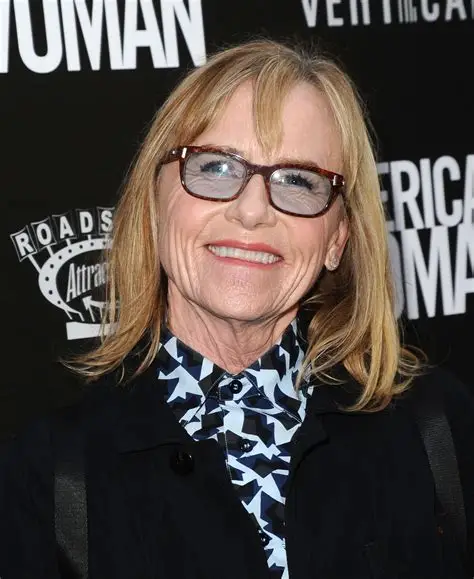
Some victories arrive early. Others demand decades of persistence, proving that excellence recognizes no expiration date. Amy Madigan’s 2026 Academy Award for Best Supporting Actress in Weapons didn’t just break a 55-year-old record. It shattered the myth that Hollywood has no place for women beyond a certain age. At 74, Madigan became the oldest winner in her category’s history, validating a career built on craft, resilience, and the refusal to accept diminishing returns.
This wasn’t her first Oscar nomination. That came in 1986 for Twice in a Life, when she was 36 and Hollywood seemed full of possibility. The 40 years between nominations tell a story of endurance that few actors match. While peers retreated, Madigan persisted. While opportunities narrowed, she created them. While the industry prioritized youth, she accumulated wisdom that translated into performances of increasing depth and power.
The Historic Win That Changed Everything
The 98th Academy Awards on March 15, 2026, delivered a moment that will inspire generations. When Madigan’s name was announced for Weapons, the Dolby Theatre erupted in recognition of a career that spans four decades and includes some of cinema’s most memorable character work. Her victory broke a record held since 1971, when another veteran actress claimed the category at an advanced age.
The upside of this achievement extends far beyond personal validation. Madigan’s win demonstrates that acting excellence deepens with time. That experience matters. That women in their 70s can deliver performances that surpass those of younger competitors. The industry, often obsessed with novelty, was reminded that mastery has no shelf life.
Her acceptance speech, though not detailed in available reports, undoubtedly carried the weight of 40 years between nominations. The gratitude. The vindication. The knowledge that persistence eventually rewards those who refuse to abandon their craft. This is the upside of longevity—the compound interest of dedication paid in full.
Weapons: The Performance of a Lifetime
In Weapons, Zach Cregger’s horror film, Madigan delivered what critics described as a “career-capping” performance. The film, which premiered at the 2025 Toronto International Film Festival and earned a 91% Rotten Tomatoes score, provided the vehicle for her historic triumph. Horror, often dismissed by the Academy, became the genre that finally recognized her genius.
The upside of this genre breakthrough is significant. Horror has historically been overlooked in major Oscar categories. Madigan’s win validates the artistic potential of genre filmmaking, opening doors for future performers in similar roles. Her victory says that excellence transcends category, that a horror film can contain performances worthy of cinema’s highest honor.
Her work in Weapons demonstrated the particular power of veteran actresses in genre material. The depth of experience she brought to her role—decades of emotional memory, technical refinement, and psychological insight—elevated material that might have seemed merely shocking in lesser hands. This is the upside of age in acting: the ability to convey complexity without apparent effort.
A Career Built on Character Excellence
Madigan’s filmography reads like a history of American cinema’s most interesting decades. Field of Dreams (1989). Uncle Buck (1989). The Dark Half (1993). She’s So Lovely (1997). Gone Baby Gone (2007). These aren’t just credits. They’re cultural touchstones where her presence, though not always top-billed, made indelible impressions.
The upside of character acting is longevity. While leading ladies face pressure to maintain impossible standards of youth, character actors evolve. They deepen. They become essential to storytelling in ways that transcend physical appearance. Madigan’s career exemplifies this evolution—from promising newcomer to indispensable veteran, from ingenue to icon.
Her work with husband Ed Harris, one of Hollywood’s most respected actors, created a partnership that spans both personal and professional realms. Their collaborations demonstrate the upside of creative marriages—artistic relationships that sustain and inspire across decades. Harris’s own Oscar nomination for Truman Show in 1999 and his continued excellence mirror Madigan’s persistence, creating a household defined by dedication to craft.
The 1986 Nomination: Promise and Patience
Madigan’s first Oscar nomination came for Twice in a Life, a film that showcased her early promise. At 36, she represented the industry’s investment in youth, the expectation that talent would translate into stardom. The nomination predicted a future of leading roles and commercial success.
That future arrived differently than expected. Madigan became a working actor’s working actor, building a career on quality rather than quantity, on impact rather than visibility. The upside of this path is artistic integrity. She never compromised her standards for paycheck roles. She never accepted parts that didn’t challenge her. She built a filmography she could be proud of, even when the industry didn’t shower her with awards.
The 40 years between nominations weren’t empty. They were filled with television excellence, including Emmy-nominated work, stage performances that honed her craft, and film roles that demonstrated range from comedy to drama to horror. Each year added layers to her talent, preparing her for the 2026 victory that recognized accumulated mastery.
Breaking Barriers for Women of Experience
Madigan’s record-breaking win carries significance beyond her personal achievement. Hollywood has historically marginalized actresses as they age, offering diminishing opportunities and stereotypical roles. The “invisible woman” phenomenon describes how women over 50 disappear from screens, their stories deemed uninteresting, their perspectives irrelevant.
Madigan’s victory challenges this erasure. Her win says that women’s stories continue to matter at 74. That audiences want to see experienced actresses. That the Academy recognizes excellence regardless of age. The upside is industry transformation—permission for casting directors to consider veteran actresses for substantial roles, encouragement for producers to develop projects featuring older women, inspiration for actresses to persist when opportunities seem scarce.
Her triumph follows a pattern of recent Oscar recognition for veteran actresses, but exceeds them all in age. This isn’t just progress. It’s a breakthrough that redefines what’s possible for women in the industry’s later decades.
The Upside of Persistence
Madigan’s career teaches a lesson that transcends acting: persistence eventually rewards. The 40 years between Oscar nominations could have discouraged a lesser artist. The narrowing of opportunities as she aged could have prompted retirement. The industry’s indifference to experienced actresses could have silenced her voice.
Instead, she persisted. She continued working. She refined her craft. She remained ready when the right role arrived. This is the upside of dedication—the compound interest of continuous improvement, the preparation that meets opportunity to create breakthrough moments.
Her victory at 74 suggests that the best may come late. That careers have second acts. That recognition, when earned through genuine excellence rather than hype, carries deeper meaning. The Oscar she holds isn’t just a statuette. It’s validation of a life spent in service to art, proof that the long game can win against flashier competition.
The Future of Ageless Excellence
Madigan’s win opens possibilities for her own future and for the industry. At 74, she is not finished. The Oscar creates leverage for future roles, interest in her perspective, and opportunities to mentor younger actors. The upside of late recognition is that it often arrives when artists have the wisdom to use it effectively.
For Hollywood, her victory sets a precedent. The Academy has declared that age is no barrier to recognition. That veteran actresses deserve consideration alongside younger competitors. That stories featuring older women contain universal truths. This precedent will influence nominations and wins for years to come.
The industry is aging. Audiences are aging. Madigan’s triumph recognizes these realities, suggesting that cinema’s future includes space for all generations. The upside is demographic expansion—content that serves underserved audiences, performances that draw on lifetime experience, and an industry that finally reflects the full spectrum of human life.
Conclusion: The Victory of Time
Amy Madigan’s 2026 Oscar win is more than a personal achievement. It is a statement about time, persistence, and the enduring power of excellence. At 74, she stands as proof that careers can peak late, that recognition can arrive after decades of waiting, and that women in Hollywood need not fade away as they age.
The upside of her victory is inspiration—for actors who wonder if their moment has passed, for women who face industry sexism, for anyone who believes that persistence eventually pays. Madigan didn’t just win an Oscar. She won a victory for everyone who refuses to abandon their craft, who continues working when recognition seems distant, who trusts that excellence will eventually find its audience.