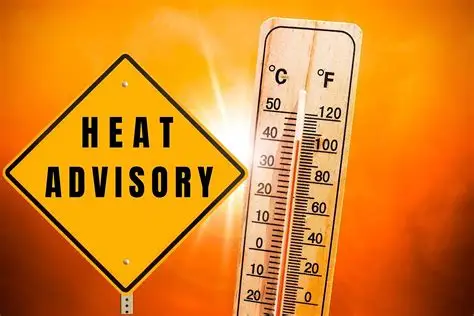
A Heat Advisory is more than a weather notification. It is an important reminder to slow down, stay informed and protect yourself when temperatures and humidity create dangerous conditions.
The National Weather Service defines a Heat Advisory as an alert issued when dangerous heat conditions are expected but are not forecast to reach the criteria used for an Extreme Heat Warning. The exact criteria can vary by location because communities have different climates and levels of adaptation to heat.
Although a heat advisory signals a genuine health risk, it also provides something valuable: time to prepare.
An alert allows families to adjust outdoor plans, workers to take additional breaks, communities to open cooling resources and individuals to recognize the importance of hydration and rest.
That preparation can make a meaningful difference.
What a Heat Advisory Means
A Heat Advisory generally indicates that hot conditions may create an increased risk of heat-related illness.
The National Weather Service advises people under a Heat Advisory to consider postponing or rescheduling outdoor activities, particularly during the hottest part of the day. People who must remain outside are encouraged to drink water, take frequent breaks in shaded areas and stay somewhere cool during the hottest periods.
Heat risk is not determined only by the temperature shown on a thermometer.
Humidity also matters.
The heat index, often described as the “feels like” temperature, combines air temperature and relative humidity to show how hot conditions may feel to the human body. High humidity can make it harder for sweat to evaporate, reducing the body’s ability to cool itself efficiently.
This is why a day that does not appear exceptionally hot on a thermometer can still become uncomfortable or hazardous when humidity is high.
Why Heat Advisories Matter
Heat can place significant stress on the body.
Normally, the human body regulates temperature partly through sweating. During prolonged or intense heat, however, the body’s cooling mechanisms may not be enough.
The CDC explains that heat-related illness occurs when the body cannot cool itself properly. Extreme heat can lead to serious illness and, in severe circumstances, death.
A Heat Advisory therefore gives people an opportunity to act before conditions become more dangerous.
That early warning is one of the most useful parts of modern weather forecasting.
Instead of being surprised by dangerous heat, people can plan around it.
The Positive Power of Early Warnings
Weather alerts have an important upside: they give communities time.
A Heat Advisory can encourage people to:
- Move outdoor activities to cooler hours
- Drink water regularly
- Prepare lightweight clothing
- Check air-conditioning systems
- Identify nearby cooling locations
- Protect children and older adults
- Adjust outdoor work schedules
- Check on family, friends and neighbors
- Keep pets away from excessive heat
- Monitor updated weather information
These simple actions can transform a difficult hot day into a much safer one.
The CDC emphasizes staying cool, staying hydrated and recognizing symptoms of heat-related illness. It also encourages people to create a heat action plan, particularly when they or someone they care for may be more vulnerable to heat.
Staying Cool During a Heat Advisory
One of the strongest ways to reduce heat exposure is to spend the hottest part of the day in a cool or air-conditioned environment.
The CDC notes that air conditioning is an especially important protective factor against heat-related illness. Even spending several hours in an air-conditioned location can reduce heat exposure.
For people without reliable air conditioning, alternatives can include:
- Public cooling centers
- Libraries
- Community buildings
- Shopping centers
- Cooling shelters
- Homes of relatives or friends with air conditioning
Local authorities may announce cooling locations when extreme heat is expected. Communities have increasingly used these resources as part of their heat-response plans.
This demonstrates an important upside of heat preparedness: people do not have to face extreme temperatures alone.
Hydration Is a Daily Protection Tool
Hydration becomes particularly important during hot weather.
People lose water through sweating, especially during physical activity and prolonged exposure to heat. Drinking water regularly can support the body’s ability to manage heat.
The CDC recommends drinking water often and not waiting until thirst develops.
During a Heat Advisory, carrying a reusable water bottle can make hydration easier.
People who work outdoors, exercise, travel or spend long periods outside should be especially attentive to fluid needs.
Hydration should also be combined with rest and cooling. Water alone cannot make prolonged exposure to extreme heat safe.
Choosing the Right Clothing
Clothing can make a noticeable difference during hot weather.
Lightweight, loose-fitting clothing allows greater airflow around the body. Light-colored clothing can also reduce the amount of solar heat absorbed compared with darker materials.
Useful choices during a Heat Advisory include:
- Loose cotton clothing
- Lightweight shirts
- Breathable trousers
- Wide-brimmed hats
- Sunglasses
- Comfortable footwear
- Lightweight protective layers
Sun protection is also important. Shade, protective clothing, sunglasses and sunscreen can help reduce the effects of direct sunlight.
The goal is simple: reduce unnecessary heat exposure wherever possible.
Recognizing Heat Exhaustion
Knowing the signs of heat-related illness can help people respond early.
Heat exhaustion can involve symptoms such as heavy sweating, weakness, dizziness, headache, nausea and fainting. The National Weather Service identifies these as important warning signs associated with heat illness.
The CDC advises moving someone experiencing heat exhaustion symptoms to a cool location, providing water and applying cool, wet cloths. If symptoms become worse, medical assistance should be obtained immediately.
Recognizing symptoms early is an important form of protection.
A person should not simply continue an activity while feeling increasingly unwell in the heat.
Heat Stroke Requires Emergency Action
Heat stroke is a medical emergency.
The National Weather Service describes heat stroke as a condition in which the body’s temperature regulation system can fail, allowing body temperature to rise rapidly and potentially causing permanent disability or death without emergency treatment.
Warning signs can include confusion, altered mental status, loss of consciousness and extremely high body temperature.
When heat stroke is suspected, emergency medical assistance should be sought immediately.
Fast action matters.
Protecting Children and Older Adults
Heat can affect different people in different ways.
Children, older adults and people with certain chronic health conditions may be particularly vulnerable to heat-related health effects. The CDC recommends paying attention to individuals who may have increased sensitivity to heat.
Parents and caregivers can help children stay safe by:
- Keeping them hydrated
- Limiting strenuous outdoor activity during peak heat
- Providing shaded or cool spaces
- Choosing breathable clothing
- Monitoring their behavior and energy levels
Older family members can benefit from regular check-ins, particularly if they live alone or have limited access to cooling.
A short phone call, visit or message can become an important safety measure.
Outdoor Workers Need Extra Protection
People who work outside may face prolonged heat exposure.
Construction workers, agricultural workers, delivery workers, landscapers, road crews and other outdoor professionals can experience significant heat stress during physically demanding work.
During a Heat Advisory, employers and workers can reduce risk by using appropriate work-rest schedules, providing drinking water, creating shaded recovery areas and watching for signs of heat illness.
Heat safety is not simply an individual responsibility. It can become a shared workplace culture.
A prepared workplace protects workers while also supporting productivity and long-term well-being.
Heat Advisories and Community Preparedness
The value of a Heat Advisory extends beyond individual households.
Local governments, emergency services, public health departments and community organizations can use heat alerts to prepare resources before conditions become more severe.
In 2026, public health agencies continued emphasizing early preparation, cooling resources and public awareness as important parts of heat response. The CDC’s Heat & Health Tracker provides information about heat events, vulnerable populations and available response resources.
Communities can also use heat action plans to coordinate public messaging and emergency support.
This coordinated approach represents one of the biggest positive developments in modern heat safety: information can become action before a crisis develops.
Technology Makes Heat Awareness Easier
Modern weather technology has significantly improved the way people understand heat risk.
Traditional temperature forecasts remain useful, but newer tools can consider additional factors such as humidity, local climate patterns, duration of heat and potential health impacts.
The National Weather Service’s HeatRisk product provides a forecast-based assessment of potential heat-related impacts using temperature and health-related information.
These tools help people make better decisions about outdoor activities, work, travel and community preparedness.
Weather information is no longer simply about knowing whether tomorrow will be hot.
It increasingly helps people understand how that heat may affect daily life.
Simple Steps for a Heat Advisory Day
A practical Heat Advisory routine can be simple.
Morning
Start the day hydrated and check the latest local weather information.
If outdoor work or exercise is planned, consider completing it during a cooler period.
Midday
Avoid unnecessary outdoor exposure during the hottest hours.
Stay in shade or an air-conditioned location whenever possible.
Afternoon
Continue drinking water and take regular cooling breaks.
Keep physical activity moderate and watch for symptoms of heat-related illness.
Evening
Check on vulnerable family members, neighbors and friends.
Continue monitoring the temperature inside the home, particularly if the weather remains hot after sunset.
This simple routine turns a weather alert into a practical safety plan.
Heat Safety Is Also About Looking After Others
Extreme heat can become a powerful reminder of community connection.
A neighbor may need assistance getting groceries. An older relative may need help accessing a cooler location. A worker may need an additional break. A child may need a safer indoor environment.
Small acts of awareness can have a large impact.
The National Weather Service has repeatedly promoted checking on family, friends, teammates and neighbors as part of heat safety.
That message captures the human side of weather preparedness.
Heat safety is not only about protecting ourselves. It is also about noticing the people around us.
Turning a Heat Advisory Into Preparedness
A Heat Advisory does not have to create panic.
It can create awareness.
It can encourage families to prepare water, check cooling systems, organize schedules and communicate with loved ones.
It can remind employers to protect outdoor workers.
It can encourage communities to make cooling resources accessible.
Most importantly, it gives people information early enough to make safer choices.
Extreme heat can present serious health challenges, but many heat-related illnesses are preventable through preparation, awareness and timely action.
The Upside of Heat Awareness
Every Heat Advisory carries an important lesson: knowledge gives people power to prepare.
A weather alert can change plans before dangerous exposure occurs.
A water bottle can prevent dehydration from becoming a larger problem.
A shaded rest period can give the body an opportunity to cool.
A phone call can help protect a vulnerable family member.
A cooling center can provide relief for someone without air conditioning.
A timely emergency response can save a life.
These are the positive outcomes that make heat preparedness so valuable.
The goal is not simply to endure hot weather. The goal is to build habits, communities and systems that make people safer when temperatures rise.
Final Thoughts
A Heat Advisory is an important public safety message that should be taken seriously without creating unnecessary fear.
It provides an opportunity to slow down, stay hydrated, seek cooler surroundings and protect people who may be more vulnerable to heat.
The most important response is simple: stay cool, stay hydrated, stay informed and look after one another.
Every prepared person strengthens the safety of the wider community.
Reference
For more informative news, weather updates, lifestyle stories and helpful guides, visit Daily Talks Web.
This version is structured for WordPress + AIOSEO, with the focus keyword naturally distributed throughout the article and a strong positive/preparedness angle.