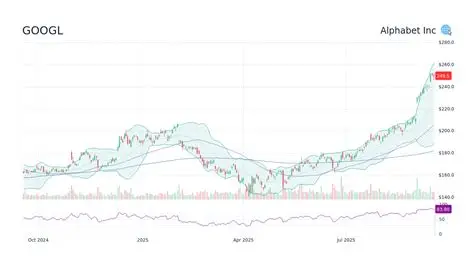
Google stock remains one of the most closely watched investments in the technology market. Through its parent company, Alphabet Inc., Google operates some of the world’s most influential digital services, including Google Search, YouTube, Android, Google Maps, and Google Cloud. These businesses connect billions of people and organizations with information, entertainment, communication, and digital tools.
For investors, the attraction is clear: Alphabet combines an established global business with opportunities in artificial intelligence (AI), cloud computing, digital advertising, and subscription services. Its products are already deeply integrated into everyday life, giving the company a substantial platform from which to develop new technologies and revenue streams.
However, a strong business does not automatically mean its stock price will rise. Investors must consider the company’s earnings, valuation, competition, spending plans, and ability to turn new technology into sustainable profits.
Alphabet’s third-quarter 2026 results, released on October 28, offer a useful example of this balance. Revenue increased strongly, and Google Cloud delivered exceptional growth, but weaker-than-expected results and heavy investment costs raised concerns in financial markets.
What Is Google Stock?
Google stock is commonly used to describe shares in Alphabet Inc., the company that owns Google and several related businesses.
Alphabet has two widely traded stock classes available to public investors:
- GOOGL: Class A shares, which carry voting rights.
- GOOG: Class C shares, which generally do not carry voting rights.
Alphabet also has Class B shares with enhanced voting rights, primarily held by company insiders and not publicly traded in the same way.
Investors who purchase GOOGL or GOOG are investing in Alphabet’s overall business rather than buying a separate company called Google. The company’s financial performance reflects multiple activities, including advertising, subscriptions, cloud services, devices, and other technology projects.
Before purchasing shares, investors should understand which share class they are considering, how their broker handles trading, and what fees or currency-conversion costs may apply.
Alphabet’s Latest Earnings: Strong Revenue Growth
Alphabet reported revenue of approximately $127.6 billion for the third quarter of 2026, representing a 25% increase compared with the same quarter in 2025.
Operating income rose to approximately $40.6 billion, up from $31.2 billion a year earlier. These figures show that the company continued expanding its business while generating substantial operating profit.
However, the results were not positive across every measure. Net income fell to approximately $26.2 billion from $35.0 billion in the year-earlier quarter, while diluted earnings per share declined to $2.12 from $2.87. A substantial loss on equity investments contributed to the decline in reported net income.
Revenue also came in below analysts’ expectations, prompting concerns about advertising performance, AI-related spending, and cash flow. Alphabet’s shares fell sharply following the earnings announcement.
The important takeaway is that Alphabet continues to grow, but investors are increasingly focused on the quality of that growth, the costs required to sustain it, and the returns those investments may eventually deliver.
Google Search Remains a Powerful Business
Google Search is one of Alphabet’s most important sources of revenue. Businesses pay to advertise in search results, connecting products and services with people who are actively looking for information or potential purchases.
This model has helped Google build a powerful advertising business supported by global reach, extensive technology infrastructure, and a large base of users.
In the third quarter of 2026, Google Search and other search-related revenue reached approximately $63.35 billion, up around 12% year over year. Alphabet also reported that the annual growth rate in search queries was the highest in five years.
That growth demonstrates that search remains an important part of the company’s business.
Nevertheless, the future of search is changing. AI-powered assistants can answer questions directly, summarize information, and help users complete tasks without relying on traditional search-result pages in the same way.
Alphabet must adapt its products while maintaining a sustainable advertising model. Its opportunity is to make search more useful, but it must also demonstrate that AI-driven experiences can generate revenue without undermining the economics of its existing business.
Artificial Intelligence Could Create New Growth Opportunities
Artificial intelligence is one of the most important factors shaping the long-term outlook for Google stock.
Alphabet develops AI models and services through its research teams and products, including Gemini. These technologies can improve search, support productivity tools, help developers write software, and enable businesses to analyze information more efficiently.
The company also benefits from owning a broad technology ecosystem. It can develop AI models, provide computing infrastructure, build consumer applications, and sell enterprise services.
Alphabet reported that its Gemini app reached one billion users, according to its third-quarter earnings announcement. This milestone highlights the scale of interest in its AI products.
For investors, the opportunity lies in whether these products can create lasting value. AI could encourage customers to use more Google services, generate new subscription revenue, improve advertising performance, and increase demand for cloud infrastructure.
The challenge is that AI development requires substantial spending on computing power, data centers, specialist employees, and research. Competition is intense, and product popularity does not automatically translate into high profits.
The long-term upside therefore depends on Alphabet turning its technical capabilities into valuable, commercially sustainable services.
Google Cloud Is Becoming a Major Growth Engine
Google Cloud is another important reason investors follow Alphabet.
Businesses increasingly rely on cloud computing to store data, operate software, build digital products, and run AI applications. Rather than maintaining all their own computing infrastructure, organizations can purchase services from providers such as Google Cloud.
Alphabet’s third-quarter 2026 results showed particularly strong performance in this area. Google Cloud revenue increased 103% year over year to approximately $30.7 billion, compared with $15.2 billion in the same quarter of 2025. Operating income for the segment rose from about $3.6 billion to $11.1 billion.
This growth highlights the opportunity to serve businesses investing in AI infrastructure and cloud-based applications.
Google Cloud also gives Alphabet a source of revenue beyond consumer advertising. A broader business mix can help create additional growth opportunities and reduce dependence on any single product category over time.
Still, the company must continue investing in data centers, networking, chips, and service capacity. Investors should monitor whether cloud growth translates into durable operating profits and healthy cash generation.
YouTube, Android, and Subscriptions Add Strength
Alphabet’s reach extends well beyond search.
YouTube is a major platform for video advertising, creator content, music, and paid subscriptions. In the third quarter of 2026, YouTube advertising revenue reached approximately $11.2 billion, compared with $10.3 billion a year earlier.
The company also earns revenue from subscriptions, platforms, and devices. This category includes products and services such as YouTube subscriptions, Google Play, and hardware. The segment generated approximately $14.3 billion during the quarter, up from $12.9 billion a year earlier.
Android strengthens Google’s broader ecosystem by connecting mobile devices with its applications and services. Google Maps, Chrome, and other products also support the company’s relationship with users.
Together, these businesses provide several ways to generate revenue and introduce customers to new products.
This ecosystem is an important advantage, but each business must continue competing for users, advertisers, creators, and subscribers. Consumer habits can change, and rivals may introduce services that challenge Google’s position.
Why Google Stock Faces Challenges
Despite its strengths, Alphabet faces risks that investors should consider carefully.
AI competition: New AI assistants and search products may change how people find information. Alphabet must innovate while protecting the revenue generated by its established services.
High investment costs: Data centers, advanced chips, and AI development require substantial capital. If spending grows faster than returns, profits and cash flow may come under pressure.
Advertising uncertainty: Digital advertising can be affected by economic conditions, business budgets, consumer behavior, and competition. A slowdown in advertising demand could weaken a major source of Alphabet’s revenue.
Regulatory and legal pressure: Governments and regulators continue to examine the market power, competition practices, privacy policies, and business arrangements of major technology companies. Legal outcomes could affect how Alphabet operates or monetizes its products.
Valuation risk: Even a profitable business can be an expensive investment if its share price already reflects very optimistic expectations. Investors need to consider the price they pay relative to earnings, cash flow, and future growth.
These risks do not automatically make Google stock unattractive. They explain why investors should evaluate the business carefully rather than relying only on its reputation or past success.
Is Google Stock a Long-Term Investment Opportunity?
Google stock may interest investors who believe Alphabet can remain a major technology company while expanding its AI and cloud businesses.
The long-term investment case rests on several factors: a large global user base, established advertising revenue, growing cloud services, an extensive product ecosystem, and the ability to invest in new technology.
However, the latest earnings show why it is important to examine more than revenue growth. Alphabet’s higher sales and operating income came alongside lower net income and concerns about cash flow and capital expenditure.
Investors considering the stock should review the company’s financial statements, compare its valuation with realistic growth expectations, and understand how much risk they can tolerate.
It is also important to remember that a falling share price does not automatically make a stock cheap, just as a rising share price does not guarantee further gains.
For people building a long-term portfolio, diversification can reduce dependence on a single company. Investment decisions should reflect personal financial goals, time horizons, and the ability to withstand market volatility.
What Investors Should Watch Next
Several developments may help shape the outlook for Alphabet stock over the coming quarters.
First, investors will look for continued growth in Google Cloud and evidence that demand for AI infrastructure can produce sustainable profits.
Second, search advertising performance will remain important. Alphabet needs to demonstrate that AI-powered search experiences can attract users and maintain an effective business model.
Third, investors will examine capital expenditure and cash flow. Major investments can support future growth, but their financial benefits need to justify their cost.
Fourth, the company’s response to regulatory challenges may influence its business structure and future opportunities.
Finally, investors should monitor earnings guidance and management’s explanation of how AI investments are expected to create value.
These measures offer a more useful foundation for evaluating Google stock than daily price movements alone.
Final Thoughts on Google Stock
Google stock represents an investment in one of the world’s most influential technology businesses. Alphabet combines established products, substantial advertising revenue, a growing cloud division, and significant opportunities in artificial intelligence.
Its third-quarter 2026 results showed strong revenue and operating-income growth, particularly in Google Cloud. At the same time, lower net income, heavy investment requirements, and results below market expectations demonstrate that the company faces meaningful challenges.
The positive long-term story is built on innovation, global reach, and the possibility that AI and cloud computing will create new sources of value. The risks involve competition, regulation, investment costs, advertising performance, and the price investors pay for the shares.
For investors, Google stock is worth understanding not simply because Google is a familiar name, but because Alphabet’s ability to adapt to the next generation of technology could shape its business for years to come.
Financial Disclaimer
This article is for informational and educational purposes only and is not financial advice or a recommendation to buy or sell any security. Stock prices can rise or fall, and investors may lose money. Always review current financial information and consider your own circumstances before making investment decisions.
Sources
- Alphabet Q3 2026 earnings release
- Reuters — Alphabet’s third-quarter results and AI investment concerns
- Google Finance — Alphabet Class A stock information
Reference: Daily Talks Web — https://dailytalksweb.com/
AIOSEO tip: Keep Google stock as the focus keyphrase, include it in the introduction and SEO title, and use the slug google-stock. Since the article discusses current earnings, update it when Alphabet releases its next financial results.