The Daylight Saving Time clock change is an annual event that affects daily routines, work schedules, travel plans, and sleeping habits across many parts of the world. As autumn arrives in the Northern Hemisphere, millions of people prepare to turn their clocks back and return to standard time.
In 2026, the change is taking place at different times depending on the country. Most European countries already turned their clocks back on October 25, while most of the United States and participating parts of Canada will make the change on Sunday, November 1.
For many people, the autumn clock change brings a welcome extra hour of sleep. It also means earlier sunrises and earlier sunsets, creating a noticeable shift in the rhythm of everyday life.
Although changing clocks may seem like a small adjustment, it can influence everything from morning commutes to international business meetings. Understanding the dates, reasons, and effects of daylight saving time can make the transition easier.
When Do Clocks Change in 2026?
The dates for the 2026 daylight saving time clock change depend on the country and its local regulations.
Here are the key dates:
- United States: Sunday, November 1, 2026.
- Most of Canada: Sunday, November 1, 2026, in regions that observe seasonal clock changes.
- United Kingdom: Sunday, October 25, 2026.
- Most European countries: Sunday, October 25, 2026.
- Pakistan: No daylight saving time clock change in 2026.
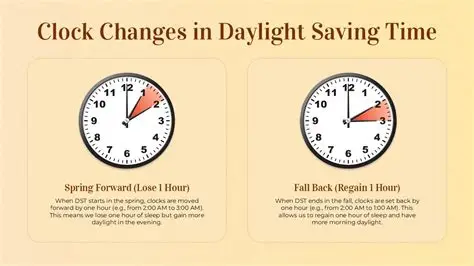
In most parts of the United States, clocks will move backward from 2:00 a.m. to 1:00 a.m. local time on November 1. This means people gain an additional hour during the night.
In the United Kingdom, clocks moved backward from 2:00 a.m. British Summer Time to 1:00 a.m. Greenwich Mean Time on October 25.
Most European countries also moved their clocks back on October 25, although the exact local clock time varies by time zone.
The United States and participating Canadian regions follow a different schedule, with their autumn change taking place one week later.
What Happens When Clocks Go Back?
When daylight saving time ends in autumn, clocks are generally moved backward by one hour.
For example, in most participating areas of the United States, when the clock reaches 2:00 a.m. on November 1, it changes back to 1:00 a.m.
This creates an extra hour during that night. People may use the additional time to sleep, relax, spend time with family, or enjoy a slower start to Sunday.
The change also affects daylight patterns.
Before the clocks go back, sunrise and sunset happen later according to the clock. After the change, mornings become brighter earlier, while evenings become darker earlier.
This adjustment is particularly noticeable for people who travel to work or school in the morning. It can also change the timing of outdoor activities, evening walks, shopping, and social gatherings.
The clock change does not create additional sunlight. Instead, it changes how daylight hours are arranged according to the time displayed on clocks.
What Is Daylight Saving Time?
Daylight Saving Time, commonly known as DST, is a seasonal system in which clocks are moved forward by one hour during part of the year.
The purpose is to shift an hour of daylight from the early morning toward the evening during spring and summer.
When daylight saving time begins, clocks move forward by one hour. This is commonly remembered through the phrase “spring forward.”
When it ends in autumn, clocks move backward by one hour. The familiar expression is “fall back.”
The system is designed to make better use of available daylight during warmer months. It can provide more daylight after typical working and school hours, allowing people additional time for outdoor activities.
However, not every country follows daylight saving time. Some countries remain on the same standard time throughout the year because their governments have decided that seasonal clock changes are unnecessary.
Why Do Countries Change Their Clocks?
The idea behind daylight saving time is connected to the relationship between sunlight and daily schedules.
During spring and summer, days become longer in many parts of the Northern Hemisphere. Moving clocks forward allows more daylight to fall during the evening hours, when many people are finished with work or school.
Historically, governments introduced seasonal clock changes partly in response to energy concerns and the desire to make better use of natural light.
Germany and Austria were among the first countries to introduce daylight saving time nationally in 1916 during the First World War. The practice later spread to other countries.
In the United States, daylight saving time was formally introduced in 1918. The modern schedule generally begins on the second Sunday in March and ends on the first Sunday in November.
The system has changed several times throughout history. Governments have adjusted dates, introduced exceptions, and debated whether seasonal clock changes should continue.
Today, the reasons for observing daylight saving time include lifestyle preferences, evening daylight, historical practices, and national scheduling arrangements.
Daylight Saving Time in the United States
The United States follows a clearly defined daylight saving time schedule.
In 2026, the spring change took place on March 8, when clocks moved forward one hour. The autumn change will take place on November 1, when clocks move backward one hour.
The National Institute of Standards and Technology confirms that daylight saving time ends at 2:00 a.m. local time on November 1, 2026.
Most U.S. states observe daylight saving time, but there are important exceptions.
Hawaii does not observe daylight saving time. Most of Arizona also remains on standard time throughout the year, although the Navajo Nation follows the seasonal clock change.
Some U.S. territories, including Puerto Rico, Guam, and American Samoa, also do not observe daylight saving time.
For residents in participating states, the November adjustment means an earlier sunrise and an earlier sunset according to local clock time.
Daylight Saving Time in the United Kingdom and Europe
The United Kingdom and most European countries follow a different seasonal schedule from the United States.
In 2026, clocks went forward on March 29 and returned to standard time on October 25.
In the UK, clocks moved back from British Summer Time to Greenwich Mean Time. This change restores the country’s standard winter time.
Across mainland Europe, the transition also took place on October 25. Countries such as France, Germany, Italy, Spain, and the Netherlands follow coordinated seasonal time arrangements.
However, Europe contains several time zones, so the exact local clock time differs between regions.
The European Union has discussed ending the twice-yearly clock changes, but no final decision has been adopted. For now, the existing seasonal system remains in place.
This means residents and travellers should continue checking local time rules rather than assuming every country follows the same schedule.
Does Pakistan Observe Daylight Saving Time?
Pakistan does not currently follow a regular daylight saving time system.
This means people living in Pakistan do not need to move their clocks forward or backward when the United States, United Kingdom, or European countries make their seasonal changes.
Pakistan Standard Time remains UTC+5 throughout the year.
However, international clock changes still matter for people in Pakistan who work with overseas companies, attend online classes, communicate with family abroad, or follow international sporting events.
For example, when the United States changes its clocks on November 1, the time difference between Pakistan and many American cities will change by one hour.
People with international meetings or online appointments should check updated time-zone conversions to avoid confusion.
How the Clock Change Affects Daily Life
The daylight saving time clock change may last only a moment, but its effects can be noticeable.
Morning routines: Earlier sunrise can make mornings brighter, which may help some people feel more comfortable when waking up.
Evening activities: Earlier sunsets mean outdoor activities may need to finish sooner. Families and workers may adjust their schedules to make better use of daylight.
Travel and transportation: Flight schedules, train departures, international meetings, and online appointments can become confusing when countries change their clocks on different dates.
Work schedules: Businesses working across international time zones may need to update calendars, meeting invitations, and shift arrangements.
Sleep routines: Some people may need a few days to adjust their sleeping and waking habits after the transition.
The impact differs from person to person. A little preparation can make the change easier and help people maintain a comfortable routine.
Does Changing the Clocks Give People an Extra Hour of Sleep?
One of the most popular benefits of the autumn clock change is the extra hour.
When clocks move backward, the night effectively becomes one hour longer according to local clock time. People who are asleep during the change may get an additional hour of rest without changing their usual bedtime.
However, the extra hour does not guarantee better sleep for everyone.
Some people may wake up earlier than usual because their body clock is accustomed to the previous schedule. Others may find that their daily routine changes for several days.
Maintaining regular sleep habits can help.
Going to bed at a consistent time, limiting bright screens before bedtime, and keeping a comfortable sleeping environment can support a smoother adjustment.
The autumn change is generally considered easier for many people than the spring change because it adds rather than removes an hour from the night.
How to Prepare for the Daylight Saving Time Clock Change
Preparing for the seasonal adjustment does not need to be complicated.
A few simple steps can help prevent confusion and keep daily activities organized.
1. Check your clocks
Most smartphones, computers, and internet-connected devices update automatically when their time-zone settings are correct. However, traditional wall clocks, watches, and some household appliances may require manual adjustment.
2. Review your calendar
Check upcoming appointments, online meetings, and travel schedules, especially if they involve people in different countries.
3. Adjust your sleep routine
Try to maintain a consistent bedtime and waking time. A regular routine can make the transition more comfortable.
4. Check transportation schedules
Travellers should verify flight, train, and bus timings after the time change. International schedules may be displayed in local time.
5. Prepare for earlier sunsets
Plan evening walks, outdoor exercise, and other activities with the changing daylight hours in mind.
6. Check automatic time settings
Make sure your phone and computer are set to the correct time zone and automatic date-and-time updates.
These small actions can prevent unnecessary stress and make the clock change easier to manage.
Will Daylight Saving Time Be Permanent?
The future of daylight saving time remains a subject of debate in several countries.
Some people support keeping daylight saving time throughout the year because they prefer brighter evenings. Others argue that permanent standard time is better because it provides more natural daylight during winter mornings.
In the United States, the Sunshine Protection Act has been discussed as a possible way to make daylight saving time permanent. The House of Representatives passed a version of the proposal in July 2026, but it has not become law.
Recent reporting indicates that the Senate has not reached an agreement to advance the measure, meaning the scheduled November 1 clock change remains in place.
The European Union has also considered ending seasonal clock changes, but its proposal remains unresolved.
Any permanent change would require official legal action. Until then, people should follow the existing time-change schedules in their regions.
The Positive Side of the Autumn Clock Change
Although the seasonal adjustment can create confusion, the autumn clock change also offers some welcome benefits.
The extra hour provides an opportunity to rest, slow down, and enjoy a more relaxed morning. Earlier daylight can make winter mornings feel brighter for people who start work or school early.
The seasonal transition can also encourage people to review their routines, organize their schedules, and prepare for colder months.
Families may use the additional hour to enjoy breakfast together, spend time at home, or take a peaceful morning walk.
The most important thing is to approach the change with preparation rather than frustration. Once people understand the dates and adjust their routines, the transition becomes much easier.
Conclusion: Making the Daylight Saving Time Clock Change Easier
The autumn transition brings an extra hour, earlier morning light, and darker evenings. Although it can affect sleep schedules, travel plans, and international communication, a little preparation can make the adjustment simple.
For people in Pakistan, there is no local clock change, but international time differences remain important when communicating with people overseas.
As the seasons change, understanding how daylight saving time works helps people stay organized, manage their routines, and make better use of available daylight.
The clock may move backward, but life continues forward. With the right preparation, this small seasonal change can become an easy opportunity to rest, reset, and welcome a new season.
Sources and Further Reading
- National Institute of Standards and Technology — Daylight Saving Time Rules
- U.S. Naval Observatory — Daylight Saving Time 2026
- UK Government — When Do the Clocks Change?
- European Council — Seasonal Time Changes
- Reuters — United States Returns to Standard Time in November 2026
Reference: Daily Talks Web — https://dailytalksweb.com/
AIOSEO publishing tip: Use Daylight Saving Time Clock Change as your focus keyphrase. Add a featured image of an autumn clock with the alt text: “Daylight saving time clock change in autumn 2026.”