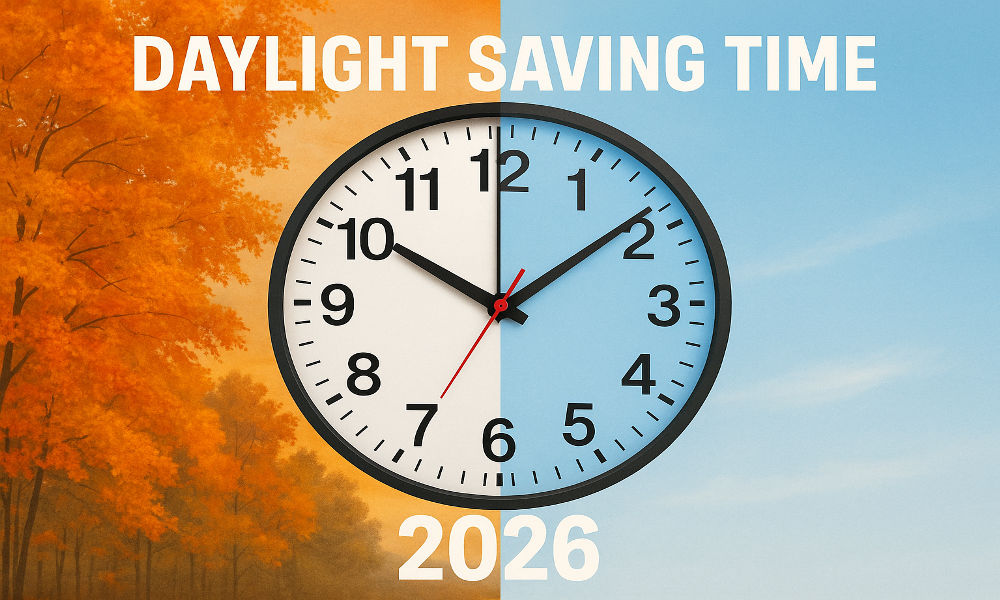
Daylight Saving Time 2026: Understanding the Clock Change
Every year, millions of people wake up wondering whether the clocks have changed overnight. Conversations fill homes, workplaces, and social media as people ask questions about time itself. Did the time change today? Did we lose an hour? Are we moving forward or back?
The answer lies in the tradition known as Daylight Saving Time, often abbreviated as DST. This seasonal shift adjusts clocks to make better use of daylight during different times of the year.
In 2026, like every year before it, the clock change will once again affect daily schedules, sleep patterns, and routines for millions of people across the United States and many other countries.
Yet beyond the confusion and sleepy mornings, the time change carries a deeper purpose: maximizing daylight, encouraging outdoor activity, and bringing communities into alignment with the natural rhythm of the sun.
The Purpose of Daylight Saving Time
The idea behind Daylight Saving Time is simple but powerful. By adjusting clocks forward in the spring and back in the autumn, societies can better match daily schedules with daylight hours.
During the warmer months, the sun rises earlier and sets later. Moving the clock forward ensures that evenings remain brighter, allowing people to enjoy more daylight after work or school.
This extra daylight encourages outdoor activities, social gatherings, and community events. Parks stay active longer, families spend more time outside, and cities come alive with evening energy.
In many ways, Daylight Saving Time transforms how people experience the rhythm of the day.
When the Time Changes in 2026
The year 2026 follows the established schedule for Daylight Saving Time in the United States.
The transition begins in early spring when clocks move forward. This moment is famously known as “spring forward.”
In 2026, the clocks move forward on March 8, 2026, at 2:00 AM local time.
At that exact moment, clocks jump ahead to 3:00 AM. As a result, people technically lose one hour of sleep that night.
While the sudden shift can feel surprising, it also marks the arrival of longer, brighter evenings.
Later in the year, the clocks return to standard time in autumn, giving back the lost hour and signaling the approach of winter.
The Meaning of “Spring Forward”
The phrase “spring forward” has become a cultural tradition associated with the beginning of Daylight Saving Time.
When clocks move forward by one hour, sunrise appears slightly later in the morning, but sunset happens much later in the evening.
This change creates a noticeable difference in daily life. After work or school, the sun remains visible longer, giving people more opportunities to enjoy outdoor activities.
Children play outside longer. Families gather in parks. Restaurants and cafes fill their patios with customers enjoying the extended daylight.
The simple act of moving the clock forward reshapes how people experience the entire day.
Losing an Hour but Gaining Daylight
One of the most common experiences during the time change is the feeling of losing sleep.
When clocks move forward, the night effectively becomes one hour shorter. Many people wake up wondering why they feel slightly more tired than usual.
However, that lost hour comes with an important trade-off: more sunlight in the evening.
This additional daylight has positive effects on lifestyle and well-being. People often feel more energized during longer evenings, and communities benefit from increased activity.
From outdoor sports to evening walks, the extra daylight creates opportunities for healthier routines and social connections.
How Clocks Change Across the United States
The clock change happens simultaneously across most of the United States, though each time zone experiences it according to local time.
Major cities such as Chicago, New York, and Los Angeles all shift their clocks forward at 2:00 AM local time.
In modern times, many digital devices update automatically. Smartphones, computers, and smartwatches adjust themselves overnight, reducing the risk of confusion.
However, traditional clocks—especially wall clocks and kitchen appliances—still need to be adjusted manually.
For many households, the time change has become a small ritual: waking up on Sunday morning and resetting clocks throughout the house.
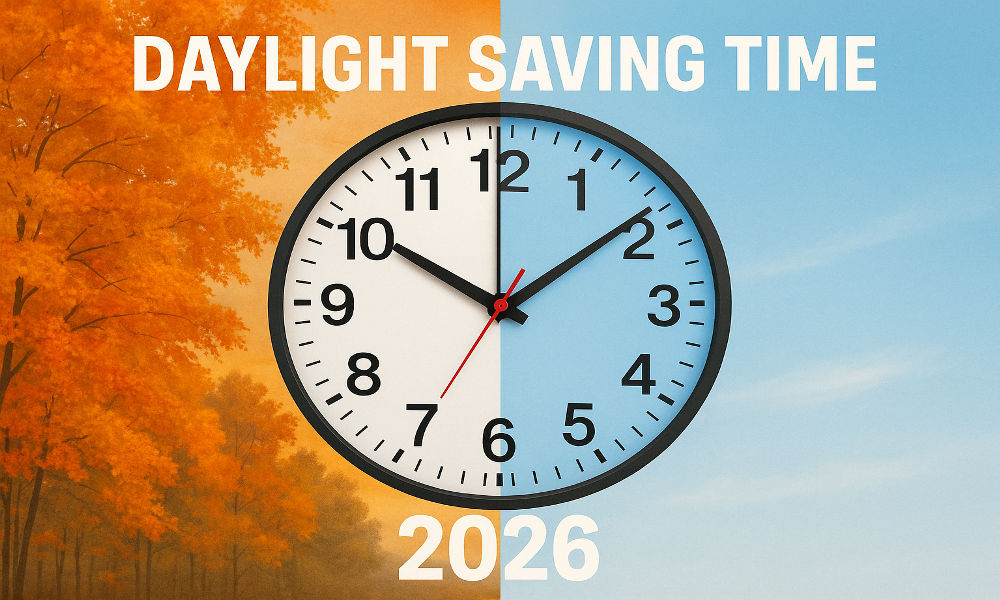
The History Behind the Time Change
The concept of Daylight Saving Time dates back more than a century.
Although various thinkers suggested adjusting clocks to match daylight, the system became widely adopted during the early 20th century.
The goal was to conserve energy by reducing the need for artificial lighting during evening hours.
Over time, the practice evolved into a global tradition used by many countries around the world.
While the original motivations focused on energy conservation, modern benefits include increased outdoor activity, economic opportunities for evening businesses, and a lifestyle that aligns better with daylight hours.
The Emotional Impact of Longer Days
For many people, the arrival of Daylight Saving Time signals more than just a clock adjustment.
It represents the emotional shift from winter to spring.
Longer evenings create a sense of optimism. As sunlight stretches later into the day, communities begin to feel more vibrant and active.
Seasonal activities return—sports leagues resume, outdoor festivals begin, and neighborhoods become lively again.
This transformation highlights the powerful connection between time, sunlight, and human energy.
The simple act of moving clocks forward can make the world feel brighter and more hopeful.
How People Prepare for the Time Change
Although the clock adjustment is small, preparing for it can make the transition smoother.
Many people adjust their sleep schedule slightly in the days before the change, going to bed a little earlier to minimize fatigue.
Others use the time change as an opportunity to refresh their routines. It becomes a moment to reorganize schedules, plan outdoor activities, and embrace the longer evenings ahead.
Families often treat the time change as a seasonal milestone, marking the beginning of spring traditions and outdoor adventures.
The Global Perspective on Daylight Saving Time
While Daylight Saving Time is widely used in the United States, it is not universal.
Different countries have adopted varying approaches to managing seasonal daylight.
Some nations observe the clock change every year, while others have chosen to remain on standard time permanently.
Despite these differences, the global conversation about daylight and time management continues to evolve.
The shared goal remains the same: aligning daily life with the natural cycle of the sun.
Technology and the Modern Clock Change
In earlier decades, adjusting clocks required careful attention to every timepiece in the home.
Today, technology has simplified the process dramatically.
Smartphones, laptops, smartwatches, and digital assistants automatically synchronize with official time servers. When the clock changes overnight, these devices update instantly.
This technological shift has reduced confusion and helped people adapt quickly to the seasonal transition.
Still, many traditional clocks continue to remind us of the physical act of turning time forward.
Looking Toward the Future of Time Changes
The discussion about whether Daylight Saving Time should continue remains active in many countries.
Some lawmakers and experts debate whether maintaining a permanent time system might simplify schedules and reduce confusion.
Others believe the benefits of longer summer evenings make the tradition worthwhile.
Regardless of future decisions, the time change remains an enduring part of modern life.
Each year, it marks the turning of the seasons and the arrival of brighter days.
Conclusion
The clock change associated with Daylight Saving Time may seem small—just one hour forward or back—but its impact reaches into daily routines, community life, and seasonal rhythms.
In 2026, the shift on March 8 reminds people across the United States that spring has arrived and longer days are ahead.
Although one hour of sleep disappears for a night, the reward is evenings filled with sunlight, activity, and possibility.
Daylight Saving Time is more than a simple adjustment of clocks. It is a tradition that connects society to the changing seasons and reminds us that time, like nature, is always moving forward.