India and Pakistan: Decades of Rivalry and Renewed Tensions
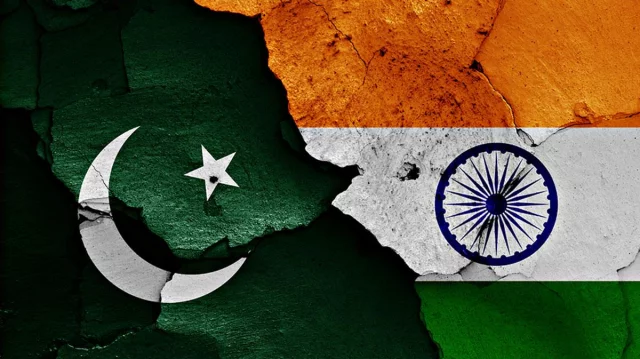
The long-standing rivalry between India and Pakistan, indeed, remains one of the most widely discussed geopolitical conflicts in the world. From past wars to ongoing border skirmishes, and more recently, provocative political statements, this tension has, over time, intensified significantly. Consequently, the prospect of a Pakistan vs India war continues to draw global attention. Moreover, as both nuclear-armed nations remain on high alert along critical borders such as the Line of Control (LoC) and the Working Boundary, concerns have, in turn, grown even further. Therefore, the international community watches closely, fearing that any misstep could, ultimately, lead to a dangerous escalation.
In this article, we will explore:
- Historical background of Indo-Pak wars
- The main triggers of current tensions
- Which side seems to be preparing for war
- Diplomatic efforts and prospects
Historical Background – Indo-Pak Conflicts
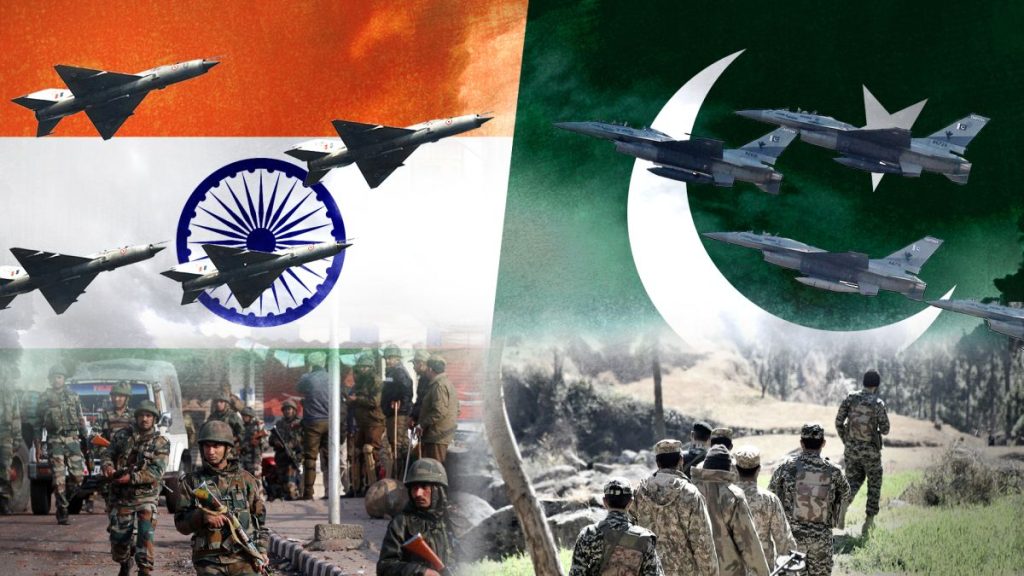
Since gaining independence in 1947, India and Pakistan have fought four major wars:
- First Indo-Pak War (1947–1948) – Over Jammu & Kashmir
- Second War (1965) – Again centered around Kashmir
- Third War (1971) – Led to the creation of Bangladesh
- Kargil Conflict (1999) – High-altitude warfare in the Kargil district
Each war has left scars, shaped public perception, and worsened bilateral relations. The Kashmir dispute remains the most volatile issue, often cited as a flashpoint for any future war.
Recent Developments and Rising Tensions
In the last few years, tensions between India and Pakistan have flared due to several incidents:
1. Pulwama Attack (2019)
A suicide bombing in Jammu and Kashmir killed 40 Indian paramilitary personnel. India blamed Pakistan-based group Jaish-e-Mohammed, leading to Balakot airstrikes by the Indian Air Force.
2. Article 370 Abrogation
India revoked the special status of Jammu and Kashmir in 2019, a move strongly opposed by Pakistan. It led to a downgrading of diplomatic ties and increased military deployment on both sides.
3. Cross-Border Ceasefire Violations
The LoC has seen thousands of ceasefire violations, leading to the loss of civilian and military lives.
4. Media & Political Rhetoric
Moreover, both countries’ media outlets and political figures have repeatedly issued inflammatory statements; in addition, they often utilize war rhetoric as a strategic propaganda tool to influence internal politics. Consequently, this ongoing narrative further fuels public sentiment and, in turn, escalates bilateral tensions. Therefore, instead of promoting dialogue, such actions continuously deepen the divide between the two nations.
Which Country Wants War?
It’s essential to understand, however, that neither Pakistan nor India officially seeks war, particularly given the nuclear capabilities of both nations. Nevertheless, the actions and rhetoric from both sides, in contrast, suggest different strategic directions. Consequently, while both countries may publicly avoid confrontation, their ongoing maneuvers indicate a potential shift toward more aggressive postures. Therefore, despite the official stance, the situation remains fraught with risks.
India’s Direction: Strategic Dominance
- India has increased defense spending and invested in advanced missile systems like Rafale jets, BrahMos missiles, and AI-based warfare.
- Political leaders, especially under the BJP government, have used national security as a central theme.
- India wants to show dominance in the South Asian region, with a proactive stance.
Pakistan’s Direction: Strategic Defense
- Pakistan continues diplomatic efforts to raise the Kashmir issue globally.
- It maintains a credible deterrence policy, including tactical nuclear capabilities.
- Pakistan’s leadership emphasizes defense, while urging international bodies like the UN to intervene.
While India seems more aggressive in posture, Pakistan maintains a defensive but vigilant stance, ready to respond to any incursions.
Kashmir – The Root of Conflict
The Kashmir region remains the most sensitive and disputed territory:
- Both countries claim the region in full but control only parts.
- The Kashmiri people have suffered from decades of militarization, curfews, and a lack of political rights.
- Many analysts believe any spark in Kashmir can trigger a full-scale conflict.
Military Power Comparison – India vs Pakistan
| Feature | India | Pakistan |
|---|---|---|
| Active Personnel | 1.4 million | 654,000 |
| Nuclear Warheads | Approx. 160–170 | Approx. 165 |
| Defense Budget | $76 billion | $11 billion |
| Fighter Jets | Sukhoi Su-30, Rafale | F-16, JF-17 |
| Naval Strength | Aircraft carriers, nuclear subs | Submarines, frigates |
India has the numerical advantage, but Pakistan maintains asymmetrical warfare strategies, including well-trained Special Forces and missile defense.
Impact on Civilians and Global Peace
A potential war would:
- Led to millions of casualties on both sides.
- Causes economic devastation, especially in border regions.
- Create a refugee crisis.
- Affect neighboring countries and global trade routes.
Nuclear escalation is a worst-case scenario, feared by defense analysts worldwide.
International Reactions and Diplomatic Pressure
Countries like China, the USA, and Russia have consistently urged both nations to avoid conflict; however, despite these appeals, tensions persist. Meanwhile, the UN Security Council has, nonetheless, called for dialogue, emphasizing the need for peaceful negotiations. On the other hand, platforms like SAARC, although intended to foster regional cooperation, remain largely ineffective due to the deep-rooted Indo-Pak rivalry. Consequently, while international efforts continue, the path to resolution remains challenging and elusive.
- USA supports India strategically but urges peace.
- China, while allied with Pakistan, advocates regional stability.
- Middle Eastern countries like the UAE and Saudi Arabia offer mediation but have limited influence.
Cyber Warfare and Modern Conflicts
Both nations are now engaging in non-traditional warfare, including:
- Cyber-attacks on government systems
- Fake news campaigns
- Espionage through digital platforms
This shows that future wars might not always be fought on the battlefield.
Peace Initiatives and Hope for the Future
Despite the hostility, people-to-people connections remain strong:
- Artists, cricketers, and intellectuals often promote unity.
- The Kartarpur Corridor is a symbol of cross-border peace efforts.
- Youth on both sides express a desire for jobs, education, and technology, not war.
Conclusion
While, undoubtedly, the threat of war between Pakistan and India continues to make headlines, the reality, however, is far more complex. In addition to political posturing, military build-up, and media wars, which continuously feed into the tension, it is important to note that actual conflict would, without a doubt, be catastrophic. Consequently, while the rhetoric escalates, the potential for widespread devastation remains ever-present. Therefore, despite the heightened tensions, the true risk lies in the consequences of a full-scale war.
Both nations must invest in dialogue, diplomacy, and mutual respect.
War, as history has shown, benefits no one; however, on the other hand, peace, trade, and cooperation have the potential to uplift 1.6 billion people. Moreover, fostering these positive avenues not only promotes stability but also creates opportunities for economic growth and prosperity. Therefore, while conflict may seem like an option, the long-term benefits of collaboration far outweigh any short-term gains from war. In this way, peace becomes the most beneficial path for all parties involved.