Kankakee Tornado: Community Rises Stronger from Devastation
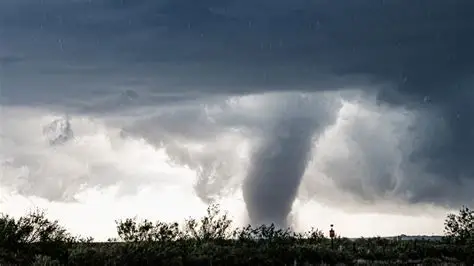
Nature’s fury struck without warning on March 10, 2026. A massive tornado tore through Kankakee County, Illinois, leaving death and destruction in its wake. Two lives were lost. Homes were flattened. Power lines crashed to the ground. Trees that stood for generations were uprooted in seconds.
Yet from this devastation emerges something powerful. The Kankakee community is rising. Neighbors are helping neighbors. First responders worked through the night. Volunteers arrived from across the state. This is the upside of tragedy—the human spirit refusing to break.
The Storm That Changed Everything
The tornado touched down near the Kankakee fairgrounds around 7:30 PM. It traveled northeast through Aroma Park and into Indiana. The damage path stretched over 100 miles. For nearly four hours, a relentless supercell churned across the landscape.
Nine people suffered injuries in Kankakee County alone. Emergency crews immediately deployed for search and rescue operations. The south side of Kankakee bore the brunt of the impact. Major damage rippled through neighborhoods that moments earlier were peaceful.
The storm didn’t just bring wind. It brought history-making hail. A six-inch hailstone fell in Kankakee—potentially a state record for Illinois. Hail measuring 5.2 inches in diameter was reported southwest of the city. If confirmed, this would be the largest hailstone recorded in Illinois in at least 65 years.
A History of Resilience
This isn’t Kankakee’s first encounter with nature’s wrath. On April 17, 1963, an F4 tornado carved a 70-mile path from Essex through Bourbonnais and into Indiana. That storm killed one person and injured 70 others. It caused $22.5 million in damage in today’s dollars.
The 1963 tornado was one of the most powerful ever recorded in northeast Illinois. It destroyed barns, leveled wooded areas, and demolished the Country Fare restaurant on Route 113. A farmer found the restaurant’s front door in his field, on the opposite side of the Kankakee River.
Yet the community rebuilt. They recovered. They grew stronger. That same spirit animates today’s response.
Immediate Heroes Emerge
In the darkest moments, heroes emerged. First responders worked through dangerous conditions to reach trapped residents. Utility crews began restoring power within hours. Medical personnel treated the injured with skill and compassion.
Leeon Davis became a legend during the 1963 tornado. He raced ahead of that storm in a small plane, buzzing farmhouses at rooftop level to warn 40 to 50 families. He risked his life to save strangers. That legacy of courage continues today.
Modern technology has improved warning systems dramatically. The National Weather Service issued timely alerts. Emergency broadcast systems activated. Social media spread critical information. These tools saved lives.
The Power of Community Response
Within hours of the storm passing, volunteers mobilized. Local churches opened their doors as shelters. Food banks distributed supplies. Neighbors shared generators, chainsaws, and helping hands.
The upside of disaster is always the same. It strips away the superficial. It reveals what truly matters. In Kankakee, what matters is community.
Residents are checking on elderly neighbors. Businesses are donating supplies. Schools are organizing relief efforts. This is the Midwest at its finest—practical, compassionate, and unbreakable.
Rebuilding with Purpose
Recovery will take time. Some losses can never be replaced. But Kankakee has advantages that accelerate healing.
The region has experience with severe weather. Building codes have improved since 1963. Emergency management systems are more sophisticated. Federal and state disaster assistance will flow to the area.
More importantly, the community has spirit. They have proven they can rebuild. They have shown they support each other. These intangible assets matter more than insurance policies or government aid.
Economic Upside of Renewal
Disaster recovery often brings unexpected benefits. Infrastructure gets upgraded. Building standards improve. Communities become more resilient. Kankakee has opportunity in this crisis.
New construction can incorporate modern safety features. Updated electrical systems can better withstand storms. Improved drainage can reduce future flooding risks. Smart rebuilding makes the community stronger than before.
The 1963 tornado taught valuable lessons. Those lessons were applied in subsequent decades. Today’s response benefits from 63 years of accumulated wisdom. Tomorrow’s Kankakee will be even better prepared.
Weather Preparedness Saves Lives
This tornado demonstrates both vulnerability and strength. It shows how much progress has been made in forecasting and warning. It also shows how much remains to be done.
The National Weather Service tracked this storm with remarkable precision. Doppler radar identified rotation. Forecasters predicted the supercell’s path. Warnings reached residents with time to seek shelter.
Yet technology alone cannot eliminate risk. Personal preparedness remains essential. Every family should have a tornado plan. Every home should have a designated shelter area. Every community should practice emergency drills.
Kankakee’s experience can educate others. Their response can become a model. Their resilience can inspire neighboring communities to strengthen their own preparedness.
Looking Forward with Hope
The days ahead will be difficult. Grief must be processed. Damage must be assessed. Lives must be rebuilt. But Kankakee will emerge from this stronger.
History proves this truth. The 1963 tornado didn’t destroy the community. It forged it. Today’s challenges will similarly strengthen bonds between neighbors, between businesses, between generations.
The upside is always present. It exists in the helping hands extended across fence lines. It lives in the first responders who ran toward danger. It grows in the determination to rebuild better than before.
Kankakee is more than a place on the map. It is a community of people who refuse to be defeated. The tornado took lives and property. It cannot take their spirit.
Lessons for the Future
Every disaster teaches. Kankakee’s experience offers insights for other communities.
Building codes matter. Homes constructed to modern standards withstand storms better. Infrastructure investment pays dividends during emergencies. Early warning systems save lives.
Community cohesion is the ultimate resilience factor. Technical systems fail. Power goes out. Communication breaks down. But neighbors helping neighbors continues regardless.
Kankakee demonstrates this truth. Their response shows what is possible when people care for each other. Their recovery will demonstrate what is achievable when communities commit to collective action.
The Path Ahead
Reconstruction will proceed in phases. Emergency response gives way to damage assessment. Assessment leads to planning. Planning becomes rebuilding.
Throughout this process, the upside will manifest. New relationships will form. New capabilities will develop. New appreciation for community will take root.
Kankakee will remember March 10, 2026. They will remember the losses. They will also remember the response. They will remember who showed up to help. They will remember how they supported each other.
This memory will sustain them. It will guide future preparedness. It will strengthen community bonds for generations.
Conclusion: Unbreakable Spirit
Tornadoes destroy buildings. They cannot destroy communities. Kankakee proves this truth.
The upside of this tragedy is transformation. It is the opportunity to rebuild stronger, smarter, and more connected. It is the chance to demonstrate that Midwestern values—hard work, neighborliness, perseverance—remain alive and powerful.
Kankakee will rise. The scars will remain, but so will the strength. The losses will be mourned, but so will the heroism be celebrated. The buildings will be reconstructed, but the community will be renewed.
This is the upside of resilience. This is the power of a community that refuses to break.