LaGuardia Airport: America’s Best Airport Transformation Success
New York’s most notorious airport became its most celebrated. LaGuardia Airport, once synonymous with delays, congestion, and frustration, has been named Best U.S. Airport for the second consecutive year by Forbes Travel Guide’s Verified Air Travel Awards . This transformation from transportation nightmare to world-class gateway represents one of the most remarkable infrastructure success stories in modern American history.
The upside of this $8 billion redevelopment extends far beyond awards and recognition. It demonstrates that visionary investment, public-private partnership, and relentless execution can convert decades of dysfunction into excellence. LaGuardia’s success provides a template for infrastructure renewal nationwide, proving that even the most troubled facilities can become sources of civic pride.
From National Embarrassment to Global Model
For decades, LaGuardia symbolized everything wrong with American infrastructure. Vice President Joe Biden famously compared it to a “third world country” in 2014. The airport’s cramped terminals, chronic delays, and frustrating passenger experience made it a punchline rather than a gateway. Travelers endured LaGuardia; they didn’t enjoy it.
The upside of this low starting point is dramatic transformation. When the Port Authority of New York and New Jersey announced the comprehensive redevelopment plan in 2015, skepticism was universal. Rebuilding an active airport while maintaining operations seemed impossible. Creating world-class facilities from dysfunctional infrastructure appeared unrealistic. Yet by 2022, substantial completion had arrived. By 2024, Delta’s Terminal C was fully operational. By 2025, LaGuardia was winning consecutive best-airport awards .
This journey from embarrassment to excellence demonstrates that infrastructure problems are solvable with sufficient investment and determination. The Port Authority’s $8 billion commitment—two-thirds funded through private financing and passenger fees rather than taxpayer dollars—created a sustainable funding model that other regions can replicate .
The Architectural Achievement
LaGuardia’s new terminals represent architectural triumph. Terminal B, opened in phases between 2018 and 2022, features a soaring 1.3 million-square-foot arrivals and departures hall that has won recognition as the best new airport terminal in the world, including the prestigious Prix Versailles from UNESCO and a 5-star Skytrax rating—the first in the United States .
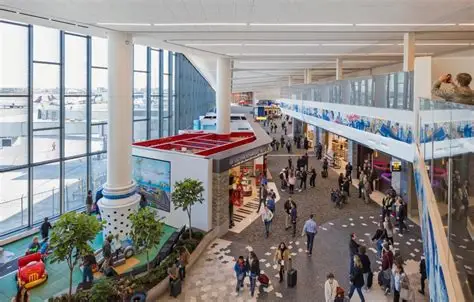
Delta’s Terminal C, completed in 2024, matches this excellence. The $4 billion, 1.3 million-square-foot facility consolidates 37 gates across four concourses with floor-to-ceiling windows, world-class art curated by the Queens Museum, and cutting-edge technology including hands-free bag drop and Digital ID screening . The terminal’s LEED Silver certification demonstrates environmental responsibility alongside passenger comfort .
The upside of this design is functional beauty. Passengers move through intuitive spaces filled with natural light. Artworks by local artists celebrate Queens’ cultural diversity. Concessions feature local favorites like Bubby’s and Chuko Ramen rather than generic chains . The airport became a destination reflecting New York’s energy rather than a facility travelers endured.
Record-Breaking Performance
LaGuardia’s transformation isn’t merely aesthetic—it’s operational. The airport handled 1.2 million passengers during the 2025 year-end holiday travel period, a 4.3% increase from the previous year and a new record . August 2025 marked the airport’s busiest August ever with 3 million passengers . These volumes, managed smoothly by new infrastructure, demonstrate that capacity and experience can coexist.
The upside of this performance is economic vitality. Record passenger numbers generate revenue for airlines, concessions, and the regional economy. They validate the investment thesis behind the redevelopment. They position LaGuardia to handle continued growth as New York’s tourism and business sectors expand.
Delta Air Lines, the airport’s largest carrier with up to 255 daily departures, has leveraged the new facilities to enhance its New York hub. The airline’s $4 billion investment in Terminal C created the largest Delta Sky Club in its system—34,000 square feet with seating for nearly 600 guests . This amenity attracts premium travelers and generates loyalty that benefits both the airline and the airport.
The Technology Upside
LaGuardia’s redevelopment prioritized technological innovation alongside physical construction. Terminal C features TSA PreCheck Touchless ID, allowing eligible travelers to check bags and clear security using facial recognition—reducing contact points and accelerating processing . Digital art installations, including a 238-foot digital backwall displaying TSA wait times and gate information, keep passengers informed .
The upside is efficiency. Technology reduces friction in the travel experience, minimizing stress and maximizing convenience. Passengers spend less time in lines and more time enjoying amenities. Airlines benefit from faster turnarounds. Security improves through biometric verification. These innovations, implemented during construction rather than retrofitted later, position LaGuardia at aviation’s technological frontier.
The airport’s sensory room, designed for travelers with sensory sensitivities, demonstrates inclusive innovation. The interfaith chapel provides spiritual space. Pet relief areas accommodate animal travelers. These thoughtful amenities recognize that modern airports serve diverse needs .
The Accessibility Revolution
Infrastructure projects often prioritize capacity over accessibility. LaGuardia’s redevelopment inverted this hierarchy. The new terminals feature centralized security reducing backtracking, clear wayfinding in multiple languages, and design elements that accommodate travelers with disabilities .
The upside is universal design. Features created for accessibility—clear signage, level pathways, sensory accommodations—improve experience for all users. Families with young children, elderly travelers, and first-time flyers benefit alongside those with specific accessibility needs. This inclusive approach expands LaGuardia’s market and enhances its reputation.
The airport’s outdoor sky deck, offering tarmac views and fresh air, represents accessibility of a different kind—access to nature within an urban transportation hub . This amenity, rare in American airports, improves the psychological experience of travel, reducing stress and creating memorable moments.
The Economic and Cultural Impact
LaGuardia’s transformation generates economic benefits that extend beyond aviation. The redevelopment employed approximately 9,000 construction workers and awarded over 35% of contracts to minority- and women-owned businesses . This investment in local workforce development created skills and opportunities that persist beyond construction.
The upside is community integration. LaGuardia’s art program, developed with the Queens Museum, features works that reflect the borough’s immigrant history and cultural diversity . Local artists gained exposure. Travelers gained education. The airport became a cultural ambassador rather than merely a transportation facility.
The economic impact of improved passenger experience is harder to quantify but equally significant. Business travelers who previously avoided LaGuardia now choose it. Tourists arrive with positive first impressions of New York. These shifts, multiplied across millions of annual passengers, generate economic activity that justifies the redevelopment investment.
The Template for Future Infrastructure
LaGuardia’s success provides lessons for infrastructure projects nationwide. The public-private partnership model, with two-thirds private funding, reduces taxpayer burden while maintaining public oversight. The phased construction approach, maintaining operations throughout redevelopment, proves that disruption can be minimized. The focus on passenger experience rather than mere capacity expansion demonstrates that infrastructure should serve people, not just process volume.
The upside is replicability. Airports across America face similar challenges—aging facilities, capacity constraints, passenger dissatisfaction. LaGuardia’s roadmap offers guidance. The Port Authority’s 2026-2035 Capital Plan proposes further investment, including Terminal A replacement and new bus services, suggesting that successful transformation creates appetite for continued improvement .
Looking Forward
LaGuardia’s transformation continues. The Port Authority’s proposed $45 billion capital plan includes replacing the 85-year-old Terminal A while preserving its historic rotunda . New taxi services and bus connections will improve ground transportation. These investments, building on existing success, position LaGuardia for decades of continued excellence.
The upside of this forward commitment is sustained leadership. Airports cannot rest on past achievements. Passenger expectations evolve. Technology advances. Competition intensifies. LaGuardia’s willingness to continue investing, to maintain its hard-won position as America’s best airport, demonstrates the institutional mindset that created its transformation.
Conclusion: The Upside of Transformation
LaGuardia Airport’s journey from national embarrassment to consecutive Best U.S. Airport awards demonstrates that infrastructure redemption is possible. The $8 billion investment, the years of construction disruption, the complexity of rebuilding while operating—all were justified by the result.
The upside extends beyond LaGuardia’s terminals. It is proof that American infrastructure can compete globally. It is a model for public-private partnership. It is inspiration for other troubled facilities that transformation, while difficult, is achievable. It is validation that passenger experience matters and that investment in that experience generates returns.
Travelers arriving at LaGuardia today encounter something their predecessors never did: pride. Pride in the facility’s design. Pride in its efficiency. Pride in its reflection of New York’s ambition. This emotional response, impossible to engineer directly but achievable through sustained excellence, is the ultimate upside of LaGuardia’s remarkable transformation.