Senate Republican Conference: Leadership, Role, and Influence in the U.S. Senate
The Senate Republican Conference plays a central role in shaping legislation, influencing national policy, and representing Republican priorities within the United States Senate. As one of the two major party organizations in the Senate, the conference helps coordinate strategy, develop policy positions, and unite Republican senators on key legislative issues.
From economic policy and national security to healthcare, energy, and judicial appointments, the Senate Republican Conference has a significant impact on decisions that affect millions of Americans. Its leadership works to build consensus among members while responding to the evolving needs of the country.
Understanding how the conference operates provides valuable insight into the legislative process and the broader functioning of the U.S. government. This comprehensive guide explains the conference’s structure, responsibilities, leadership, priorities, and its role in American democracy.
What Is the Senate Republican Conference
The Senate Republican Conference is the official organization of Republican senators serving in the United States Senate.
It serves as the primary forum where Republican senators:
- Discuss legislative priorities
- Coordinate political strategy
- Elect conference leaders
- Exchange policy ideas
- Prepare for Senate debates and votes
- Communicate shared policy positions
While each senator represents the interests of their own state, the conference helps members collaborate on issues with national importance.
Purpose of the Senate Republican Conference
The conference exists to promote cooperation among Republican senators while advancing legislative priorities.
Its primary goals include:
- Developing unified policy positions
- Coordinating legislative strategy
- Supporting conference members
- Improving communication
- Preparing for Senate proceedings
- Encouraging collaboration
The organization allows senators to discuss important legislation before it reaches the Senate floor.
How the Conference Is Organized
The Senate Republican Conference operates through elected leadership positions.
Although leadership may change after elections or internal votes, the conference generally includes:
Senate Republican Leader
The leader serves as the chief spokesperson and strategic coordinator for Republican senators.
Responsibilities include:
- Leading legislative planning
- Negotiating with Senate leadership
- Coordinating floor strategy
- Representing the conference publicly
The leader works closely with committee chairs and conference members throughout the legislative process.
Conference Chair
The conference chair manages internal communications and helps organize meetings among Republican senators.
The chair also assists in communicating conference priorities to members and the public.
Policy Committee
The policy committee analyzes legislation and provides research that supports informed decision-making.
Members receive information regarding proposed bills, economic developments, and public policy issues.
Additional Leadership Roles
Other leadership positions may include:
- Whip
- Vice Chair
- Committee leaders
- Communications leadership
Together, these officials help coordinate conference activities throughout each congressional session.
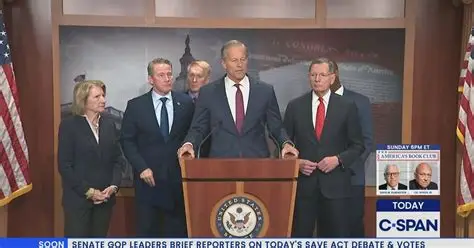
How the Senate Republican Conference Functions
The conference regularly meets to discuss upcoming legislative business.
Meetings often focus on:
- Pending legislation
- Budget negotiations
- National security
- Economic policy
- Committee reports
- Floor scheduling
Although discussions remain confidential, conference decisions help shape Republican legislative strategy.
Legislative Priorities
While priorities evolve based on national events and congressional sessions, the Senate Republican Conference frequently addresses several major policy areas.
Economic Growth
Economic policy remains one of the conference’s primary focuses.
Common objectives include:
- Encouraging job creation
- Supporting entrepreneurship
- Promoting business investment
- Maintaining fiscal responsibility
- Strengthening economic competitiveness
Economic legislation often receives significant attention during Senate sessions.
National Security
Protecting national security continues to be a central priority.
Legislative discussions may involve:
- Defense funding
- Military readiness
- Border security
- Cybersecurity
- Intelligence operations
These issues remain important components of congressional policymaking.
Energy Policy
Energy policy affects both the economy and national security.
Topics often include:
- Domestic energy production
- Infrastructure development
- Energy independence
- Innovation
- Environmental stewardship
The conference frequently discusses balancing economic growth with responsible resource management.
Healthcare
Healthcare legislation remains one of the most debated issues in Congress.
Conference discussions often involve:
- Healthcare accessibility
- Cost reduction
- Medical innovation
- Rural healthcare
- Insurance markets
Policy proposals vary depending on legislative priorities and public needs.
Judicial Appointments
The Senate plays an important constitutional role in confirming federal judges.
The conference helps coordinate review and confirmation processes for judicial nominees presented to the Senate.
These appointments often have long-term implications for the federal judiciary.
Relationship with Senate Committees
Much of the Senate’s work occurs within committees.
Republican senators serve on committees responsible for areas such as:
- Finance
- Judiciary
- Armed Services
- Agriculture
- Energy
- Commerce
- Homeland Security
- Foreign Relations
Committee work involves hearings, expert testimony, bill development, and oversight responsibilities.
The conference helps coordinate committee priorities with broader legislative goals.
Decision-Making Process
Although the conference seeks unity, senators maintain independence in representing their states.
Conference meetings encourage discussion before major votes.
Members often:
- Share perspectives
- Review policy analysis
- Debate proposals
- Consider constituent interests
This collaborative process helps inform legislative decisions.
Importance in American Government
The Senate Republican Conference contributes significantly to the legislative process.
Its work influences:
- Federal legislation
- Budget negotiations
- National policy
- Committee activities
- Senate scheduling
- Public communication
The conference represents one part of the broader constitutional system of checks and balances.
Working Across Party Lines
Although political differences naturally exist, many major bills receive bipartisan consideration.
Republican senators frequently negotiate with Democratic colleagues on issues involving:
- Infrastructure
- Veterans’ services
- National security
- Disaster relief
- Scientific research
Successful legislation often requires collaboration across political perspectives.
Public Communication
The conference also communicates policy positions through:
- Press conferences
- Official statements
- Social media
- Public speeches
- Committee hearings
These communications help explain legislative priorities to the public.
Transparency contributes to public understanding of congressional activities.
Challenges Facing the Conference
Modern governance presents several ongoing challenges.
Political Polarization
Increasing political division can make bipartisan compromise more difficult.
Complex Policy Issues
Topics such as artificial intelligence, cybersecurity, healthcare, and global trade require detailed legislative analysis.
Public Expectations
Citizens expect Congress to address national challenges efficiently while maintaining accountability.
Balancing diverse viewpoints remains an important leadership responsibility.
Why Senate Conferences Matter
Political conferences help organize legislative work.
Without coordinated planning, managing hundreds of bills and committee activities would be far more difficult.
The Senate Republican Conference provides:
- Strategic coordination
- Policy development
- Leadership communication
- Legislative planning
- Member collaboration
These functions contribute to the overall effectiveness of Senate operations.
Looking Toward the Future
The Senate Republican Conference will continue adapting to changing national priorities.
Future discussions are likely to address:
- Artificial intelligence
- Energy innovation
- Economic competitiveness
- National security
- Workforce development
- Infrastructure modernization
Emerging technologies and global developments will continue shaping legislative priorities.
Why Understanding the Conference Matters
Citizens benefit from understanding how Congress functions.
Learning about organizations like the Senate Republican Conference helps explain:
- How legislation develops
- How leaders coordinate policy
- Why political negotiations occur
- How Senate decisions affect everyday life
Greater civic knowledge encourages informed public participation in democracy.
Conclusion
The Senate Republican Conference serves as a vital component of the United States Senate, helping Republican senators coordinate legislative strategy, develop policy priorities, and represent their constituents on issues of national importance. Through leadership, collaboration, and committee work, the conference plays an influential role in shaping debates on the economy, healthcare, energy, national security, judicial appointments, and many other critical areas of public policy.
As the political landscape continues to evolve, the conference will remain an important institution within Congress, balancing party priorities with the responsibilities of governance and public service. Its work reflects the broader democratic process, where discussion, negotiation, and legislative action combine to address the nation’s most pressing challenges.