Introduction: A Sudden Darkness Over Southern Europe
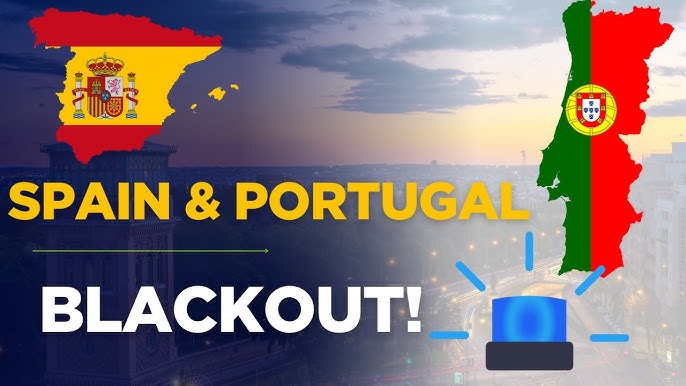
In April 2025, Spain and Portugal were abruptly plunged into darkness due to a large-scale power outage that affected millions. This unexpected crisis not only disrupted the daily lives of citizens but also sent shockwaves through various industries, from manufacturing to transportation. The blackout, lasting several hours in some regions and days in others, is now being regarded as one of the most significant infrastructural failures in recent European history.
In this article, we will dive deep into what caused the power outage in Spain and Portugal, assess the financial losses across different sectors, examine its impact on everyday life, and evaluate the governmental response in restoring normalcy.
What Caused the Power Outage?
Initial reports from grid operators in both countries indicated that the outage was triggered by a fault in the cross-border electricity interconnection. Experts believe a cascade failure—a technical term for a chain reaction of system failures—was the root cause. The breakdown reportedly began with an equipment failure at a major transmission hub in northern Spain, which then disrupted the synchronized grid shared with Portugal.
Some energy analysts have also pointed to aging infrastructure and increased demand from electric vehicles and smart homes as underlying stress factors on the national grids. With climate change pushing temperatures higher, air conditioning systems were also working at full capacity, further burdening the already fragile network.
How Long Did the Blackout Last?
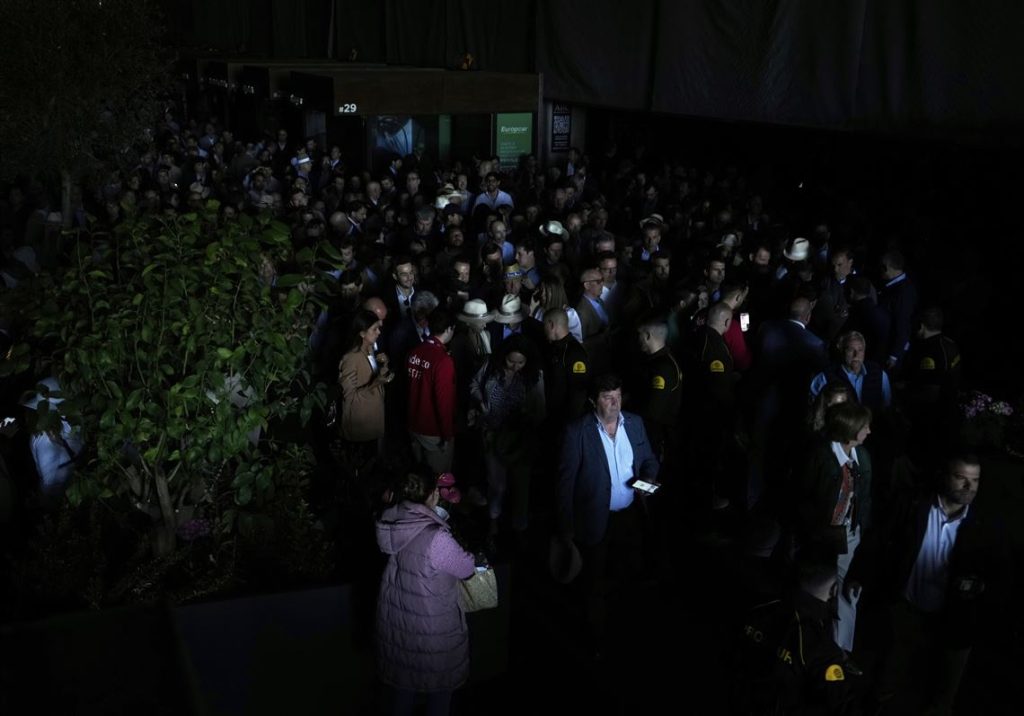
The initial power cut began around 2:30 PM local time on April 23, 2025. While major urban centers like Madrid, Lisbon, Barcelona, and Porto experienced short blackouts ranging from 1 to 4 hours, rural areas and industrial zones were hit much harder. In some remote parts of Andalusia and the Alentejo region, electricity was not fully restored until 36 hours later.
According to government officials, full grid stability was re-established by April 25, but intermittent issues and voltage fluctuations continued for several days.
Industrial Losses: Billions in Economic Damage
The blackout had a profound impact on the economies of both nations. Here are some industry-specific losses:
1. Manufacturing
Factories had to halt production lines, causing both immediate and long-term financial damage. According to Spain’s Ministry of Industry, losses in the manufacturing sector alone are estimated at €1.3 billion. Automotive plants in northern Spain reported mechanical faults and wasted materials due to the sudden shutdowns.
2. Transportation and Logistics
Portugal’s national rail service, Comboios de Portugal, was temporarily paralyzed. Flights were delayed or canceled at airports in both countries. Additionally, the blackout severely disrupted logistics companies that rely on just-in-time delivery systems. Industry analysts estimate €600 million in transportation-related losses.
3. Agriculture
Perishable goods like dairy and fresh vegetables suffered the most. With no refrigeration available in many rural areas, farmers reported spoiled produce and livestock stress. Preliminary reports estimate losses of over €200 million in the agricultural sector.
4. Retail and E-Commerce
POS (Point-of-Sale) systems, online payment gateways, and logistics chains all went down, leading to a complete halt in operations for thousands of businesses. Analysts believe the retail industry collectively lost around €800 million during the blackout.
Impact on Daily Life and Public Safety
Beyond the economic damage, the societal impact of the outage was just as significant:
1. Hospitals and Emergency Services
Though major hospitals had backup generators, smaller clinics and care facilities were ill-equipped to deal with such a crisis. Several emergency surgeries had to be rescheduled, and patients with critical needs experienced delays in treatment.
2. Education
Online classes were canceled, and many schools had to shut down temporarily. Examinations scheduled during the blackout period were postponed, adding stress to both students and parents.
3. Public Transport and Traffic
Traffic lights failed, causing widespread chaos and accidents in urban areas. Metro services in Lisbon and Madrid were suspended for several hours, leaving commuters stranded.
4. Household Inconveniences
People were unable to charge phones, use the internet, or even cook meals. With smart homes becoming more common, many found themselves locked out or unable to control basic home appliances.
Government Response: A Race Against Time
Both Spanish and Portuguese governments acted swiftly. Emergency protocols were activated, and military personnel were deployed to assist with traffic control, public safety, and technical support in remote areas.
Key steps taken included:
- Activating backup power stations and diesel generators.
- Coordinating with European energy agencies for technical support.
- Launching an immediate audit of the electrical grid.
- Establishing a public compensation scheme for affected businesses.
By April 26, government agencies announced that 98% of all areas had regained stable electricity. The full investigation is still ongoing, with a preliminary report expected by mid-May 2025.
Future Plans: Strengthening the Grid
In light of this event, both governments have vowed to invest heavily in grid modernization. Key proposals under discussion include:
- Smart Grid Deployment: To allow better control and monitoring of power distribution.
- Underground Cabling: To minimize damage from environmental factors.
- Regional Power Redundancy Systems: So that a single fault does not trigger a nationwide blackout.
- Increased Energy Storage: Through battery farms and pumped hydro systems.
- Cybersecurity Enhancements: To protect against potential attacks or digital sabotage.
Lessons for the Rest of Europe
The outage in Spain and Portugal is a warning signal for the rest of Europe. As the continent shifts toward renewable energy and smart infrastructure, grid resilience becomes more critical than ever. Neighboring countries like France, Germany, and Italy are now reassessing their systems for similar vulnerabilities.
Conclusion: A Wake-Up Call for Southern Europe
The April 2025 blackout in Spain and Portugal highlighted the fragility of modern infrastructure. While the incident was resolved relatively quickly thanks to coordinated government action, the financial and societal costs were substantial. This crisis serves as a wake-up call—not just for Iberia, but for all of Europe—to invest in stronger, smarter, and more secure power systems.
The power outage may have left millions in the dark, but it also illuminated the urgent need for resilient infrastructure in an increasingly connected world.