A toddler brings a special kind of happiness into a family. From the excitement of taking first steps to the joy of hearing new words, every small achievement can become a treasured memory. This stage of childhood is filled with curiosity, movement, discovery, and remarkable changes in how children understand the world around them.
The toddler years generally refer to the period from around 1 to 3 years of age, although some parenting resources also include children slightly older. During this time, children become increasingly mobile, begin communicating more clearly, develop stronger relationships, and gradually learn to do more things independently.
Every toddler has a unique personality and develops at an individual pace. Some children begin speaking early, while others communicate through gestures and gradually develop their vocabulary. Some confidently explore new environments, while others prefer to stay close to familiar adults.
What matters most is providing a loving, safe, and encouraging environment where children can learn through everyday experiences. According to the Centers for Disease Control and Prevention (CDC), positive parenting, play, communication, and appropriate guidance support healthy development during the toddler years.
Understanding this stage helps parents appreciate their child’s achievements, respond patiently to challenges, and build a strong foundation for future learning.
Understanding Toddler Development
Toddler development involves several connected areas, including physical growth, language, thinking, social relationships, and emotional development.
Children learn through movement, observation, repetition, and interaction with the people around them. A simple activity such as stacking blocks can strengthen coordination, encourage problem-solving, and introduce concepts such as size, balance, and shape.
Similarly, everyday conversations help toddlers connect sounds with meanings. When a parent names a fruit, points to a bird, or describes the weather, the child gradually learns new words and begins understanding how language works.
Emotional development is equally important. Toddlers begin expressing preferences, recognizing familiar people, and developing a stronger sense of independence. They may insist on choosing their clothes, holding their own spoon, or completing a task without help.
These behaviors are part of learning and growing. Children are discovering that they have preferences and can influence what happens around them.
Parents can support this development by offering safe choices, maintaining predictable routines, and celebrating effort rather than expecting perfection.
The goal is not to make every toddler reach every milestone at exactly the same time. The goal is to encourage progress while respecting each child’s individual needs.
Important Toddler Milestones
Developmental milestones describe skills that most children achieve by particular ages. They help parents understand how children typically develop, although they do not provide a complete picture of an individual child’s abilities.
Physical Development
Physical development becomes increasingly noticeable during the toddler years. Children gradually improve their balance, coordination, strength, and ability to move independently.
Depending on their age and development, toddlers may learn to:
- Stand and walk independently.
- Walk more confidently and begin running.
- Climb onto low furniture with supervision.
- Kick or throw a ball.
- Hold a spoon and attempt self-feeding.
- Turn pages in a book.
- Stack blocks or handle simple toys.
These activities help children understand how their bodies move and how they can interact with their surroundings.
Parents can encourage physical development by providing safe opportunities to walk, dance, play with soft balls, and explore age-appropriate playground equipment.
Safety is essential because newly mobile toddlers may not recognize dangerous situations. Close supervision, secure furniture, and childproofed spaces help children explore while reducing avoidable risks.
Language and Communication
Language development allows toddlers to express needs, share interests, and build relationships.
During the second and third years, many children begin using more words, combining words into short phrases, and understanding increasingly complex instructions. The exact timing varies from child to child.
Parents can support language development by talking throughout the day, reading picture books, singing songs, and responding to their child’s attempts to communicate.
For example, if a toddler points toward a dog, a parent might say, “Yes, that is a dog. The dog is running.”
This simple response connects the child’s interest with new vocabulary.
It is also helpful to give children time to respond. Repeating a word, pointing toward an object, or using a gesture can be meaningful steps in communication.
Rather than correcting every mistake, adults can model words naturally and encourage children to keep trying.
If a child does not appear to be developing expected communication skills, loses words they previously used, or has difficulty responding to familiar language, parents should discuss their observations with a pediatrician.
Cognitive Development
Cognitive development involves thinking, remembering, recognizing patterns, and solving simple problems.
Toddlers learn by exploring objects and observing what happens when they interact with them. They may repeatedly place toys inside a container, build a tower, knock it down, and begin again.
Although these activities can appear simple, repetition helps children understand cause and effect.
Parents can encourage cognitive growth through:
- Shape-sorting toys.
- Simple puzzles.
- Picture books.
- Matching games.
- Building blocks.
- Safe pretend-play activities.
- Naming colors, animals, and familiar objects.
Everyday experiences also provide valuable learning opportunities. Sorting laundry by color, identifying fruits at mealtime, and counting toys together can introduce early mathematical concepts.
The most effective activities are often simple, enjoyable, and appropriate for the child’s developmental stage.
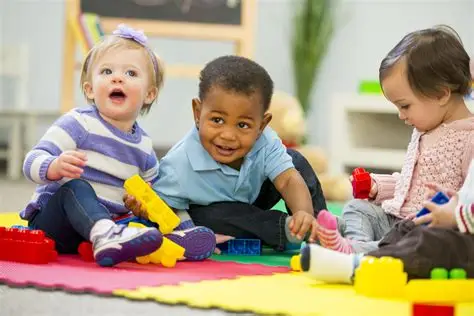
Social and Emotional Growth in Toddlers
Toddlerhood is an important period for developing emotional awareness and social relationships.
Children begin expressing happiness, frustration, excitement, disappointment, and affection in increasingly noticeable ways. However, they are still learning how to manage these feelings.
A toddler may become upset when a favorite toy is taken away or when an adult says it is time to leave the playground. These situations can feel overwhelming because the child may not yet have the language or emotional skills needed to explain the frustration.
Parents can help by calmly naming the feeling.
For example, saying, “You are upset because playtime is finished,” helps connect an emotion with words.
Adults can then provide a clear boundary while offering comfort: “We are going home now. You can choose a book to read when we get there.”
This approach teaches children that their feelings are understandable while helping them learn that not every demand can be met.
Social development also grows through interaction. Playing alongside other children, sharing simple activities with family members, and observing adults help toddlers learn about relationships.
They may not consistently share toys or take turns yet, and that is understandable at this stage. Patient guidance and repeated practice help develop these skills over time.
Understanding Toddler Tantrums
Tantrums are a common challenge during toddlerhood. They may involve crying, shouting, dropping to the floor, or refusing to cooperate.
These reactions often occur when a child feels tired, hungry, frustrated, overwhelmed, or unable to communicate a need.
Toddlers are developing independence, but their emotional regulation skills are still immature. As a result, a small disappointment can sometimes produce a strong reaction.
A calm response can make a meaningful difference.
Parents can help by:
- Staying as calm as possible.
- Ensuring the child is physically safe.
- Using simple, reassuring language.
- Acknowledging the child’s feelings.
- Maintaining clear and consistent boundaries.
- Praising positive behavior when the child settles.
For example, if a toddler cries because they cannot have another sweet, a parent can say, “I know you want more, but we have finished sweets for today.”
The adult should remain consistent rather than changing the boundary simply to stop the crying.
At the same time, parents should avoid humiliating, frightening, or physically punishing a child for experiencing strong emotions.
Tantrums are opportunities to teach emotional skills gradually. Children learn through repeated experiences, and progress may take time.
Persistent, unusually intense, or dangerous behavior can be discussed with a pediatrician, who can help identify possible contributing factors and appropriate support.
Healthy Nutrition for Toddlers
Nutrition plays an important role in a toddler’s growth, energy, and overall well-being.
During this period, children are becoming more independent eaters and developing preferences for different foods. Some days they may eat enthusiastically, while on other days they may show little interest in a meal.
A balanced eating pattern can include a variety of foods from different food groups.
Fruits and Vegetables
Offer a range of fruits and vegetables with different colors, textures, and flavors. Soft fruit pieces and appropriately cooked vegetables can help toddlers explore new tastes.
Food should always be prepared in a way that reduces choking risks.
Protein-Rich Foods
Age-appropriate portions of eggs, beans, lentils, fish without bones, chicken, and other suitable protein sources can contribute to healthy growth.
Introduce foods safely and follow medical guidance if the child has allergies or other dietary needs.
Whole Grains and Other Energy Foods
Foods such as oats, rice, whole-wheat bread, and other suitable grains can provide energy for active toddlers.
Dairy and Suitable Alternatives
Milk, yogurt, cheese, and appropriately fortified alternatives can contribute important nutrients, depending on the child’s age and dietary needs.
Parents should consult a healthcare professional about suitable milk choices, supplements, food allergies, or concerns about growth.
Regular meals and planned snacks can help establish a predictable eating routine. Offering nutritious choices without forcing a child to finish everything can also encourage a healthier relationship with food.
Sleep and Daily Routines
Sleep supports physical health, learning, emotional regulation, and daily energy.
Toddlers generally need substantial sleep across a 24-hour period, including nighttime sleep and, for many children, a daytime nap. Exact needs vary with age and individual circumstances.
A consistent bedtime routine can help children understand that the day is coming to an end.
A calming routine might include a bath, comfortable sleepwear, a short story, and a quiet goodnight ritual.
Keeping bedtime reasonably consistent can make the transition to sleep easier. A comfortable sleeping environment and reduced stimulating activity before bed may also help.
Daily routines are valuable beyond sleep. Predictable times for meals, outdoor play, reading, and rest help toddlers understand what to expect.
However, routines do not need to be rigid. Families can adapt schedules to their circumstances while maintaining enough consistency to help children feel secure.
Learning Through Play
Play is one of the most valuable ways toddlers learn.
They do not need expensive toys or elaborate activities to develop important skills. Ordinary household objects, picture books, songs, and time spent interacting with caring adults can provide rich learning experiences.
Reading Together
Reading picture books introduces new words, sounds, objects, and ideas. Pointing at pictures and describing what is happening helps children connect language with meaning.
Even a few minutes of shared reading can become a comforting daily habit.
Music and Movement
Singing simple songs, clapping, and dancing help toddlers explore rhythm, movement, and imitation.
These activities also create opportunities for joyful interaction with family members.
Building and Sorting
Stacking blocks, placing objects into containers, and sorting safe items by shape or size encourage coordination and early problem-solving.
Outdoor Exploration
A supervised walk can become a learning adventure. Parents can describe trees, flowers, birds, vehicles, and changing weather.
Outdoor play also provides opportunities for movement and exploration.
Pretend Play
Pretend activities, such as feeding a toy doll or playing with a toy kitchen, allow toddlers to imitate familiar experiences and develop imagination.
Parents can follow the child’s interests, introduce simple ideas, and allow the child to lead the activity.
The most important ingredient is not perfection. It is the opportunity to explore, communicate, experiment, and enjoy time together.
Keeping Toddlers Safe at Home
Toddlers are naturally curious, but they do not yet understand many everyday hazards.
A safe environment allows them to explore without unnecessary exposure to danger.
Important safety practices include:
- Keeping medicines and cleaning products locked away.
- Securing heavy furniture to prevent tipping.
- Using safety gates where appropriate.
- Keeping hot drinks and cooking equipment out of reach.
- Supervising children around water at all times.
- Storing small objects and choking hazards safely.
- Using appropriate car seats and restraints.
- Choosing age-appropriate toys without dangerous detachable parts.
Toddlers should also be supervised while eating, especially when consuming foods that may cause choking. Grapes, nuts, hard sweets, and other risky foods require particular attention and appropriate preparation.
Caregivers should learn basic first aid and seek emergency assistance when a child experiences a serious injury, breathing difficulty, or another urgent medical problem.
Safety measures should grow with the child. As toddlers learn to climb, open doors, and move more quickly, their environment may need additional adjustments.
Positive Parenting: Building Confidence and Trust
A toddler’s early relationships help shape how they experience the world.
When caregivers respond consistently, offer comfort, and encourage exploration, children have opportunities to develop trust and confidence.
Positive parenting does not mean allowing every behavior. It combines affection with clear, age-appropriate boundaries.
Parents can strengthen this approach by offering limited choices, such as choosing between two shirts or selecting one of two books.
Praising specific actions is also helpful. Instead of saying only “good job,” an adult might say, “You put your blocks back in the box. Thank you for helping.”
This makes the desired behavior clear.
Children also learn by observing adults. Speaking respectfully, managing frustration, and apologizing after a mistake demonstrate useful social skills.
Caregivers do not need to be perfect. Parenting can be exhausting, and everyone has difficult days. Seeking support from trusted family members, friends, or healthcare professionals can help parents manage stress and care for their own well-being.
A warm relationship built through ordinary daily moments can provide a powerful foundation for a child’s future.
When to Seek Developmental Advice
Children develop at different rates, and a single difference does not automatically indicate a problem. However, developmental concerns deserve attention rather than prolonged waiting.
Parents should discuss concerns with a pediatrician if a toddler is not meeting expected developmental milestones, seems to have difficulty hearing or communicating, or loses skills they previously had.
A healthcare professional can review the child’s development, recommend appropriate screening, and determine whether additional assessment or early support may be helpful.
The CDC provides milestone information for different ages through its official developmental milestones resource.
Developmental information should be used as a guide rather than as a tool for diagnosing a child independently.
Early support can help children access services suited to their needs and give families practical strategies for encouraging progress.
Conclusion: Every Toddler Deserves the Chance to Thrive
The toddler years are filled with remarkable changes. A child’s first steps, growing vocabulary, playful imagination, and emerging independence all represent important parts of a larger journey.
Parents can make a meaningful difference by providing nutritious food, safe surroundings, loving relationships, consistent routines, and opportunities to learn through play.
Most importantly, children benefit when adults recognize their individual strengths and avoid comparing their progress unfairly with that of others.
A toddler does not need a perfect childhood filled with expensive toys or carefully planned activities. Children need safety, attention, patience, encouragement, and caring adults who help them navigate new experiences.
Every shared story, comforting hug, playful conversation, and small achievement can contribute to a stronger foundation for future growth.
The toddler years are not simply a stage to get through. They are a precious opportunity to nurture curiosity, build trust, encourage independence, and help a young child begin discovering their place in the world.
Reference
This article is prepared for Daily Talks Web, your destination for family, parenting, child development, and lifestyle content.
Visit: https://dailytalksweb.com/
AIOSEO publishing tip: Use “Toddler” as the focus keyphrase and toddler-development-growth-and-learning as the slug. Add a relevant featured image with alt text such as “Toddler learning and playing in a safe environment.”