The answer to how many died on 9/11 is 2,977 victims, excluding the 19 hijackers who carried out the attacks.
On September 11, 2001, four commercial airplanes were hijacked in a coordinated terrorist attack. Two planes struck the World Trade Center in New York City, one struck the Pentagon in Virginia, and a fourth crashed into a field near Shanksville, Pennsylvania, after passengers and crew fought back against the hijackers.
The attacks killed people from many backgrounds and professions. Office workers, firefighters, police officers, military personnel, airline passengers, crew members, emergency workers, and civilians were among those who lost their lives.
Twenty-five years later, the number 2,977 remains deeply significant. It represents individual human lives rather than merely a historical statistic. Families lost parents, children, spouses, siblings, friends, and colleagues. Communities lost people who had ordinary hopes, responsibilities, careers, and dreams.
Yet the story of September 11 is not only a story of destruction. It is also a story of courage, compassion, sacrifice, recovery, remembrance, and extraordinary resilience.
The Official 9/11 Death Toll
The established death toll from the September 11 attacks is 2,977 people, not including the 19 hijackers.
The victims were killed at three primary locations:
- 2,753 people died in New York City at the World Trade Center and in the surrounding area.
- 184 people died at the Pentagon in Arlington, Virginia.
- 40 people died aboard United Airlines Flight 93, which crashed near Shanksville, Pennsylvania.
Together, these figures equal 2,977 victims.
The attacks remain the deadliest terrorist attack in U.S. history.
The 2,977 people came from different countries, professions, cultures, and walks of life. Their stories are preserved through the National September 11 Memorial & Museum and through the memories of families, friends, colleagues, and communities.
What Happened on September 11, 2001
The attacks began on the morning of September 11, 2001.
Four commercial aircraft were hijacked.
American Airlines Flight 11 struck the North Tower of the World Trade Center at 8:46 a.m. Eastern Time.
United Airlines Flight 175 struck the South Tower at 9:03 a.m.
American Airlines Flight 77 struck the Pentagon at 9:37 a.m.
United Airlines Flight 93 crashed near Shanksville, Pennsylvania, at 10:03 a.m. after passengers and crew attempted to regain control of the aircraft.
The events unfolded within a matter of hours but changed American history and had consequences that extended across the world.
The 25th anniversary in 2026 has brought renewed attention to the people who died, the survivors, the first responders, and the long-term impact of the attacks.
The 2,753 Victims at the World Trade Center
The largest number of victims died at the World Trade Center.
The Twin Towers were major symbols of New York City’s financial district and were filled with workers and visitors on the morning of the attacks.
The people inside came from numerous companies and organizations.
Others were emergency responders who entered the buildings to help people escape.
Among the victims were hundreds of firefighters and law enforcement officers who responded despite the enormous danger.
The scale of the loss was devastating.
The names of the victims are now displayed at the National September 11 Memorial at the World Trade Center site, ensuring that each individual is remembered rather than reduced to a number.
The 184 People Killed at the Pentagon
The Pentagon was struck by American Airlines Flight 77 at 9:37 a.m.
The attack killed 184 people at the Pentagon and aboard the aircraft.
The Pentagon is one of the world’s largest office buildings and serves as the headquarters of the U.S. Department of Defense.
Military personnel and civilian employees were among those who died.
The Pentagon attack demonstrated that the tragedy extended far beyond New York City.
The lives lost in Virginia are remembered through annual ceremonies and memorials that honor the victims and recognize the courage of those who responded.
The 40 Victims of Flight 93
United Airlines Flight 93 became one of the most powerful stories of courage connected to September 11.
The aircraft was hijacked and ultimately crashed near Shanksville, Pennsylvania.
The 40 passengers and crew members aboard the aircraft were killed.
Evidence from phone calls and investigations indicated that passengers learned about the earlier attacks and attempted to overcome the hijackers.
Their resistance prevented the aircraft from reaching its intended destination.
The exact target remains a matter of historical assessment, but investigators have concluded that the passengers’ actions represented an extraordinary act of courage.
Today, the Flight 93 National Memorial preserves the memory of those 40 people.
Their story demonstrates that even during an overwhelming tragedy, individuals can make courageous choices that protect others.
The First Responders Who Gave Everything
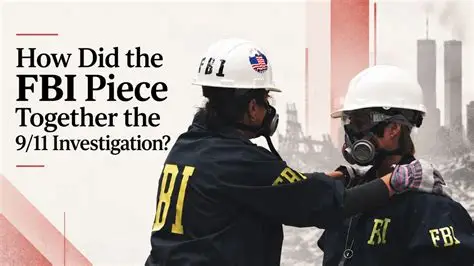
The 9/11 death toll includes 343 members of the New York City Fire Department, along with police officers and other emergency personnel.
These first responders were doing what they had been trained to do: move toward danger when others were trying to escape it.
Firefighters climbed the towers.
Police officers helped evacuate people.
Paramedics and emergency workers rushed toward the disaster.
Many never returned home.
Their sacrifice remains one of the most powerful parts of the 9/11 story.
The courage shown by first responders continues to inspire emergency workers around the world.
Their actions remind society of the importance of service, duty, teamwork, and putting human life first.
The Human Stories Behind 2,977
Numbers help us understand the scale of a tragedy, but they cannot fully express what was lost.
Behind every number was a person.
Someone had a favorite meal.
Someone had a birthday coming up.
Someone was raising children.
Someone was building a career.
Someone was planning a vacation.
Someone had recently fallen in love.
Someone was expecting to return home that evening.
The victims had individual personalities and individual dreams.
That is why memorial ceremonies focus so strongly on reading the names.
Names restore individuality to statistics.
They remind future generations that 2,977 was not simply a number. It was 2,977 separate lives.
The World Came Together in Grief
The attacks created an enormous wave of grief in the United States and around the world.
Messages of sympathy came from governments, communities, religious organizations, schools, charities, and ordinary people.
People donated blood.
Volunteers traveled to help.
Communities organized vigils.
Emergency workers worked around the clock.
Strangers helped strangers.
The tragedy demonstrated how quickly people can come together during moments of extreme difficulty.
That spirit of solidarity remains one of the most meaningful parts of the 9/11 legacy.
The Courage of Ordinary People
September 11 also revealed extraordinary courage among people who were not trained as emergency responders.
Office workers helped colleagues.
People assisted strangers down stairways.
Passengers aboard Flight 93 attempted to fight the hijackers.
People opened their homes to strangers who could not travel.
Taxi drivers helped transport people.
Medical professionals prepared for mass casualties.
Across the country, ordinary people responded to an extraordinary crisis.
Their actions demonstrate an important lesson: courage is not limited to people wearing uniforms.
Ordinary individuals can demonstrate extraordinary strength when circumstances demand it.
The 9/11 Memorial Keeps the Names Alive
The National September 11 Memorial was created to honor those who died in the attacks.
The memorial occupies the footprints of the former Twin Towers.
Water flows into large reflecting pools, creating a place of quiet remembrance.
The names of the victims are inscribed around the pools.
The design provides families and visitors with a place to remember, reflect, grieve, and learn.
The memorial has become one of the most important places of remembrance in the United States.
It ensures that future generations can encounter the human story behind the historical event.
Twenty-Five Years of Remembrance
September 11, 2026, marks the 25th anniversary of the attacks.
Across the United States, ceremonies are taking place to honor the victims and recognize the continuing impact of the tragedy.
At Ground Zero, families and officials have gathered to remember those who died.
The names of the 2,977 victims continue to be read aloud during the annual ceremony.
This tradition is powerful because it places individuals at the center of remembrance.
The 25th anniversary also recognizes people who have died from illnesses connected to exposure following the attacks. Reuters reported that this year’s commemoration includes an additional moment of silence honoring people who died from 9/11-related illnesses.
The Hidden Health Legacy of 9/11
The immediate death toll does not represent the full human cost of September 11.
Thousands of first responders, recovery workers, residents, students, office workers, and others were exposed to dust, smoke, and hazardous substances following the destruction of the World Trade Center.
Some later developed respiratory illnesses, cancers, and other health conditions.
The World Trade Center Health Program continues to provide monitoring and treatment for people affected by these exposures.
Recent reporting indicates that tens of thousands of 9/11-related cancer cases have been certified among responders and survivors. More than 9,000 people enrolled in the health program have died from illnesses connected to 9/11 exposures.
This continuing health impact is an important reminder that some consequences of disasters appear years or even decades later.
The Importance of Caring for Survivors
Remembering 9/11 means more than honoring those who died on September 11, 2001.
It also means supporting the people who survived.
Some survivors carried physical injuries.
Others experienced emotional trauma.
First responders and recovery workers faced years of health problems.
Families had to rebuild their lives without loved ones.
The continued work of health programs, medical professionals, researchers, advocates, and community organizations represents an important part of the nation’s response.
Care is itself a form of remembrance.
New Generations Are Learning the Story
A growing number of Americans were born after September 11, 2001.
For them, 9/11 is history rather than a personal memory.
This creates an important responsibility for educators, families, museums, and communities.
The story must be taught accurately and respectfully.
Young people should understand what happened, remember the victims, recognize the courage shown by responders and civilians, and understand how profoundly the event affected American society.
The goal is not to pass trauma from one generation to another.
The goal is to preserve memory while teaching empathy, resilience, courage, and the value of human life.
The Positive Legacy of 9/11 Remembrance
The positive legacy of 9/11 does not come from the tragedy itself.
It comes from how people responded to it.
Communities demonstrated compassion.
First responders demonstrated courage.
Families demonstrated strength.
Survivors demonstrated resilience.
Medical researchers developed new approaches to treating illnesses connected to disaster exposure.
Memorial institutions created spaces for education and remembrance.
People around the world learned the importance of standing together during times of crisis.
These lessons remain relevant.
Remembering Without Forgetting Hope
Anniversaries can be painful, especially for families who lost loved ones.
But remembrance does not have to exist only in sadness.
It can also celebrate the lives people lived.
A parent can be remembered for the love given to a child.
A firefighter can be remembered for courage.
A teacher can be remembered for helping students.
A colleague can be remembered for kindness.
A friend can be remembered through stories and laughter.
Remembering someone means preserving the best parts of their life.
That is why the annual ceremonies matter.
They provide a space for grief while also keeping human stories alive.
The Meaning of 2,977 Today
Twenty-five years later, the number 2,977 remains one of the most recognizable numbers connected to September 11.
But its meaning goes deeper than mathematics.
It represents families.
It represents friendships.
It represents communities.
It represents lives interrupted.
It represents bravery.
It represents sacrifice.
And it represents a responsibility to remember.
The number also provides a simple way for future generations to understand the scale of the tragedy.
Behind those four digits are thousands of individual stories.
Final Thoughts
The answer to how many died on 9/11 is 2,977 victims, excluding the 19 hijackers.
Of those victims, 2,753 died in New York, 184 died at the Pentagon and aboard Flight 77, and 40 died aboard Flight 93 in Pennsylvania.
But remembering 9/11 requires looking beyond the numbers.
The people who died were parents, children, friends, coworkers, firefighters, police officers, military personnel, airline passengers, and ordinary citizens.
Their lives mattered.
Their families mattered.
Their stories matter.
Twenty-five years later, the world continues to remember them through memorials, ceremonies, education, acts of service, and personal stories.
The best way to honor those who died is to remember their names, support those still affected, teach future generations the truth, and carry forward the values of compassion and humanity.
2,977 lives were lost, but their memories continue to live through the people who loved them, the communities that remember them, and the generations that continue to tell their stories.
Reference
For more U.S. history, remembrance stories, current news, and important human-interest articles, visit: