The Social Security cost-of-living adjustment remains one of the most important annual financial developments for retirees, people with disabilities, survivors, and millions of American households that depend on Social Security benefits.
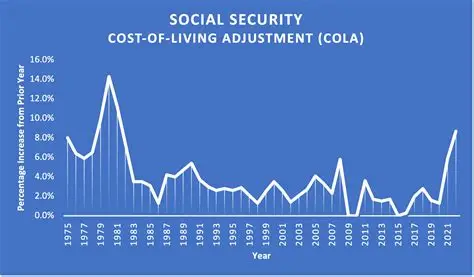
As September 2026 progresses, attention is turning toward the next adjustment. The official 2027 Social Security COLA has not yet been announced, but the latest estimate from The Senior Citizens League points to a potential 3.6% increase.
If that projection becomes the final figure, it would represent a larger increase than the 2.8% COLA applied to Social Security benefits in 2026. Recent estimates indicate that an average beneficiary could see an increase of nearly $70 per month.
For households managing groceries, housing, utilities, transportation, and healthcare expenses, even a modest increase can provide valuable breathing room.
The bigger story is that Social Security’s COLA system continues to provide an automatic mechanism designed to help benefits keep pace with inflation.
What Is the Social Security Cost-of-Living Adjustment?
The Social Security cost-of-living adjustment, commonly called COLA, is an annual increase designed to help protect the purchasing power of Social Security and Supplemental Security Income benefits from inflation.
The Social Security Administration uses inflation data to determine the annual adjustment.
The system is based on the Consumer Price Index for Urban Wage Earners and Clerical Workers, commonly known as CPI-W. The calculation uses inflation data from the third quarter of the year, specifically July, August, and September.
This means the final 2027 COLA cannot be determined until all three months of third-quarter inflation data are available.
The process gives Social Security beneficiaries an important inflation-linked adjustment without requiring each recipient to apply individually for an increase.
The 2027 COLA Could Be 3.6%
The latest widely reported estimate places the potential 2027 Social Security COLA at 3.6%.
This is a projection, not the official final number.
The Senior Citizens League’s latest estimate would make the 2027 increase 0.8 percentage points higher than the 2.8% adjustment used for 2026. If confirmed, it would be the largest Social Security COLA since 2023.
For an average Social Security benefit of approximately $1,937.53 per month, a 3.6% increase would amount to roughly $69.75 more per month, bringing the estimated monthly benefit to approximately $2,007.28.
That works out to nearly $837 more over a full year if the increase remained at that level for all 12 months.
The actual increase for an individual beneficiary will depend on the person’s current benefit amount.
The Official 2027 COLA Is Still Ahead
Although the 3.6% estimate has attracted significant attention, beneficiaries should remember that the official COLA is determined after the complete third-quarter inflation data become available.
The Social Security Administration is expected to announce the official 2027 COLA in October 2026, with October 14 widely reported as the scheduled announcement date.
This distinction is important for financial planning.
A projection can provide a useful planning estimate, but it should not be treated as the final benefit increase until the SSA announces the official figure.
Inflation readings during September can still influence the calculation.
How the COLA Formula Works
The Social Security COLA formula follows a specific process.
The government looks at the average CPI-W readings for July, August, and September.
Those figures are compared with the corresponding third-quarter average from the previous year.
The percentage increase becomes the COLA.
This system connects Social Security benefits to inflation rather than allowing benefit increases to depend entirely on individual legislative action.
The approach provides an automatic adjustment mechanism.
That predictability can be especially valuable for retirees who build monthly budgets around fixed or relatively stable income.
Why COLA Matters So Much to Retirees
Retirement changes the way households think about money.
For many workers, rising prices can sometimes be offset by salary increases, overtime, bonuses, or additional work.
Retirees may have fewer opportunities to increase their income.
That makes inflation particularly important.
When grocery prices rise, energy bills increase, insurance costs climb, or everyday services become more expensive, a fixed monthly benefit can lose purchasing power.
The COLA is designed to respond to that pressure.
A higher monthly Social Security payment can help beneficiaries manage essential expenses without making dramatic changes to their budgets.
A 3.6% Increase Could Make a Meaningful Difference
The size of an individual’s COLA increase depends on their existing benefit.
For example, if a beneficiary receives $1,000 per month, a 3.6% increase would add approximately $36.
A $1,500 monthly benefit would rise by approximately $54.
A $2,000 monthly benefit would rise by approximately $72.
A $2,500 monthly benefit would increase by approximately $90.
These examples demonstrate an important feature of COLA: the percentage is the same, but the dollar increase is larger for people receiving higher monthly benefits.
The final figures will depend on the official COLA and each person’s benefit amount.
Social Security COLA Supports Different Beneficiary Groups
The cost-of-living adjustment applies across several Social Security programs.
These include:
- Retirement benefits
- Social Security Disability Insurance, or SSDI
- Survivor benefits
- Supplemental Security Income, or SSI
This broad coverage means the annual adjustment can affect millions of households with different financial circumstances.
For many beneficiaries, Social Security represents an important part of monthly household income.
A COLA increase can therefore have an impact beyond the individual recipient.
It can help families managing household expenses, medical costs, transportation, food, utilities, and other necessities.
The 2026 COLA Provides the Baseline
The current Social Security COLA for 2026 is 2.8%, according to the Social Security Administration.
That increase became the baseline for benefits during 2026.
The potential 3.6% adjustment for 2027 would therefore represent a noticeable step upward.
The difference between 2.8% and 3.6% may appear small as a percentage, but over time even small percentage differences can matter for households receiving monthly benefits.
A larger annual adjustment can provide additional resources for essential spending.
Inflation Remains the Key Factor
Inflation is at the heart of every Social Security COLA discussion.
When prices rise, the purchasing power of money declines.
The COLA mechanism is designed to help reduce that impact.
However, individual households experience inflation differently.
A retiree who spends a large portion of their income on healthcare, housing, groceries, or utilities may experience cost increases that differ from the overall CPI-W measure.
That is why the COLA is best understood as a broad inflation adjustment rather than a guarantee that every beneficiary’s personal expenses will rise at exactly the same rate.
Even so, the annual increase can provide valuable support.
Medicare Costs Also Matter
Social Security beneficiaries often pay attention to Medicare because Medicare premiums can affect the amount of their Social Security payment that actually reaches their bank account.
A larger Social Security benefit does not necessarily mean that every beneficiary will see the entire COLA increase as additional disposable income.
Medicare premiums, taxes, and other deductions can influence the final payment.
Recent projections for 2027 also point to changes in Medicare costs, making it important for beneficiaries to consider both sides of the household budget rather than looking at the COLA percentage alone.
This makes annual benefit statements and official notices particularly valuable.
The Positive Side of the 2027 COLA Outlook
The strongest positive message is that Social Security benefits are continuing to receive inflation-linked adjustments.
If the current 3.6% projection becomes official, millions of beneficiaries would receive a larger increase than they received in 2026.
That could provide additional flexibility.
Some households may use the extra money for groceries.
Others may put it toward utility bills, transportation, prescriptions, savings, debt reduction, or emergency expenses.
Even a modest monthly increase can become meaningful when repeated throughout an entire year.
For people living on fixed incomes, predictability itself can be valuable.
Smart Ways to Prepare for the Increase
Beneficiaries can begin preparing without waiting for the official number.
A practical approach is to calculate several possible scenarios.
A household can estimate its budget using a 2.8%, 3.0%, 3.5%, or 3.6% increase.
This creates a range rather than relying on a single prediction.
Once the official COLA is announced, the budget can be updated.
This approach can make retirement planning less stressful.
Instead of treating the COLA as unexpected extra money, beneficiaries can think strategically about how a potential increase could strengthen their financial position.
Turning a Small Increase Into Greater Financial Security
A monthly increase does not have to disappear into everyday spending.
For beneficiaries who have room in their budgets, part of the additional income could support an emergency fund.
Even small amounts accumulated over time can provide protection against unexpected expenses.
Others may prioritize paying down high-interest debt.
Reducing debt can create additional monthly flexibility in the future.
Some households may also use the increase to cover unavoidable increases in food, utilities, insurance, or transportation costs.
The best use depends on each household’s circumstances.
The important point is that a COLA increase provides additional financial flexibility.
Social Security Planning Is More Important Than Ever
The annual COLA is only one part of Social Security planning.
Retirement timing, work history, claiming age, taxes, Medicare premiums, spousal benefits, survivor benefits, and other sources of retirement income can all influence a household’s financial future.
The COLA provides an annual adjustment, but long-term planning determines how effectively a household can use its total resources.
Beneficiaries can also use their official Social Security accounts to review benefit information and access important services. The SSA provides online tools for checking benefits, estimating payments, managing information, and accessing official documents.
The Importance of Official Information
Social Security is a major financial program, so misinformation can create unnecessary fear.
Beneficiaries should be careful with social media posts claiming that a specific COLA has already been approved when the SSA has not yet announced the official figure.
The current 3.6% estimate is a projection.
The final number will depend on the inflation data used in the official formula.
The Social Security Administration remains the authoritative source for the final COLA announcement.
This is especially important because scammers sometimes use Social Security-related news to target beneficiaries.
Official government websites and notices should remain the primary source for personal benefit information.
A Stronger Financial Outlook for Millions
The Social Security cost-of-living adjustment is more than a percentage printed in an annual announcement.
It represents an important connection between inflation and the financial security of millions of Americans.
The potential 2027 increase offers a reason for cautious optimism.
A projected 3.6% adjustment would be higher than the 2026 increase and could provide additional monthly income for retirees, disabled beneficiaries, survivors, and SSI recipients.
While the final number is still pending, households can use the current projection as a planning tool.
Final Thoughts
The Social Security cost-of-living adjustment remains one of the most important financial updates for millions of Americans.
The official number is expected in October after the final third-quarter inflation data are available.
Until then, beneficiaries can prepare by reviewing their budgets, understanding their current benefits, monitoring Medicare-related costs, and avoiding financial decisions based solely on unofficial projections.
The bigger strength of the COLA system is its automatic connection to inflation.
For people relying on Social Security, every additional dollar can provide greater flexibility.
It can help cover essentials, strengthen savings, reduce financial pressure, and create a little more breathing room.
The road ahead will always contain economic challenges, but the annual COLA provides an important layer of protection.
For millions of Americans, that protection represents something powerful: greater stability, greater confidence, and a stronger financial foundation for the year ahead.
Reference
For more U.S. news, Social Security updates, retirement information, and important financial stories, visit: