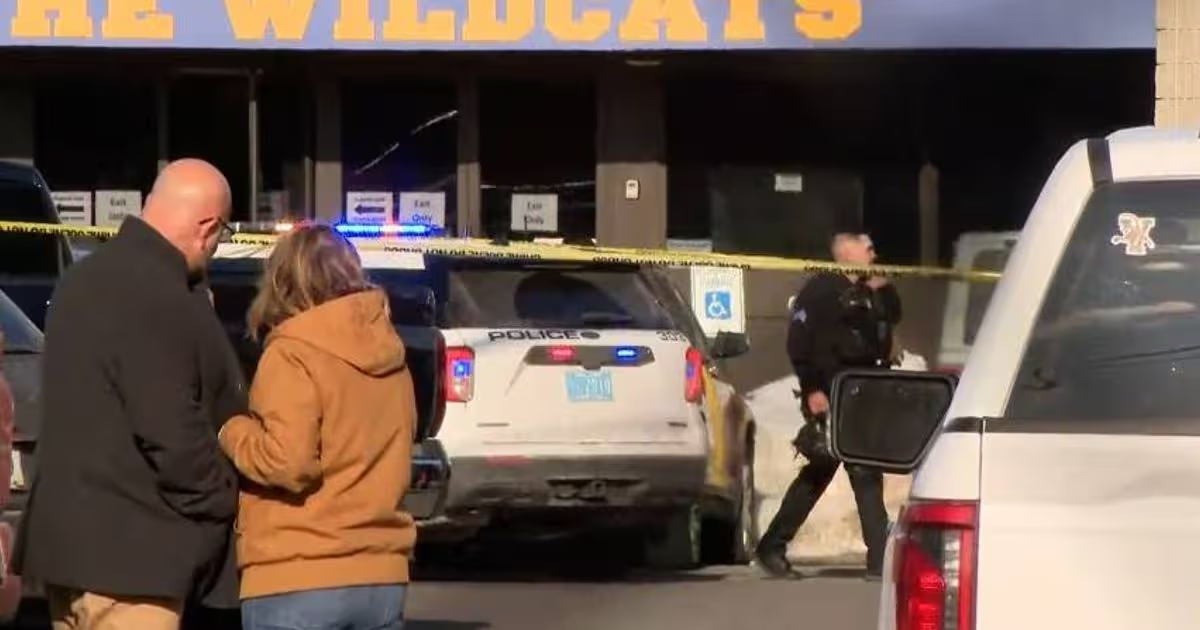
Rhode Island Shooting: A Story of Resilience, Unity, and Hope
In moments of crisis, communities reveal their true strength. When a shooting shook parts of Rhode Island, the immediate response was not defined solely by fear or grief — it was defined by compassion, courage, and a powerful commitment to healing.
Tragic events can leave deep emotional impacts. Yet time and again, communities across the United States demonstrate something extraordinary: the ability to come together, support one another, and transform pain into purpose.
The story that emerges from difficult moments is not only about what happened — it is about how people respond. And in Rhode Island, that response reflects resilience, unity, and hope.
When Communities Stand Together
In the aftermath of violence, one of the most powerful forces is collective compassion. Neighbors check on neighbors. Families support families. Local leaders, volunteers, and everyday citizens step forward to offer comfort, resources, and presence.
Communities often move quickly to organize vigils, memorial gatherings, and support services. These acts serve a vital purpose — they provide space for shared grief while reinforcing the message that no one faces hardship alone.
Moments of silence, shared prayers, and collective remembrance help people process shock and loss. But they also send a deeper message: community bonds are stronger than fear.
Unity becomes a form of healing.
The Strength of First Responders and Care Providers
In any emergency, the swift actions of first responders can make a life-saving difference. Law enforcement officers, emergency medical teams, and healthcare professionals often respond with courage, skill, and urgency.
Their work extends beyond physical safety. Medical professionals provide care not only for injuries, but also for emotional trauma. Counselors and mental health specialists step in to help individuals and families process shock, anxiety, and grief.
Their dedication reflects a profound commitment to public well-being — a reminder that trained professionals stand ready to protect and support communities when they need it most.
The Healing Power of Community Support
After traumatic events, emotional recovery becomes just as important as physical recovery. Community support plays a central role in this process.
Local organizations often provide counseling services, safe spaces for conversation, and programs designed to help individuals cope with stress and trauma. Schools, faith communities, and social groups frequently organize outreach efforts to ensure that those affected feel supported.
Small acts of kindness carry immense weight during difficult times — a shared meal, a supportive message, a comforting presence. These gestures create an environment where healing can begin.
Support does not erase pain, but it softens its impact.
Turning Pain Into Purpose
One of the most inspiring outcomes of community hardship is the emergence of purpose. Many individuals respond to tragedy by working toward positive change.
Community members may advocate for increased awareness around safety, mental health resources, and prevention efforts. Local leaders often collaborate with residents to strengthen public safety programs and improve communication systems.
These efforts reflect a shared belief that meaningful change can grow from difficult experiences. Instead of allowing tragedy to define them, communities channel energy into building safer, more supportive environments.
Purpose transforms grief into progress.
The Emotional Strength of Shared Experience
Human beings are deeply connected through shared experience. When people come together during times of hardship, they build emotional resilience collectively.
Conversations, storytelling, and remembrance help individuals process what happened while reinforcing mutual understanding. Shared experiences remind people that emotions — fear, sadness, confusion — are natural responses.
When communities validate those feelings openly, they create psychological safety. That environment encourages healing, reflection, and emotional recovery.
No one heals in isolation. Healing grows through connection.
The Role of Leadership in Recovery
Community leadership plays a vital role in guiding recovery. Local officials, civic leaders, and community organizers often provide direction, reassurance, and transparency during uncertain times.
Clear communication helps reduce fear and confusion. Organized support systems ensure that resources reach those who need them most. Leadership also helps coordinate long-term recovery strategies, including counseling programs and community rebuilding efforts.
Strong leadership does not simply manage crisis — it nurtures hope.
The Importance of Mental Health Awareness
Traumatic events often leave invisible emotional impacts. Stress, anxiety, and grief can persist long after the immediate crisis passes. Recognizing this reality has led many communities to prioritize mental health awareness and support.
Public conversations about emotional well-being help reduce stigma and encourage individuals to seek help when needed. Access to counseling services, support groups, and educational programs strengthens community resilience.
Mental health care is not only a response — it is a foundation for recovery.
The Role of Compassion in Public Healing
Compassion is one of the most powerful forces in times of tragedy. It appears in countless forms — volunteers offering assistance, organizations providing resources, families supporting one another.
Compassion transforms communities into networks of care. It reminds individuals that kindness remains present even in the darkest moments.
When compassion spreads, it builds emotional strength that extends far beyond the immediate crisis.
Honoring Lives and Preserving Memory
Remembering those affected is an essential part of healing. Memorials, tributes, and remembrance events allow communities to honor lives and acknowledge loss with dignity.
These moments create space for reflection while reinforcing the value of every individual life. They remind communities why unity and compassion matter — not just in response to tragedy, but in everyday life.
Memory becomes a source of meaning.
Building Safer and Stronger Communities
Recovery often leads to reflection. Communities examine what they can learn and how they can grow stronger moving forward.
This process may involve reviewing safety measures, improving communication systems, and strengthening community engagement initiatives. Many communities invest in programs that encourage awareness, prevention, and early intervention.
Growth does not erase the past — it honors it by building a better future.
The Power of Hope
Hope is not passive. It is an active force that motivates healing, cooperation, and progress.
Even after difficult events, communities demonstrate hope through action — supporting one another, rebuilding trust, and working toward positive change.
Hope allows people to imagine a future defined not by tragedy, but by resilience and unity.
A Broader Message of Human Strength
The response to violence in Rhode Island reflects a universal truth: human communities possess remarkable strength. When faced with hardship, people come together with empathy, courage, and determination.
This response reveals something profound about human nature — the instinct to protect, support, and uplift one another.
It is a reminder that compassion is stronger than fear.
The Upside: What We Learn From Community Resilience
While tragic events are deeply painful, they often reveal powerful lessons about collective strength and humanity.
Unity Creates Strength
Communities become stronger when people support one another.
Compassion Heals
Kindness and empathy provide emotional recovery and comfort.
Awareness Leads to Growth
Reflection and learning help build safer environments.
Connection Builds Resilience
Shared experience fosters emotional healing.
Hope Inspires Progress
Belief in a better future motivates meaningful change.
These lessons highlight the positive force of community response — a force that continues long after headlines fade.
Looking Forward With Strength
Recovery is not a single moment — it is a process. Over time, communities continue to heal, rebuild, and grow stronger.
Through shared support, thoughtful reflection, and ongoing compassion, people move forward together. They carry memory with respect, but they also carry hope.
That balance — remembrance and renewal — defines true resilience.
Final Thoughts
The story surrounding a Rhode Island shooting is not only about tragedy. It is also about courage, compassion, and the remarkable strength of human connection.
Communities respond not just with grief, but with unity. Not just with fear, but with support. Not just with loss, but with purpose.
In moments of darkness, people create light through care, cooperation, and hope.
And that enduring spirit — resilient, compassionate, and determined — is the true story of community strength.