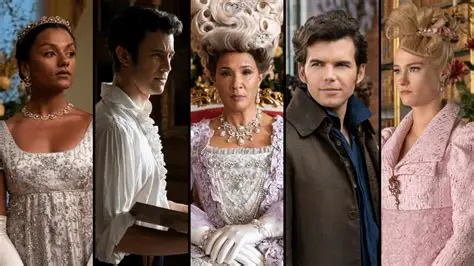
Introduction: A Quiet Role with Powerful Influence
In the elegant world of Bridgerton, every title, role, and relationship carries deep meaning. Among these, the concept of a ward may appear subtle, yet it holds immense emotional, social, and narrative power. A ward is more than a dependent — they are a symbol of trust, responsibility, and transformation.
Within the Regency-era setting of Bridgerton, wards represent hope, opportunity, and protection. Their presence highlights themes of guidance, social mobility, and the shaping of futures through care and mentorship.
The role of a ward reminds viewers that power is not always loud — sometimes it is gentle, protective, and deeply human.
Understanding the Regency-Era Meaning of a Ward
Historically, a ward was a young person placed under the legal guardianship of another adult, often due to the loss of parents or the need for protection of inheritance, education, or social standing.
In Bridgerton, this tradition is portrayed with emotional richness. A ward lives under the care of a guardian who assumes responsibility for their upbringing, reputation, and future.
This arrangement reflects trust, honor, and duty — core values of Regency society.
Responsibility defines status.

A Ward as a Protected Treasure
In Bridgerton, wards are often individuals of value — emotionally, socially, or financially. Guardians are entrusted not only with care but also with the duty to prepare wards for adulthood, marriage, and society.
This protection offers stability and opportunity, especially in a world governed by strict rules and expectations.
Protection enables growth.
Emotional Growth and Personal Development
Wards in Bridgerton are often at pivotal stages of life. Under guardianship, they receive guidance, education, and social exposure that shape their identities.
These relationships foster emotional development, confidence, and independence.
Care nurtures potential.
The Bond Between Guardian and Ward
The relationship between guardian and ward is deeply personal. It blends authority with affection, duty with compassion. Guardians often act as mentors, protectors, and emotional anchors.
These bonds reveal the softer side of power — leadership rooted in care rather than control.
Love strengthens responsibility.
Social Status and Opportunity
Being a ward often elevates social standing. Guardians introduce wards to society, sponsor their entry into social events, and help navigate the complexities of reputation and matchmaking.
In Bridgerton, this social sponsorship opens doors to opportunity, romance, and influence.
Opportunity changes destiny.
Wards and the Marriage Market
Marriage plays a central role in Bridgerton. Wards benefit greatly from guardians who guide them through courtship, protect their reputations, and secure advantageous matches.
This guidance balances tradition with emotional well-being.
Support builds confidence.
Guidance, Wisdom, and Life Lessons
Guardians impart more than etiquette — they share wisdom, values, and emotional intelligence. Wards learn resilience, kindness, and social awareness.
Mentorship creates strength.
Representation of Found Family
One of Bridgerton’s most touching themes is chosen family. Guardianship represents love beyond bloodlines, showing that family is built through care and commitment.
This theme resonates deeply with modern audiences.
Family is love in action.
Narrative Depth and Storytelling Power
Wards enrich storytelling by introducing vulnerability, transformation, and emotional stakes. Their journeys often reflect growth from innocence to confidence.
Transformation fuels drama.
A Reflection of Compassionate Leadership
Guardianship highlights compassionate leadership — authority exercised with empathy and responsibility.
True leadership protects and uplifts.
Modern Relevance and Emotional Resonance
Although set in the past, the concept of a ward speaks to modern values: mentorship, support systems, and community care.
The idea reminds audiences that guidance and protection remain timeless needs.
Care transcends eras.
Legal and Financial Responsibility
Guardians manage estates, finances, and inheritance for wards, ensuring security and stability.
Stewardship builds trust.
Empowerment Through Care
Wards are not portrayed as weak — they are empowered through support. With the right guidance, they grow into confident individuals ready to shape their futures.
Empowerment grows from trust.
Education and Cultural Refinement
Guardians ensure wards receive education in arts, manners, and social skills. These lessons prepare them for leadership and independence.
Knowledge opens doors.
Diversity of Experience
Bridgerton expands the concept of wards beyond rigid norms, presenting them as individuals with dreams, fears, and strengths.
Conclusion: A Quiet Role That Shapes Futures
In Bridgerton, a ward represents protection, opportunity, and emotional growth. Far from being a passive role, a ward embodies the promise of transformation under compassionate guidance.
This concept celebrates mentorship, responsibility, and the power of care — reminding us that behind every confident individual stands someone who believed in them.
In the world of Bridgerton, wards are proof that love, guidance, and protection create legacies far greater than titles alone.