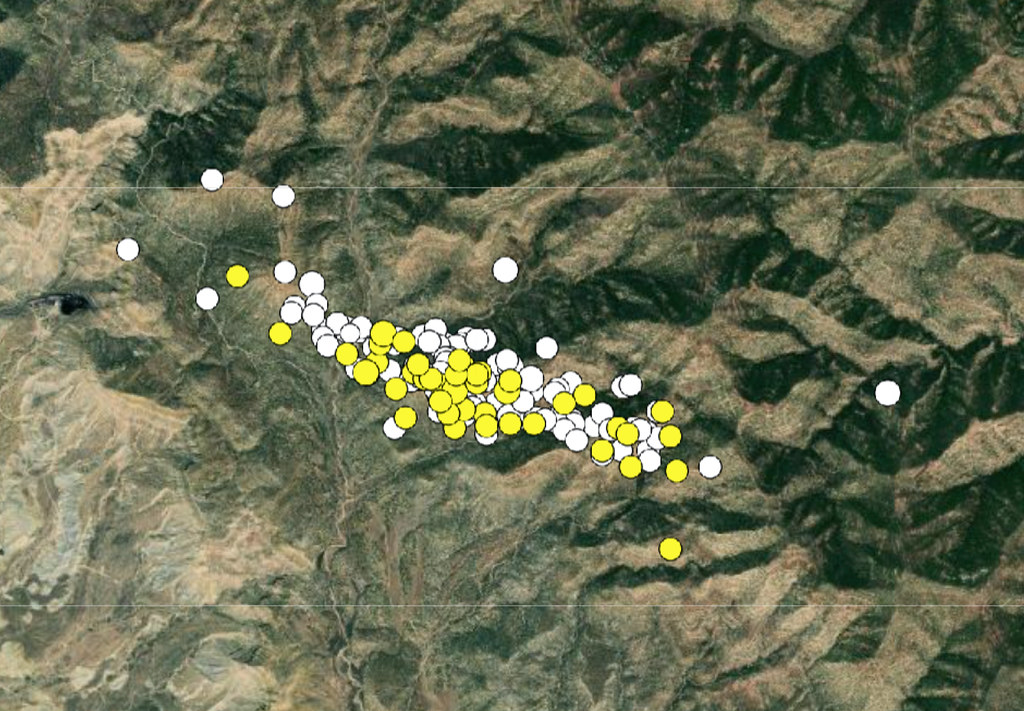
Utah Earthquake Highlights
On April 18, 2025, Utah experienced one of the most powerful earthquakes in its history. Measuring 7.3 on the Richter scale, the Utah earthquake shook the Wasatch Front, affecting major cities like Salt Lake City, Provo, and Ogden. The global community has been watching closely as rescue operations and assessments continue. This article delves into the extent of the damage, which countries are involved in control and support, and highlights the aftermath and ongoing efforts.
Earthquake Overview
- Date: April 18, 2025
- Time: 02:43 AM (local time)
- Magnitude: 7.3 Richter Scale
- Epicenter: Near Magna, Utah (approximately 10 miles west of Salt Lake City)
- Depth: 10 kilometers
This earthquake came without much warning and caused massive structural damage across urban and rural zones. Despite Utah’s preparedness for seismic activity, this event tested the state’s infrastructure and emergency response capacity.
Damage Assessment (Percentage Breakdown)
As of April 29, 2025, the preliminary data indicates:
- Residential Infrastructure Damage: ~40%
- Commercial Property Damage: ~25%
- Public Infrastructure (roads, bridges, power lines): ~30%
- Healthcare & Educational Institutions Affected: ~15%
- Casualties & Injuries:
- Deaths: 264 confirmed
- Injured: Over 2,300
- Displacement: ~120,000 residents temporarily relocated
- Economic Loss Estimated: USD 14.8 billion

Before and After: Global Involvement & Support
Before the earthquake, Utah had been closely collaborating with FEMA (Federal Emergency Management Agency), USGS (U.S. Geological Survey), and regional emergency preparedness networks. However, due to the scale of this disaster, international aid and control efforts were activated almost immediately.
Which Countries Stepped In?
- United States (Primary Control):
- National Guard deployment
- FEMA coordinated logistics
- Emergency relief shelters set up across Salt Lake County
- US Army Corps of Engineers is inspecting the dam and road stability
- Canada:
- Sent Urban Search & Rescue Teams
- Provided field hospitals and trauma experts
- Germany:
- Offered drone-based damage analysis tech
- Supplied heavy machinery for debris removal
- Japan:
- Sent seismic safety consultants
- Provided high-tech portable shelters
- United Kingdom:
- Sent disaster psychologists and engineers
- UN Office for Disaster Risk Reduction (UNDRR):
- Coordinating international aid logistics
Highlights of the Aftermath
1. Salt Lake City International Airport Closure
The airport suspended operations for 48 hours due to runway fractures. Now partially functional, it only allows humanitarian and military flights.
2. Collapsed Interstate 15 Section
A major portion of I-15 between Salt Lake City and Sandy collapsed, causing major transportation delays.
3. Mormon Temple Damage
The Salt Lake Temple, a historic landmark, suffered structural damage. Restoration experts from Italy and France are advising on repairs.
4. Power Outages and Water Shortages
Over 1.1 million residents faced power outages within the first 24 hours. Water supplies were disrupted due to broken main pipelines.
5. Social Media Response
The hashtag #PrayForUtah trended worldwide, with celebrities and influencers raising funds for relief efforts.
🔧 Current Control and Restoration Measures
🔹 Controlled by:
- FEMA, in coordination with Utah Emergency Management
- U.S. Department of Defense supporting infrastructure repair
- USGS monitoring aftershocks
- International Red Cross manages displaced populations
🔹 Restoration Timeline:
- Phase 1 (Immediate Relief): 2 weeks – rescue & basic shelter
- Phase 2 (Damage Assessment): 3-4 weeks – structural inspection
- Phase 3 (Infrastructure Repair): Estimated 6-12 months
- Phase 4 (Full Recovery): 12-24 months
Seismic Background of Utah
Utah lies along the Intermountain Seismic Belt, which makes it vulnerable to earthquakes. The last significant quake occurred in 2020, with a magnitude of 5.7. Scientists had long predicted the “big one” to hit within 50 years — and now, the 2025 quake has confirmed these fears.
How People Are Coping
- Community groups have come together to deliver food, medicine, and clothing.
- Online fundraisers have raised over USD 28 million as of this writing.
- Local churches and schools have been converted into temporary shelters.
Safety Tips for Residents
- Stay away from damaged buildings.
- Use only bottled or boiled water until supply lines are cleared.
- Follow updates from FEMA and local government channels.
- Keep emergency kits ready for potential aftershocks.
Final Words
The Utah Earthquake of 2025 stands as one of the most devastating natural disasters in U.S. history in the last two decades. With the joint efforts of the United States and several international allies, the road to recovery has begun. The damage is significant, but so is the resilience of Utah’s people. The coming months will be critical, but with global support and strong local leadership, a full recovery is within reach.
FAQs About the Utah Earthquake
Q1: Was this earthquake expected?
A: Yes, geologists had warned about a major quake along the Wasatch Fault, though not the exact timing.
Q2: Can more aftershocks occur?
A: Yes, aftershocks ranging from 3.5 to 5.0 are still expected for the next few weeks.
Q3: How to donate or help?
A: Visit official FEMA and Red Cross pages or donate through trusted platforms like GoFundMe and GlobalGiving.